Residential mental health care is the kind of care families turn to when something has crossed beyond what weekly outpatient therapy can hold — severe depression, treatment-resistant anxiety, the period after a psychiatric hospitalization, trauma that hasn’t responded to processing, or a substance use pattern complicating a primary mental health diagnosis. Our program was built for that moment, and our clinical team’s work is the residential treatment itself. Below you’ll find the conditions we treat, the modalities we deliver, and what coming here actually looks like.




Our music therapy program gives residents an expressive outlet that purely verbal therapy doesn’t reach — particularly valuable in trauma recovery, mood work, and supportive group programming alongside our evidence-based clinical protocols.
Yoga is built into our daily residential schedule as part of the structured movement and mindfulness practice that supports anxiety, depression, and trauma work — not as a standalone treatment, but as part of the whole-person framework that strengthens the clinical care.
Structured movement and personal training are part of our residential program because physical health and mental health move together. Rebuilding daily activity, sleep, and physical engagement supports the broader recovery work alongside our evidence-based clinical treatment.
About half of adults with a serious mental illness also meet criteria for a substance use disorder. We treat both conditions concurrently in our residential program — the evidence-based standard for co-occurring care.
Sacramento Mental Health is a residential mental health program. We treat adults whose mental health diagnosis is complicated by an active substance use pattern. We do not provide detox or standalone substance use treatment — adults requiring medical detox are connected to a partnering detox provider before admission.
Every adult who enters our residential program begins with a comprehensive clinical assessment — psychiatric history, medication review, co-occurring conditions, treatment history, and the specific clinical picture that has brought you here. Our Clinical Director builds your treatment plan around what that assessment reveals, with medical oversight from our Medical Director. The evidence-based modalities — CBT, DBT, ERP, trauma-focused therapy, medication management — are combined and sequenced for your specific situation, not delivered from a template.

Our residential program treats adults across the full mental health diagnostic spectrum — mood disorders, anxiety disorders, OCD, PTSD, schizophrenia spectrum disorders, personality disorders, and co-occurring conditions. We are a Cal DSS-licensed residential mental health and stabilization program, not an acute psychiatric hospital, and we treat adults whose condition has crossed beyond what outpatient care can hold.
Every adult works directly with an assigned clinician and case manager throughout the residential stay, with the treatment plan built from the comprehensive assessment and adjusted as the clinical picture evolves.
Choosing where to admit yourself or a family member for residential mental health treatment is one of the most consequential clinical decisions in the recovery process. Our Roseville program was built around what serious mental health treatment actually requires — clinicians trained in the evidence-based modalities, a structured residential environment that supports the daily work, and integrated care for the depression, anxiety, substance use, and trauma that so often complicate the primary diagnosis. We admit and treat directly. We don’t refer the clinical work to someone else, and we don’t promise outcomes — but we deliver the treatment that gives families a real chance at recovery.

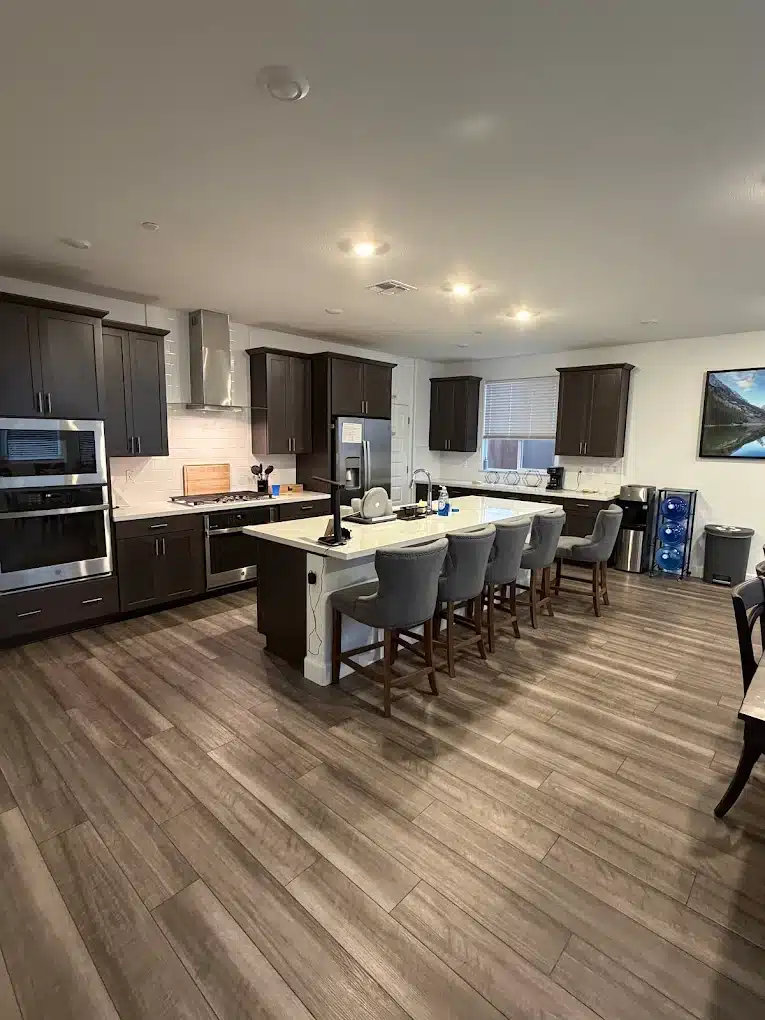
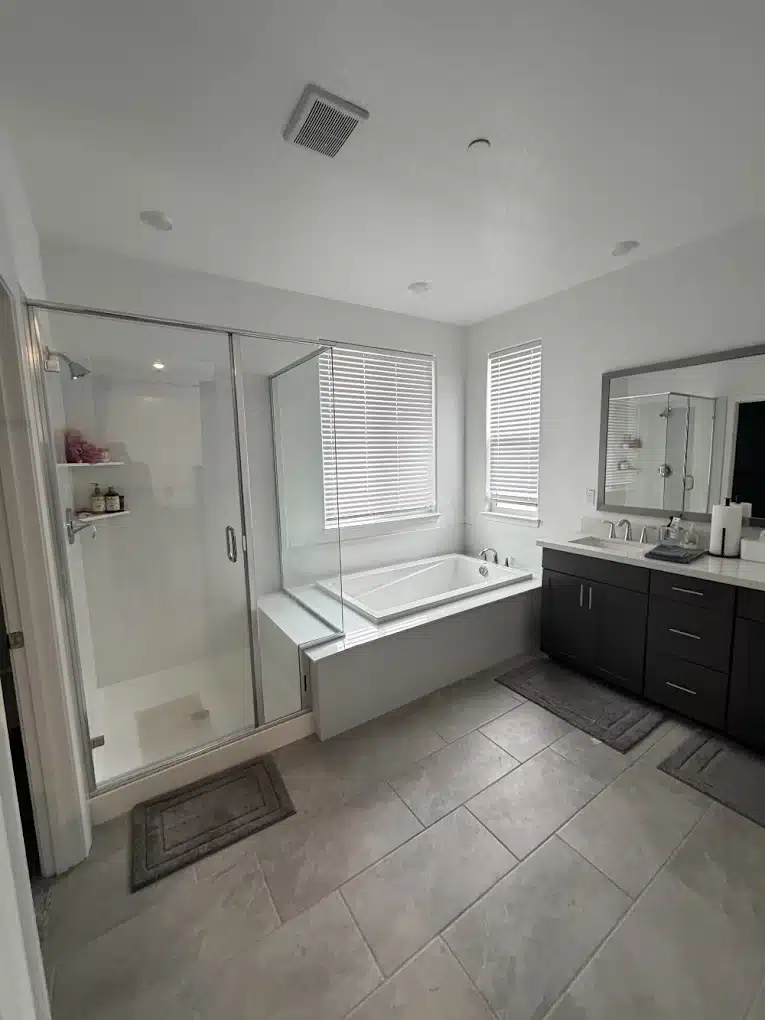
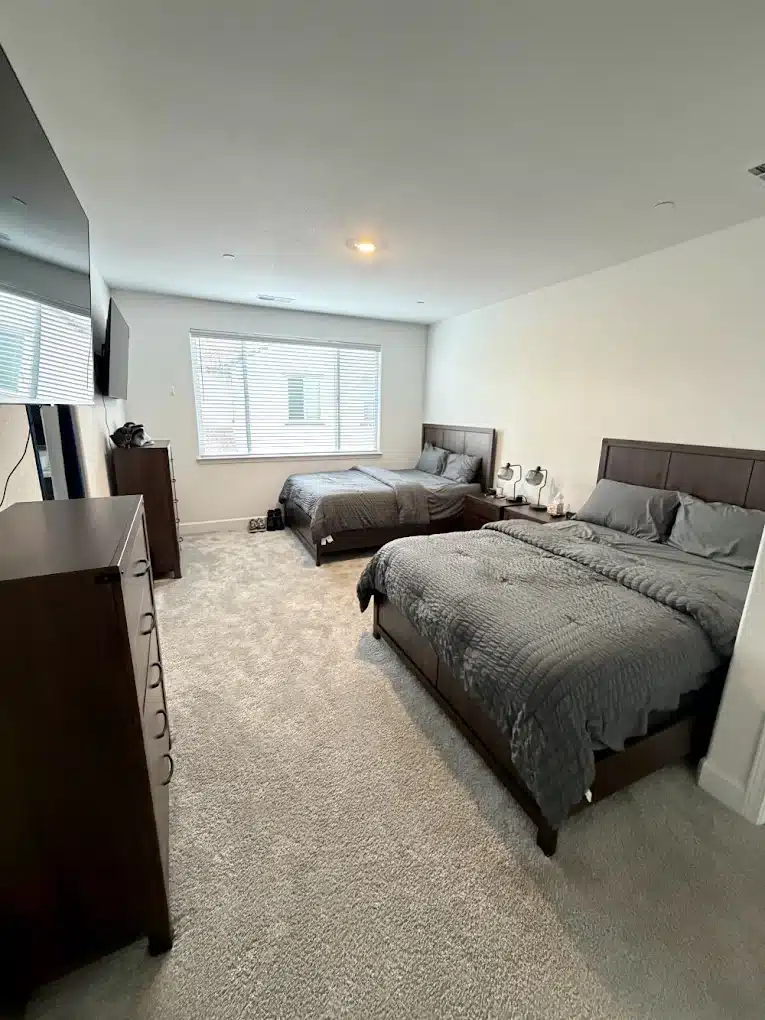
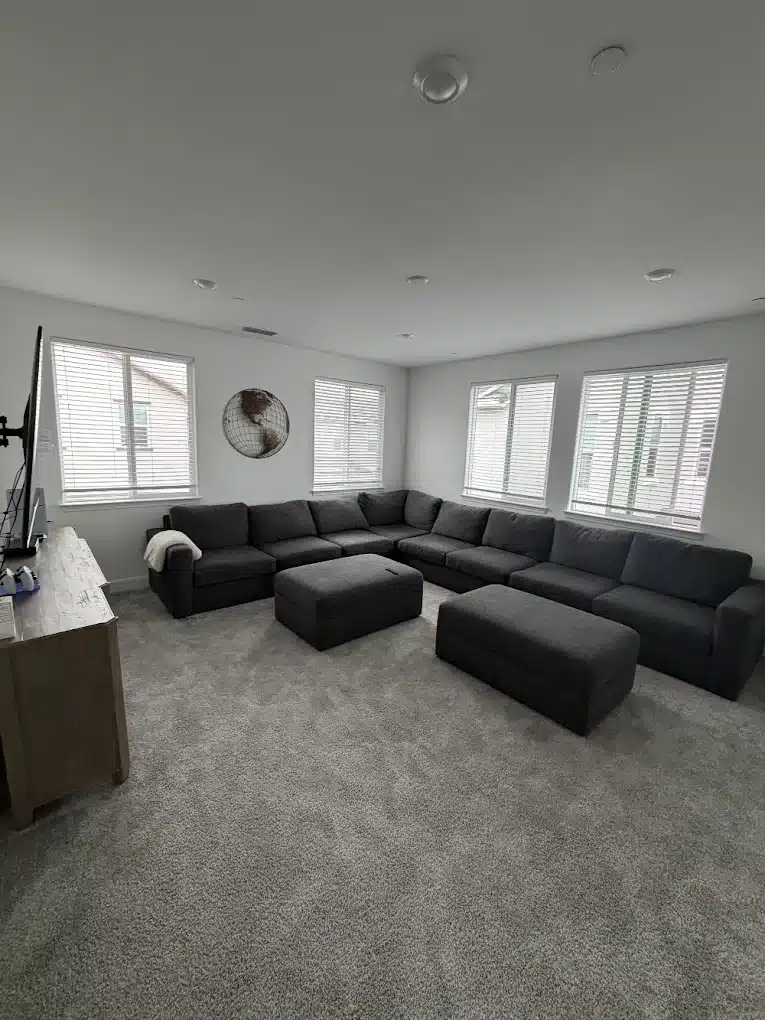
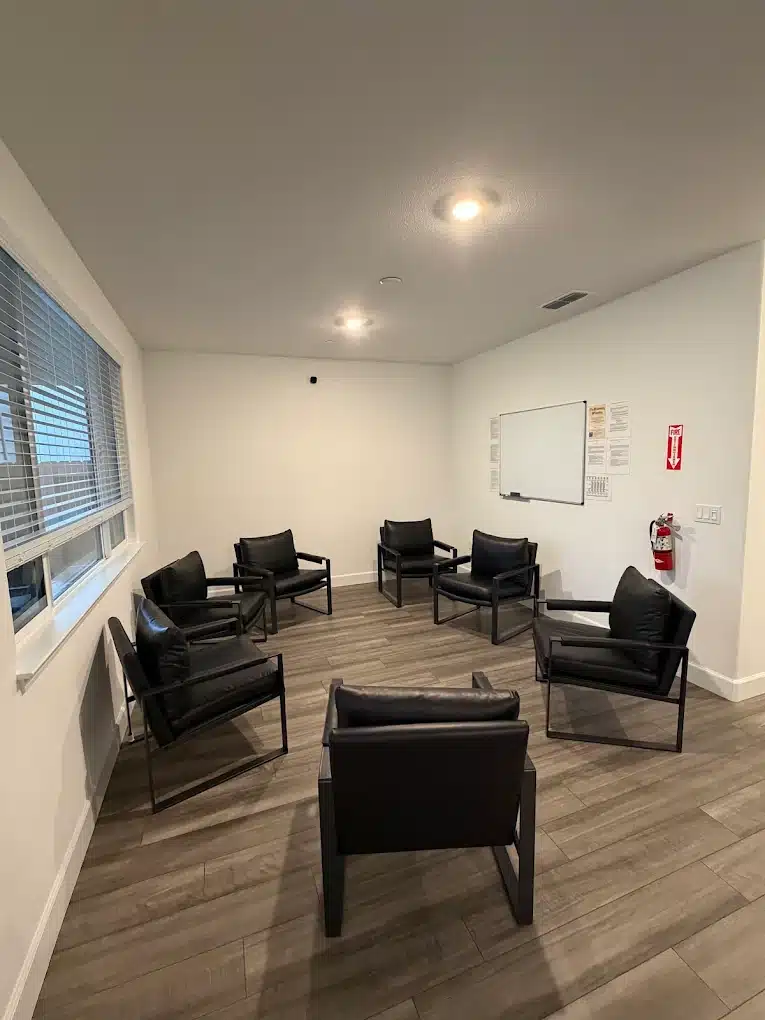
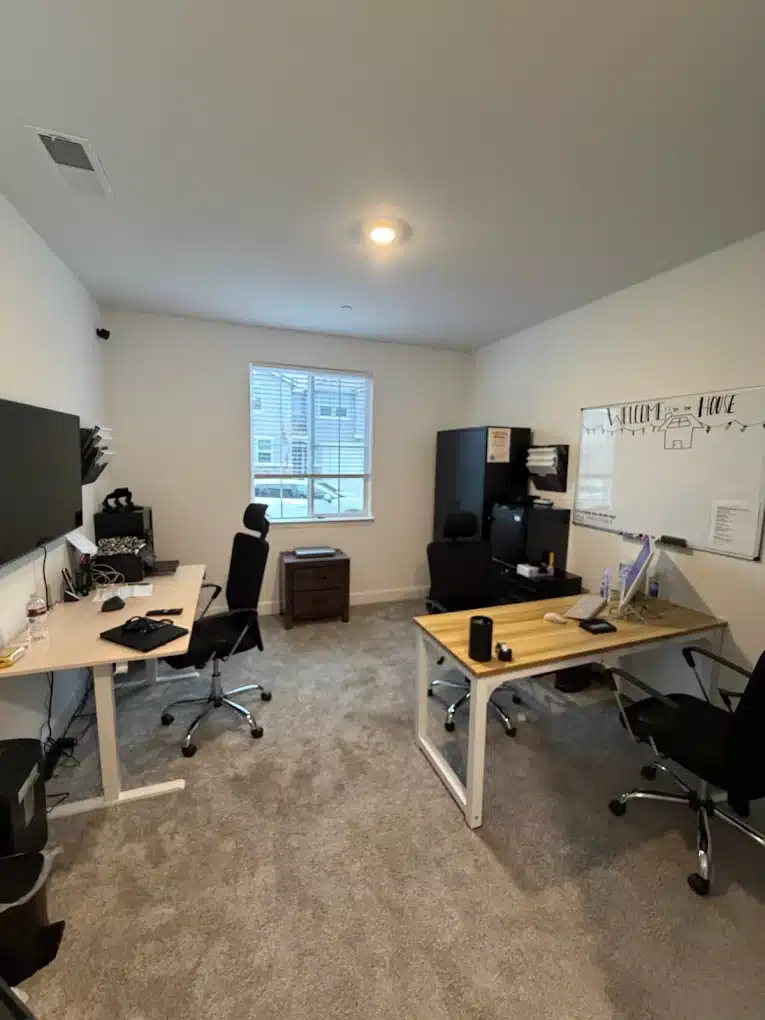
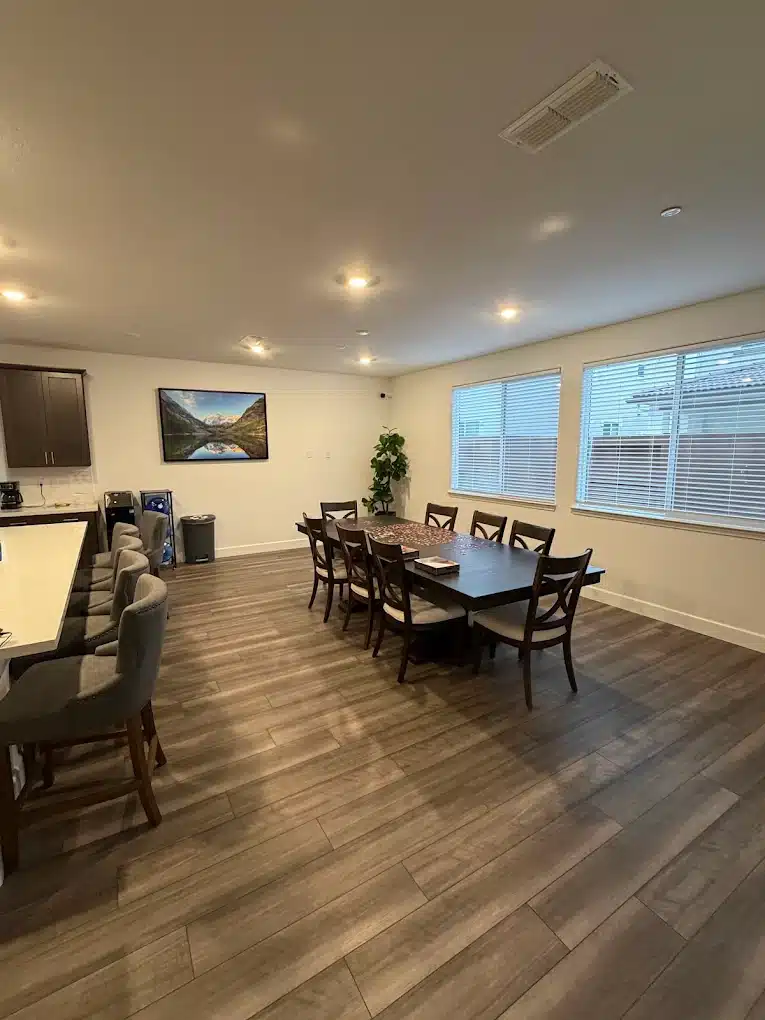
Where treatment happens shapes how it feels. Sacramento Mental Health is a 6-bed residential facility in Roseville, California — a quiet residential street rather than a clinical campus, with private bedrooms, shared common spaces, and dedicated therapy and wellness rooms designed to feel like home. See it in person before you decide.
Sacramento Mental Health (legal name: Mental Health Treatment and Stabilization Center of Sacramento) is a dually-licensed (California Department of Social Services + California Department of Health Care Services) residential mental health and stabilization program for adults. Our 6-bed facility is located in Roseville, California, and serves Greater Sacramento and Placer County. We admit and treat directly — no referral chain, no waitlist for someone else to call back.
We treat adults age 18 and older whose mental health condition has crossed beyond what outpatient therapy and medication management can effectively address. The program is licensed to serve adults and elderly clients. We do not treat adolescents or minors. The most common reasons people enter our program are severe depression, treatment-resistant anxiety, OCD, PTSD or complex trauma, bipolar disorder, schizophrenia spectrum stabilization, borderline personality disorder, and co-occurring substance use alongside a primary mental health diagnosis.
About 30 days of structured residential care, followed by a coordinated step-down to outpatient or virtual support through another organization. The residential window is intentional: long enough to interrupt entrenched patterns and establish treatment foundations, short enough to keep recovery integrated with the rest of someone’s life. The residential stay is the inflection point, not the end of treatment — sustainable recovery typically continues through outpatient care for months or years afterward.
Inpatient psychiatric hospitalization is acute, short-term care for adults in active psychiatric crisis — typically 3 to 10 days, focused on safety stabilization. Residential treatment is longer (around 30 days), happens after acute crisis has resolved, and focuses on the deeper clinical work: structured therapy, medication optimization, integrated dual-diagnosis treatment, and the daily rhythm that supports recovery. Sacramento Mental Health is a residential program — not an acute psychiatric hospital. Adults in active crisis are connected to appropriate acute inpatient facilities first, and we provide the structured step-down after.
We treat the full adult mental health diagnostic spectrum: major depressive disorder and treatment-resistant depression, bipolar I and II disorder, OCD (including intrusive-thoughts presentations), PTSD and complex trauma, anxiety disorders, schizophrenia and schizoaffective disorder (stabilized adults in step-down phases), personality disorders (particularly BPD), and co-occurring conditions. Adult ADHD and autism spectrum disorder are addressed when they’re complicating a primary mental health diagnosis. We do not provide primary eating disorder treatment or standalone substance use treatment — see our scope page for the full list of what we treat and what we don’t.
We treat substance use only as co-occurring with a primary mental health diagnosis — the evidence-based “integrated dual-diagnosis” approach. We do not provide medical detoxification or standalone substance use treatment. Adults who require medical detox first are connected to a partnering detox provider before admission, and then enter our residential program for the integrated work on both the mental health condition and the substance use pattern.
A short conversation with our admissions team. We’ll talk through what you or your loved one is experiencing, whether residential care is the right fit, what coverage and payment look like in your situation, and what admission to our Roseville facility would involve. The call typically takes 15 to 20 minutes. There’s no commitment, no pressure, and the conversation is confidential. The admissions line is staffed 24/7 at (916) 527-9606.
Yes — we hold two state licenses. California Department of Social Services Social Rehabilitation Facility License #315920208 (issued June 12, 2025) covers facility operations and resident care. California Department of Health Care Services Social Rehabilitation Program Certification #MHBT250543 covers our designation as a Transitional Residential Treatment Program. Both licenses are subject to ongoing state oversight, inspection, and renewal. Our clinical team is led by named, credentialed professionals — Clinical Director Bonnie Mitchell, DBH, LPCC and Medical Director Sanjai Thankachen, MD — disclosed publicly on our team page.
Psychiatric hospitalization is acute, short-term care for adults in active crisis — typically 3 to 10 days focused on safety stabilization. Our residential program is longer (around 30 days), happens after acute crisis has resolved, and focuses on the deeper clinical work: structured therapy, medication optimization, integrated dual-diagnosis treatment, and the daily rhythm that supports recovery.
We’re a residential mental health facility, not an inpatient psychiatric hospital. Adults in active psychiatric crisis are connected to appropriate acute inpatient facilities first, and we provide the structured step-down after — the residential care that sits between hospitalization and outpatient life.
A short conversation with our admissions team is the fastest way to know whether residential mental health treatment at Sacramento Mental Health is the right next step — for you or someone you love. We’ll cover what you’re experiencing, whether residential is the right fit, coverage, and what admission actually looks like. No commitment, no pressure.