Home | Evidence-Based Treatment Modalities | Psychotherapy
Psychotherapy is the umbrella term for evidence-based talk therapy approaches used to treat mental health conditions — including Cognitive Behavioral Therapy, Dialectical Behavior Therapy, Acceptance and Commitment Therapy, Exposure and Response Prevention, Trauma-Focused Therapies, and many others. Each specific psychotherapy has its own evidence base and indications. At our Cal DSS-licensed residential program in Roseville, our clinical team delivers the specific evidence-based psychotherapy matched to each adult’s diagnosis and presentation, integrated with medication management and the broader treatment program. We admit and treat directly.


Psychotherapy as a clinical discipline encompasses dozens of distinct therapeutic approaches developed over more than a century, with widely varying evidence bases, theoretical foundations, and clinical applications. The major evidence-based psychotherapies in modern mental health treatment include Cognitive Behavioral Therapy (the most extensively researched), Dialectical Behavior Therapy (developed specifically for Borderline Personality Disorder), Acceptance and Commitment Therapy, Exposure and Response Prevention (the gold standard for OCD), Cognitive Processing Therapy and Prolonged Exposure (gold standards for PTSD), Eye Movement Desensitization and Reprocessing, Accelerated Resolution Therapy, Motivational Interviewing (for substance use), and humanistic and integrative approaches.
What makes choosing the right psychotherapy clinically distinctive is the importance of matching the approach to the diagnosis and presentation. Generic talk therapy without a specific evidence-based protocol often underperforms — particularly for OCD (where ERP is needed rather than discussion), PTSD (where trauma-focused approaches are needed), and BPD (where DBT-informed work is needed). The diagnostic assessment and treatment planning are what determine which specific psychotherapy or combination of approaches will produce the strongest clinical result.
This page provides an overview of psychotherapy as a category. For details on the specific evidence-based approaches we deliver, see the dedicated pages linked below.
Our residential program delivers a range of evidence-based psychotherapies matched to each adult’s diagnosis and presentation. Each specific approach has its own page with detailed information about how it works, what conditions it treats, and how we deliver it in our residential setting.
The most extensively researched psychotherapy across mental health diagnoses. First-line or first-line-combined for depression, anxiety disorders, OCD (in the ERP-specific form), PTSD (in the CPT-specific form), bipolar disorder (adapted), substance use disorders (CBT-SUD), and schizophrenia (CBTp). Learn about CBT at Sacramento Mental Health.
The gold-standard treatment for Borderline Personality Disorder and a core therapy for adults whose mental health condition includes intense emotional dysregulation, self-harm, or chronic instability in relationships. Learn about DBT at Sacramento Mental Health.
The evidence-based first-line treatment for Obsessive-Compulsive Disorder and a core component of treatment for many anxiety disorders. Learn about ERP at Sacramento Mental Health.
Prolonged Exposure, Cognitive Processing Therapy, EMDR-aligned approaches, and Accelerated Resolution Therapy — the gold-standard treatments for PTSD per APA and VA/DOD clinical practice guidelines. Learn about trauma-focused therapy at Sacramento Mental Health.
Third-wave behavioral therapy that builds psychological flexibility through cognitive defusion, acceptance, and values-driven action. Strong evidence for depression, anxiety, chronic pain, and OCD. Learn about ACT at Sacramento Mental Health.
The gold-standard evidence-based approach for engaging adults with substance use disorders and addressing ambivalence about change. Learn about MI at Sacramento Mental Health.
Our clinical team delivers the specific evidence-based psychotherapy matched to each adult’s diagnosis and presentation, with the choice and combination of approaches guided by the comprehensive assessment. The work is integrated with medication management and the broader residential program. Every treatment plan is built and led by our Clinical Director, with medical oversight from our Medical Director.
Effective psychotherapy depends on matching the approach to the diagnosis, the clinical training of the therapist in the specific protocol, the therapeutic alliance between therapist and client, and the integration with any necessary medication treatment. For severe presentations of most conditions, the combination of evidence-based psychotherapy with appropriate medication outperforms either alone. The structure of the therapy — frequency of sessions, duration of treatment, and integration with the broader treatment context — also substantially affects outcome.
Outpatient psychotherapy — typically one session per week — works for many adults with moderate severity. For severe presentations of most conditions, residential psychotherapy changes the math. Daily individual sessions. Real-time integration with group programming and skill practice. Coordination between psychotherapy and medication management in a single setting. The immersive intensity that severe presentations require.
The diagnostic assessment determines which specific evidence-based psychotherapy or combination of approaches is the right fit. OCD requires ERP, not generic talk therapy. PTSD requires trauma-focused approaches. BPD with chronic suicidality requires DBT-informed work. Severe depression often benefits from CBT or Behavioral Activation combined with medication. The matching of approach to diagnosis is the clinical work that the comprehensive assessment supports.
Outpatient psychotherapy works for many adults with mental health conditions. Residential psychotherapy becomes the right next step when severity has crossed into territory weekly sessions can’t reach.
Choosing where to admit yourself or a family member for residential psychotherapy is a consequential clinical decision because the quality of the psychotherapy delivery substantially shapes outcome. The right program needs clinicians trained in the specific evidence-based protocols, the willingness to match approach to diagnosis rather than applying one therapy uniformly, integration with medication management, and the residential structure that supports daily psychotherapy work. Here is what makes our Roseville program the right fit for adults needing intensive psychotherapy across Greater Sacramento and Placer County.
Our clinical team is trained across the major evidence-based psychotherapies — CBT, DBT, ACT, ERP, trauma-focused therapies, Motivational Interviewing — so the right approach can be matched to the diagnosis rather than every adult receiving the same protocol.
Residential psychotherapy delivers daily individual sessions, integration with group programming, and the immersive intensity that severe presentations require. The structure produces depth of engagement that weekly outpatient sessions can’t reach.
For severe presentations, the combination of evidence-based psychotherapy and appropriate medication outperforms either alone. Our Clinical Director and Medical Director coordinate the psychotherapy and medication strategy.
We admit and treat adults directly at our Cal DSS-licensed residential facility. Families don’t have to navigate a referral chain or wait for someone else to call back. Cal DSS Facility License #315920208 reflects state-verified clinical, safety, and operational standards.
Most residential mental health programs in Northern California are clustered in Sacramento proper. Our Roseville location gives Placer County residents — Rocklin, Lincoln, Loomis, Auburn — a residential option without a long drive across the county line.
Where you are in this matters. Find the path that fits where you are right now.
A 15-minute call with our admissions team is the fastest way to get clarity. We’ll cover symptoms, fit, coverage, and timeline.
Many people start by sitting with the question of whether residential care is the right next step. A comprehensive clinical assessment is the most reliable way to find out — it maps the diagnostic picture, severity, any co-occurring conditions, and the level of care that actually fits.
Bringing residential treatment into a family conversation is hard. Start by meeting the clinical team who would actually treat your loved one, and seeing how admissions handles family involvement.
EXCELLENT Based on 4 reviews Posted on Google Raven âTrustindex verifies that the original source of the review is Google. I had a great time at MHC SAC! i was able to come off the streets and learn to live like a real person again. The staff really pushed me every day to do better. I think they believed in me more than I believe in myself. They helped me feel at home, but kept me just enough out of my comfort zone to keep improving. Shout out to Sharon and Noelle for being great mentors and always helping me get closer to my needs and goals.Posted on Google Justin RTrustindex verifies that the original source of the review is Google. I sent my family member to mental health treatment and stabilization center of San Diego. They have been to multiple facilities in Sacramento and Southern California inthe past. The team and facility was exactly what my family member needed. He was there for 43 days and then transferred to an outpatient. This was the best mental health treatment facility me and my family have dealt with. Not only with stabilizing her psychosis and getting her on the right medications. Then finding an aftercare facility that fit her needs in the area she was looking for. I would highly recommend this facility for those that need help.Posted on Google Errl LTrustindex verifies that the original source of the review is Google. I had a friend who was going through a crisis and referred them to this facility. Even though they were reluctant, the staff there (Keith and Noel) made the process great. They were communicative and welcoming and the facility was very nice. My friend told me he is waking up for the first time in the mornings with hope instead dreading the day. Highly recommend to anyone needing mental health treatment and was convenient they were in Roseville because we couldn’t find any other facilities for Placer County.
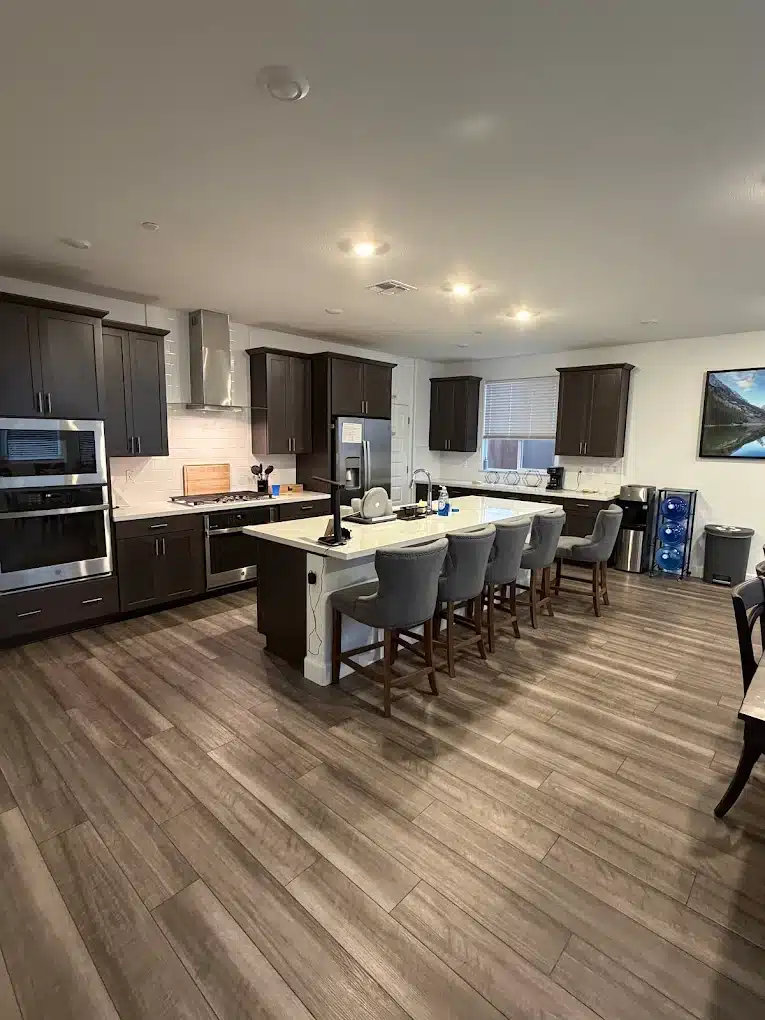
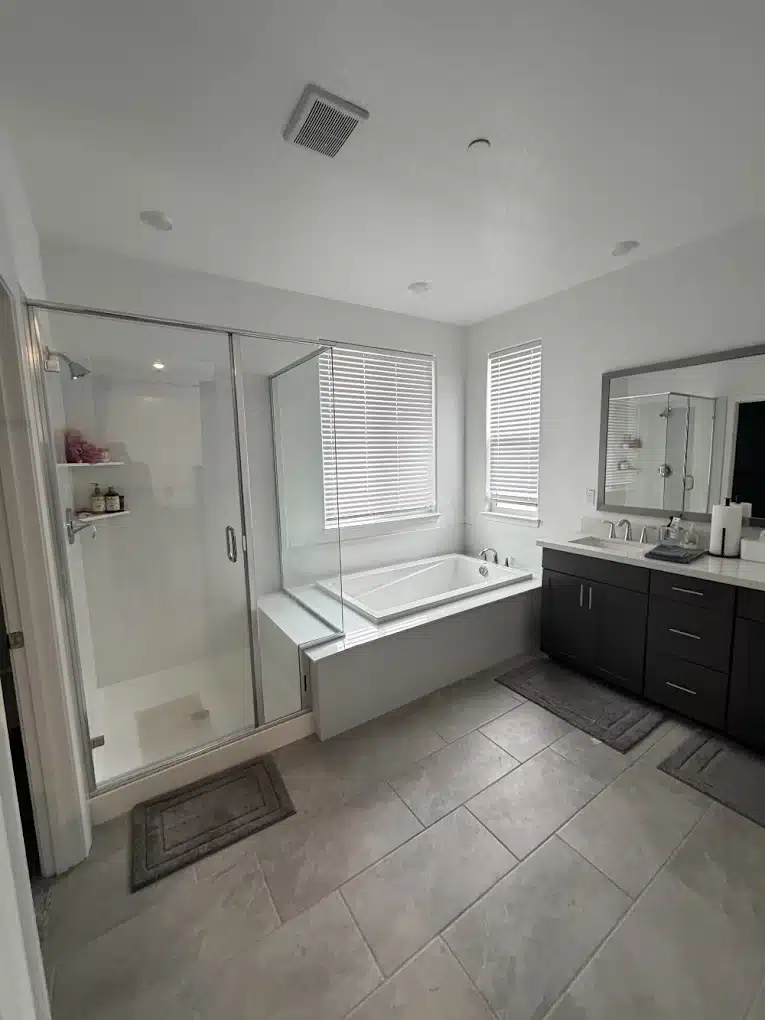
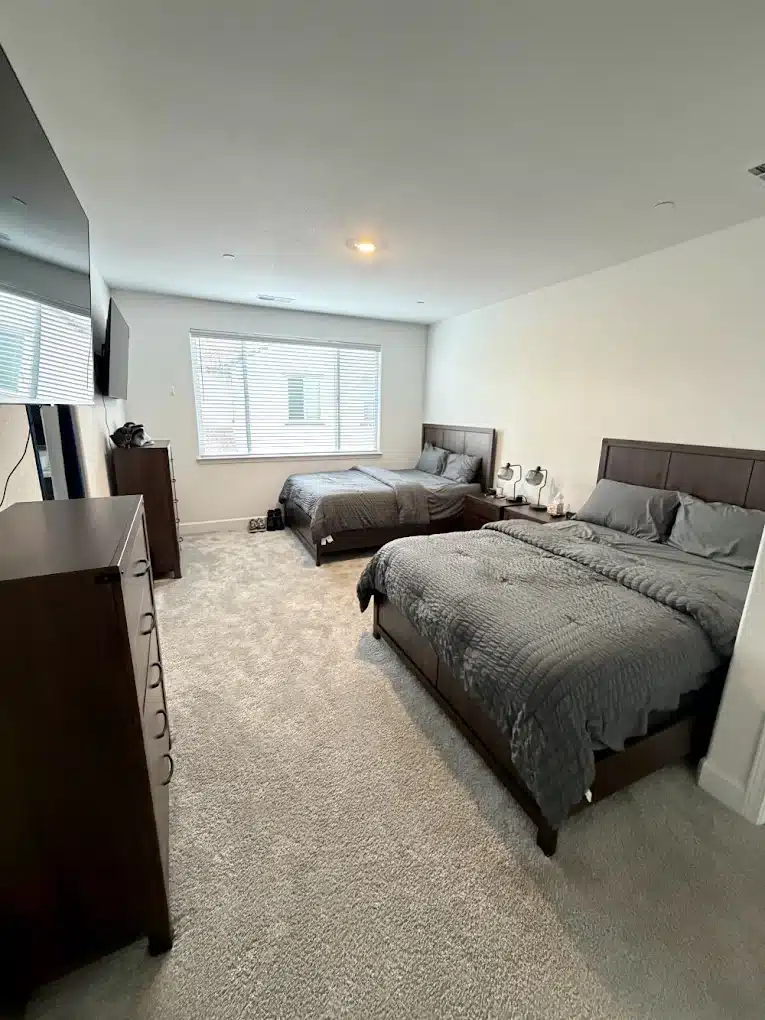
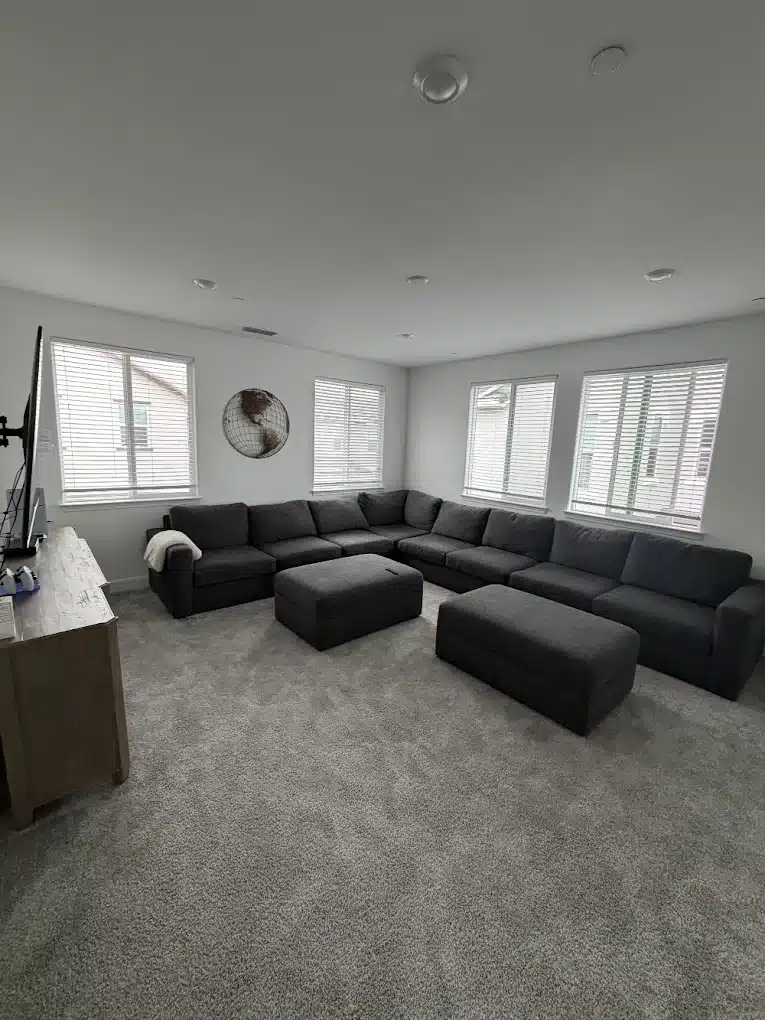
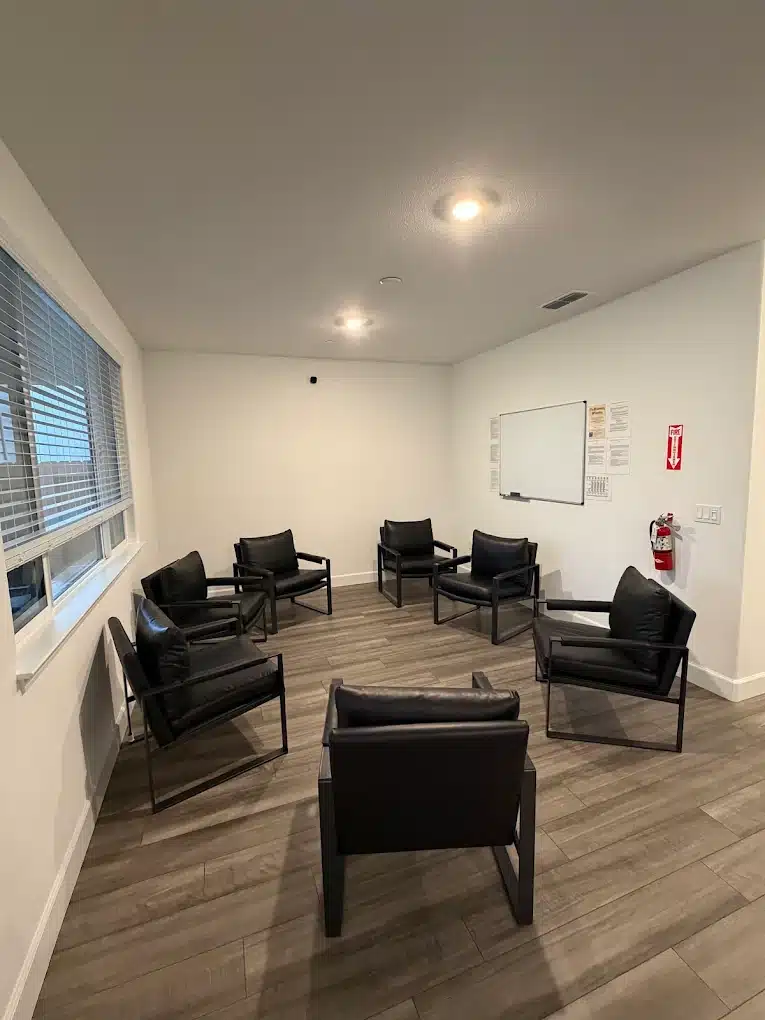
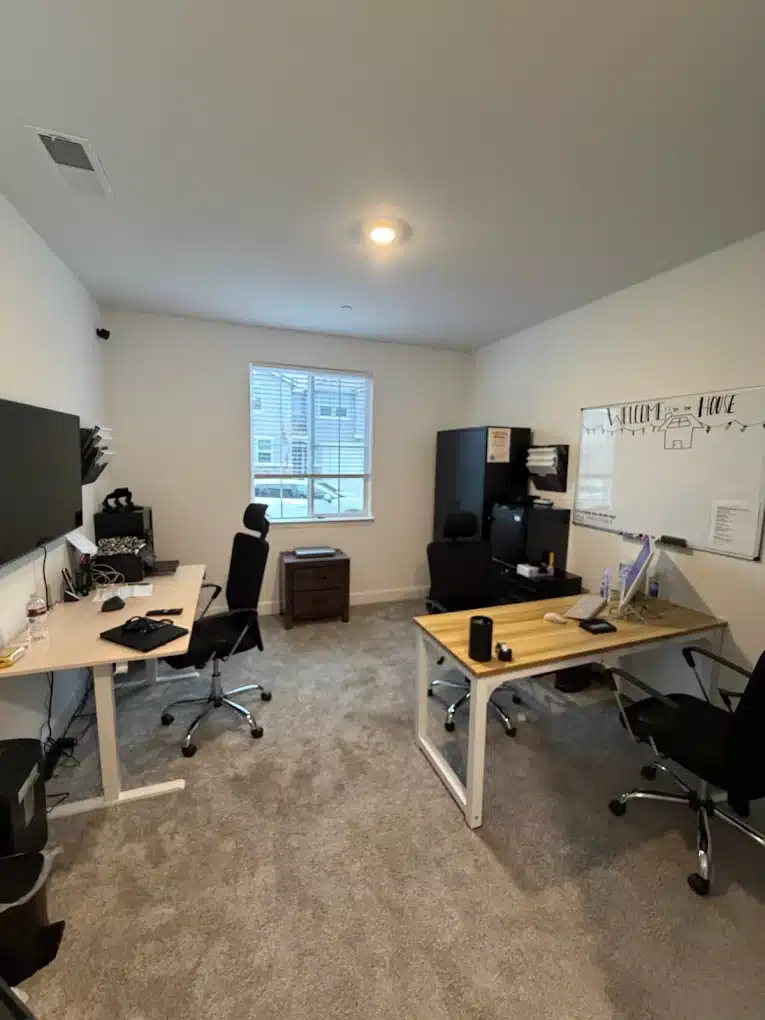
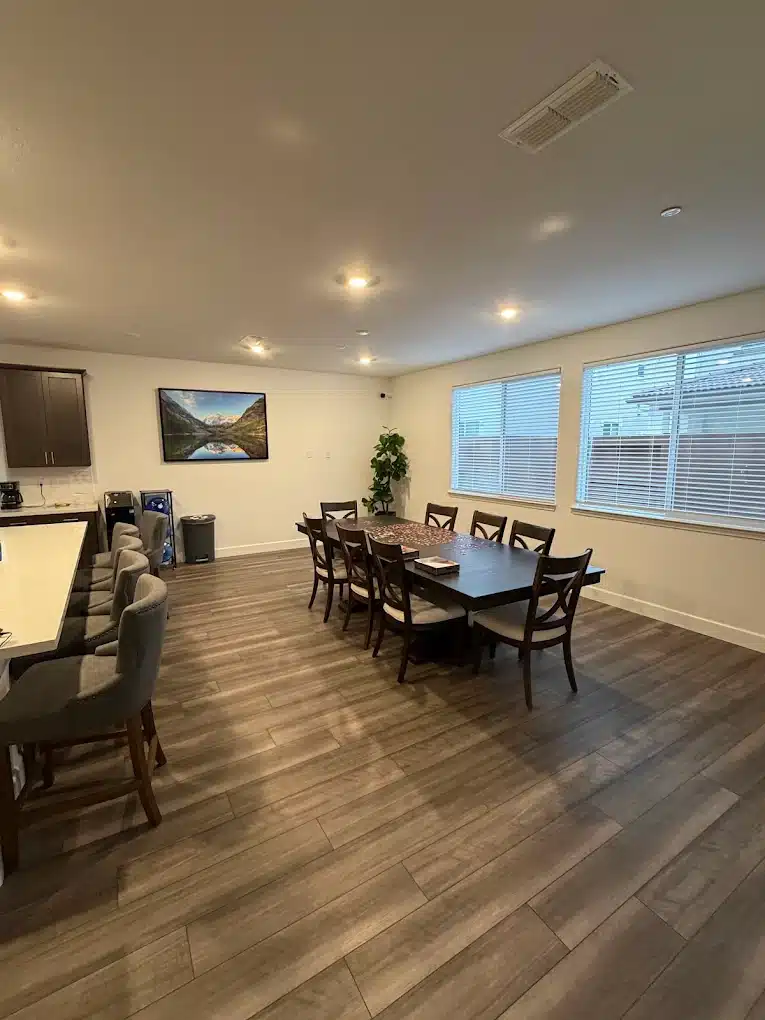
The work described on this page happens in a real place. Our 6-bed residential facility in Roseville is built around the principle that residential mental health treatment should feel residential — not institutional. Tour the spaces where the daily clinical work, group programming, and wellness practices actually take place.
If a mental health condition has crossed beyond what weekly outpatient psychotherapy can hold, residential treatment with intensive evidence-based psychotherapy is the next step worth considering. Call (916) 527-9606 to talk with our admissions team about a clinical assessment, coverage, and what residential care at our Roseville facility would look like for you or your loved one.
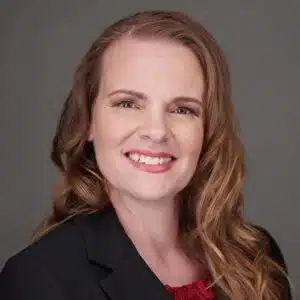
Dr. Bonnie Mitchell is a behavioral health leader, clinician, and advocate dedicated to expanding access to compassionate, evidence-based mental health and substance use treatment. She earned her Doctor of Behavioral Health degree from Arizona State University in 2018, holds a Master’s degree in Clinical Counseling for Mental Health, and a Bachelor’s degree in Psychology. She is a Licensed Professional Clinical Counselor in California. Throughout her career, Dr. Mitchell has served in executive and clinical leadership roles including Executive Director, Regional Clinical Director, and C-suite behavioral health executive.