Our clinical team treats adults with ASD and co-occurring mental health conditions using evidence-based therapies adapted to the autism profile — Cognitive Behavioral Therapy modified for ASD, sensory-aware structuring of the daily environment, and integrated treatment for the primary co-occurring condition (depression, anxiety, OCD, substance use). The exact mix depends on what the comprehensive assessment reveals about the ASD presentation, the primary mental health condition, and any sensory or cognitive considerations. Every treatment plan is built and led by our Clinical Director, with medical oversight from our Medical Director.
Evidence-Based Treatment Adapted for ASD
The evidence-based treatments for the conditions that bring adults with ASD into residential care — CBT for depression and anxiety, OCD-focused ERP, integrated dual-diagnosis treatment — can be adapted to the autism profile in ways that significantly improve outcomes. Concrete language, explicit structure, longer processing time, sensory-aware environment, and recognition of social camouflaging patterns all shape how the treatment is delivered. Medication management considers ASD-specific side-effect sensitivity.
Why Residential Treatment Works When ASD Is Complicating Other Conditions
Standalone adult ASD is typically managed outpatient through autism-specialist services. Residential treatment makes sense when ASD is complicating a co-occurring mental health condition that has crossed into residential severity — depression, anxiety, OCD, substance use disorder. The residential setting allows simultaneous treatment of the primary condition with diagnostic recognition and treatment adaptation for the underlying ASD, addressing the dynamic the two create together.
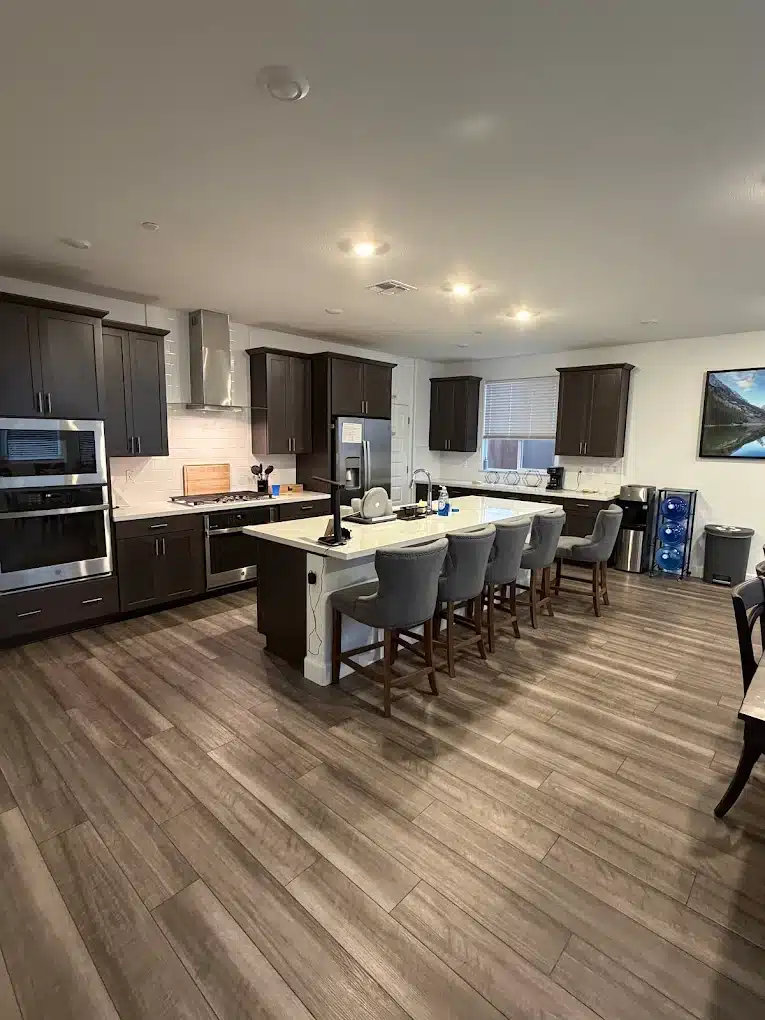
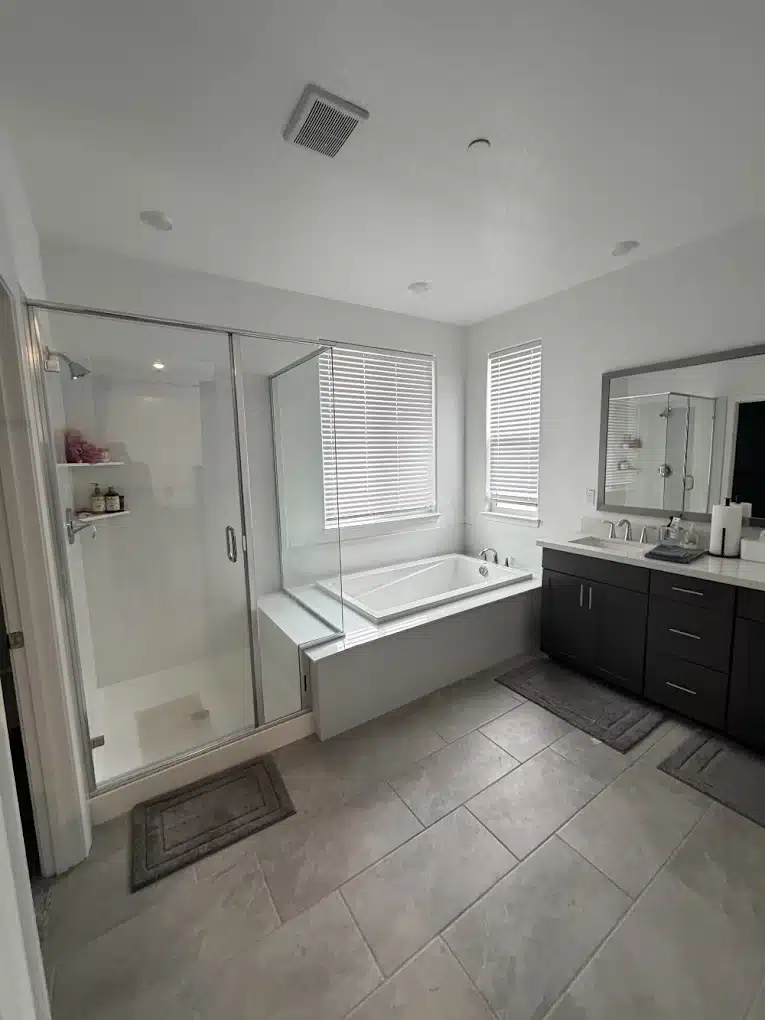
Our Residential Structure
Sacramento Mental Health provides around 30 days of structured residential care, followed by a coordinated step-down to outpatient psychiatry, therapy, and autism-specialist services as appropriate. For adults with ASD specifically, the residential window provides diagnostic clarity if not previously established, treats the co-occurring primary mental health condition with ASD-adapted approaches, and equips the individual with skills and structure for continued outpatient care.
When Residential ASD-Inclusive Treatment Is Right
Adult ASD on its own is typically not a residential indication. Residential treatment becomes the right step when ASD is complicating a primary co-occurring mental health condition that has crossed into residential severity.
- ASD complicating treatment of severe depression, anxiety, OCD, or PTSD
- Autistic burnout presenting as treatment-resistant depression
- Active substance use that may be self-medication for ASD-related drivers
- Recent crisis or acute episode where ASD shapes the clinical picture
- Diagnostic suspicion of undiagnosed ASD affecting treatment response
- Treatment-resistant mental health pattern with sensory or cognitive features warranting ASD evaluation
What to Expect — Your First 30 Days
A typical residential stay at Sacramento Mental Health unfolds in phases. The schedule adapts to each person, but the structure is consistent — beginning with assessment and stabilization, moving through diagnostic clarity and treatment of both the ASD-related considerations and the primary co-occurring condition, and ending with discharge planning.
Day 1 — Comprehensive assessment and intake. Clinical evaluation, psychiatric history, developmental history, sensory profile mapping, medication review, and a treatment plan tailored to the specific presentation and primary co-occurring condition.
Days 1-3 — Stabilization and orientation. Settling into the residential environment with attention to sensory and structural needs, initial medication evaluation, meeting the clinical team, and beginning structured daily programming.
Week 1 — Diagnostic and foundation work. ASD assessment if not previously established, psychoeducation, and beginning ASD-adapted therapy work on the primary co-occurring condition.
Weeks 2-3 — Integrated treatment. Sustained ASD-adapted therapy on the co-occurring condition, integration of sensory and structural adaptations, and continued medication management.
Week 4 — Step-down planning and transition. Coordinating outpatient mental health treatment and autism-specialist services with appropriate organizations, equipping the individual and family with a plan for continued care.