Home | Mental Health Disorders | Adult ADHD Treatment
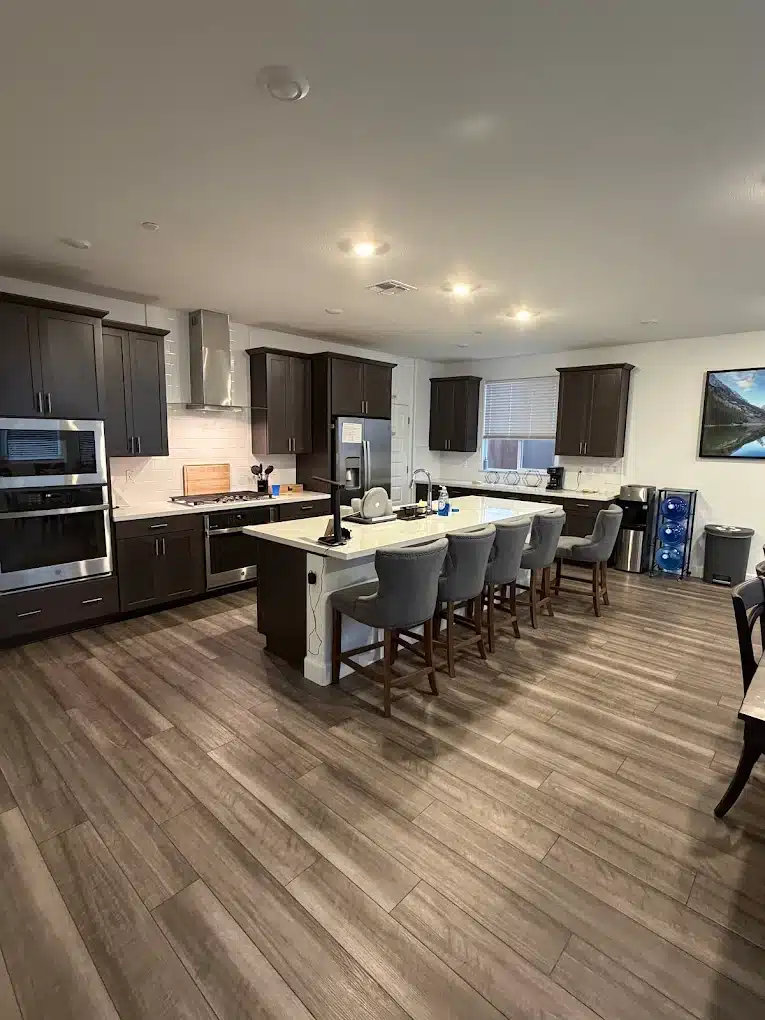
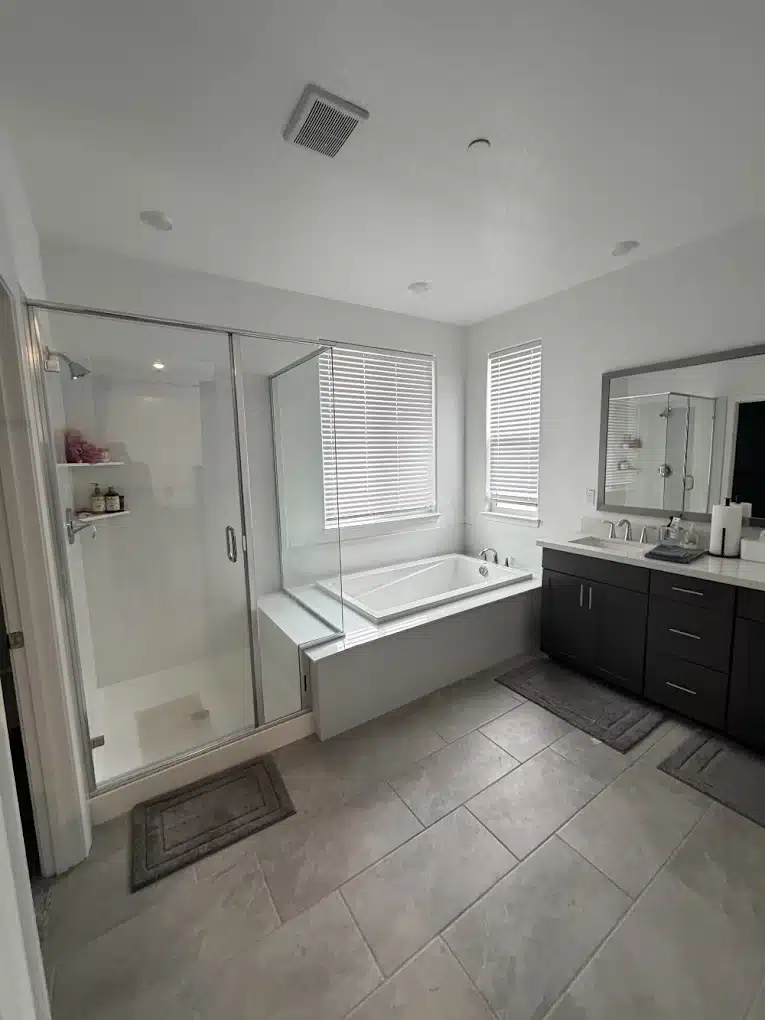
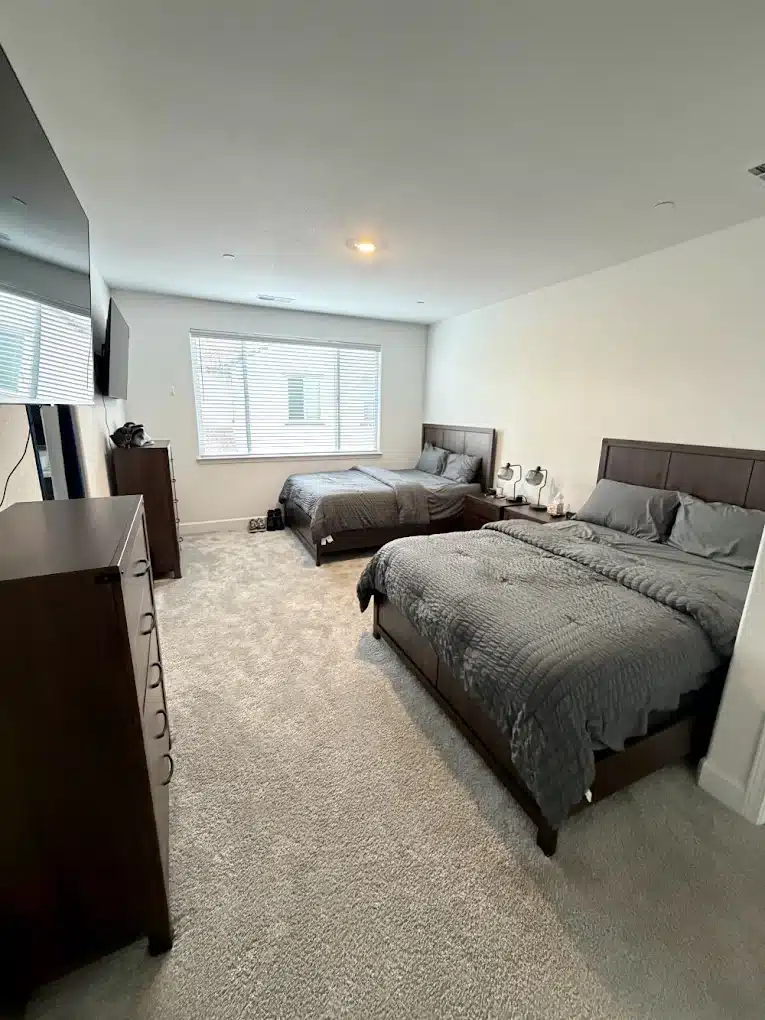
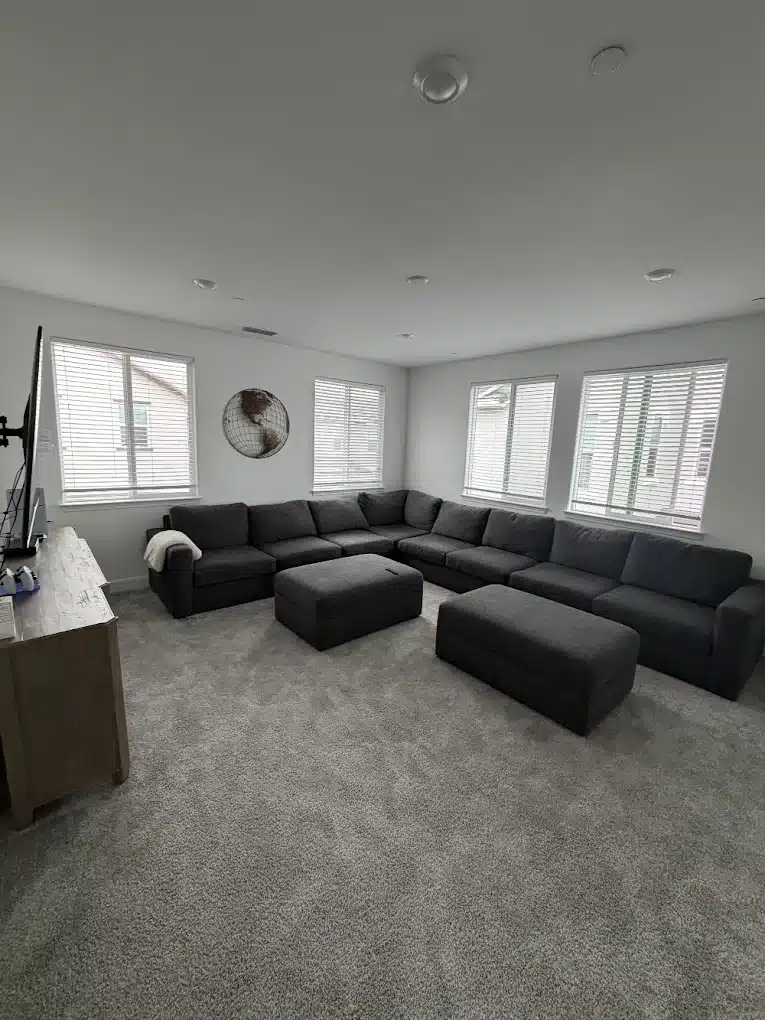
Adult Attention-Deficit/Hyperactivity Disorder (ADHD) is a neurodevelopmental condition that begins in childhood and continues into adulthood, characterized by persistent patterns of inattention, hyperactivity, and impulsivity that interfere with functioning. In adults, ADHD often drives or complicates other mental health conditions — substance use, depression, anxiety, and mood instability — and the diagnostic clarity itself is frequently the first step toward effective treatment. At our Cal DSS-licensed residential program in Roseville, our clinical team treats adults across Greater Sacramento and Placer County whose ADHD is complicating treatment of a co-occurring mental health condition. We admit and treat directly.
Adult ADHD affects roughly 4-5% of U.S. adults, though it remains significantly underdiagnosed — many adults reach midlife without ever being diagnosed despite lifelong symptoms. ADHD in adulthood looks different than in childhood: the hyperactivity often presents as internal restlessness rather than overt physical activity, the inattention shows up as chronic disorganization and incomplete projects, and the impulsivity surfaces as financial decisions, relationship choices, and risk-taking patterns. The condition is neurodevelopmental — it has been present since childhood — but it often goes unrecognized until adult demands exceed the compensatory strategies the person has developed.
What makes adult ADHD distinctive in a residential mental health context is the way it drives or complicates other mental health conditions. Untreated ADHD is associated with significantly higher rates of substance use disorders, mood disorders, and anxiety. Stimulant misuse often turns out to be undiagnosed ADHD self-medicating. Major depressive episodes often have an underlying ADHD layer that wasn’t addressed. The diagnostic work — recognizing the ADHD that has been there all along — frequently changes the clinical trajectory of the co-occurring condition.
Sacramento Mental Health is a residential mental health program. Adult ADHD as a standalone diagnosis is typically managed outpatient — through psychiatric medication management and ADHD-focused therapy. Adults whose ADHD is complicating a primary mental health condition that has crossed into residential severity are the population we treat.
Adult ADHD presents in distinct patterns and is rarely the primary reason for residential admission — but it shapes the clinical picture of many co-occurring conditions. Below are the adult ADHD presentations our residential program addresses and what integrated treatment for each looks like at Sacramento Mental Health. The right treatment plan depends on the ADHD presentation, the primary co-occurring condition, and the medication history — which the comprehensive assessment maps in the first days of admission.
The most common adult ADHD presentation — chronic difficulty with attention, organization, follow-through, and time management without significant overt hyperactivity. Often misdiagnosed as anxiety or depression because the cognitive symptoms overlap. Diagnostic clarity often changes the medication and treatment approach for the co-occurring mood or anxiety condition.
Adult ADHD with both inattentive and hyperactive-impulsive features. The hyperactivity often shows up as internal restlessness, impulsive decision-making, and difficulty regulating emotional responses. Co-occurring patterns are common — substance use to manage the restlessness, depression following chronic functional difficulty.
Adults receiving an ADHD diagnosis for the first time in midlife — often after a child receives the diagnosis and the parent recognizes lifelong symptoms in themselves. Late-diagnosed adult ADHD often comes with decades of accumulated mood, anxiety, and self-concept impact that the residential setting helps address alongside the diagnostic clarity itself.
Untreated ADHD is associated with significantly higher rates of substance use disorders — stimulants used to self-medicate the attention difficulty, alcohol used to manage the restlessness or sleep problems, cannabis used to slow down. Our integrated dual-diagnosis approach addresses both the ADHD and the substance use pattern concurrently.
ADHD complicates the treatment of depression, bipolar disorder, and anxiety disorders. Antidepressants sometimes worsen ADHD-related restlessness. Standard CBT may not work as expected when underlying ADHD is interfering with engagement. Recognizing and treating the ADHD alongside the primary mood or anxiety condition typically improves outcomes for both.
The clinical reality across many of our admissions with ADHD: years of compensatory strategies have finally broken down. Career impact, relationship strain, financial chaos, untreated co-occurring conditions — the ADHD has been there all along, but the consequences have accumulated to the point where outpatient care isn’t keeping up. The residential setting provides the structured environment to stabilize the co-occurring conditions while the ADHD is diagnosed and the treatment plan is built.
Our clinical team treats adult ADHD using evidence-based approaches — stimulant or non-stimulant medication where clinically appropriate, ADHD-focused CBT, and structured environmental and behavioral strategies — integrated with the treatment of the primary co-occurring mental health condition. The exact mix depends on what the comprehensive assessment reveals about the ADHD presentation, the primary mental health condition, and the medication history. Every treatment plan is built and led by our Clinical Director, with medical oversight from our Medical Director.
The evidence-based treatment for adult ADHD combines pharmacotherapy — stimulants (methylphenidate, amphetamine class) or non-stimulants (atomoxetine, guanfacine) — with ADHD-focused psychotherapy and environmental and behavioral strategies. Medication addresses the core neurobiological symptoms; therapy and behavioral work address the accumulated patterns, self-concept, and skill gaps that have built up over years of untreated ADHD. The combination produces stronger outcomes than either alone.
Standalone adult ADHD is typically managed outpatient. Residential treatment makes sense when ADHD is complicating a co-occurring mental health condition that has crossed into residential severity — depression, bipolar disorder, anxiety, substance use disorder. The residential setting allows simultaneous treatment of the primary condition with diagnostic work and treatment initiation for the underlying ADHD, addressing the dynamic the two conditions create together.
Sacramento Mental Health provides around 30 days of structured residential care, followed by a coordinated step-down to outpatient psychiatry and therapy. For ADHD specifically, the residential window provides diagnostic clarity, initiates medication if appropriate, treats the co-occurring primary mental health condition, and equips the individual with the skills and structure to manage the ADHD alongside continued outpatient care. ADHD is a lifelong condition — the residential stay is one intensive period within ongoing management.
Adult ADHD on its own is typically not a residential indication. Residential treatment becomes the right step when ADHD is complicating a primary co-occurring mental health condition that has crossed into residential severity, or when the cumulative impact of untreated ADHD has driven functional collapse alongside other clinical concerns.
A typical residential stay at Sacramento Mental Health unfolds in phases. The schedule adapts to each person, but the structure is consistent — beginning with assessment and stabilization, moving through diagnostic clarity and treatment of both the ADHD and the primary co-occurring condition, and ending with discharge planning that connects each person to outpatient psychiatry and therapy for the months ahead.
Day 1 — Comprehensive assessment and intake. Clinical evaluation, psychiatric history, developmental history, medication review, and a treatment plan tailored to the specific presentation and primary co-occurring condition.
Days 1-3 — Stabilization and orientation. Settling into the residential environment, initial medication evaluation, meeting the clinical team, and beginning structured daily programming.
Week 1 — Diagnostic work and foundation. ADHD assessment if not previously established, psychoeducation, building daily structure, and beginning therapy work on the primary co-occurring condition.
Weeks 2-3 — Integrated treatment. Sustained therapy on the co-occurring primary condition, ADHD medication initiation or optimization, and ADHD-focused skill work.
Week 4 — Step-down planning and transition. Coordinating outpatient psychiatry and therapy with another organization, equipping the individual and family with a plan for continued ADHD and co-occurring condition management after discharge.

Choosing where to admit yourself or a family member when ADHD is complicating a primary mental health condition is a consequential clinical decision. The right program needs more than environmental structure. It needs medical leadership that can do real ADHD diagnostic work — not just rule it out as a checkbox item — and the willingness to revisit medication strategy for the primary mental health condition when ADHD is in the picture. It needs the integrated framework to treat ADHD alongside the co-occurring depression, anxiety, substance use, or bipolar condition. Here is what makes our Roseville program the right fit for adults whose ADHD is complicating treatment across Greater Sacramento and Placer County.


Adult ADHD is significantly underdiagnosed, and recognizing it within a complicated clinical picture is the work that frequently changes the treatment trajectory. Our medical director leads the diagnostic work that opens the actual treatment path.
The reason ADHD often shows up in our residential program is because it’s complicating something else — depression, substance use, anxiety, bipolar disorder. Our integrated approach treats the ADHD alongside the primary condition rather than addressing them sequentially.
ADHD pharmacology interacts with depression, anxiety, and bipolar medications in ways that require careful management. Our medical director manages the combined medication picture rather than handing one off.
We admit and treat adults directly at our Cal DSS-licensed residential facility. Families don’t have to navigate a referral chain or wait for someone else to call back. Cal DSS Facility License #315920208 reflects state-verified clinical, safety, and operational standards.
Most residential mental health programs in Northern California are clustered in Sacramento proper. Our Roseville location gives Placer County residents — Rocklin, Lincoln, Loomis, Auburn — a residential option without a long drive across the county line.
Where you are in this matters. Find the path that fits where you are right now.
A 15-minute call with our admissions team is the fastest way to get clarity. We’ll cover symptoms, fit, coverage, and timeline.
Many people start by sitting with the question of whether residential care is the right next step. A comprehensive clinical assessment is the most reliable way to find out — it maps the diagnostic picture, severity, any co-occurring conditions, and the level of care that actually fits.
Bringing residential treatment into a family conversation is hard. Start by meeting the clinical team who would actually treat your loved one, and seeing how admissions handles family involvement.
EXCELLENT Based on 4 reviews Posted on Google Raven âTrustindex verifies that the original source of the review is Google. I had a great time at MHC SAC! i was able to come off the streets and learn to live like a real person again. The staff really pushed me every day to do better. I think they believed in me more than I believe in myself. They helped me feel at home, but kept me just enough out of my comfort zone to keep improving. Shout out to Sharon and Noelle for being great mentors and always helping me get closer to my needs and goals.Posted on Google Justin RTrustindex verifies that the original source of the review is Google. I sent my family member to mental health treatment and stabilization center of San Diego. They have been to multiple facilities in Sacramento and Southern California inthe past. The team and facility was exactly what my family member needed. He was there for 43 days and then transferred to an outpatient. This was the best mental health treatment facility me and my family have dealt with. Not only with stabilizing her psychosis and getting her on the right medications. Then finding an aftercare facility that fit her needs in the area she was looking for. I would highly recommend this facility for those that need help.Posted on Google Errl LTrustindex verifies that the original source of the review is Google. I had a friend who was going through a crisis and referred them to this facility. Even though they were reluctant, the staff there (Keith and Noel) made the process great. They were communicative and welcoming and the facility was very nice. My friend told me he is waking up for the first time in the mornings with hope instead dreading the day. Highly recommend to anyone needing mental health treatment and was convenient they were in Roseville because we couldn’t find any other facilities for Placer County.
If ADHD is complicating treatment of a mental health condition that has crossed beyond what outpatient care can hold, residential treatment is the next step worth considering. Call (916) 527-9606 to talk with our admissions team about a clinical assessment, coverage, and what residential care at our Roseville facility would look like for you or your loved one.
Dr. Bonnie Mitchell is a behavioral health leader, clinician, and advocate dedicated to expanding access to compassionate, evidence-based mental health and substance use treatment. She earned her Doctor of Behavioral Health degree from Arizona State University in 2018, holds a Master’s degree in Clinical Counseling for Mental Health, and a Bachelor’s degree in Psychology. She is a Licensed Professional Clinical Counselor in California. Throughout her career, Dr. Mitchell has served in executive and clinical leadership roles including Executive Director, Regional Clinical Director, and C-suite behavioral health executive.