Our clinical team treats personality disorders using evidence-based therapies with strong research support — Dialectical Behavior Therapy (DBT) and DBT-informed approaches as the foundation for BPD, with Schema Therapy and Mentalization-Based Therapy concepts integrated as indicated — combined with appropriate medication management for co-occurring conditions. The exact mix depends on what the comprehensive assessment reveals about the specific personality disorder, current clinical picture, and co-occurring conditions. Every treatment plan is built and led by our Clinical Director, with medical oversight from our Medical Director.
DBT — The Gold Standard for Borderline Personality Disorder
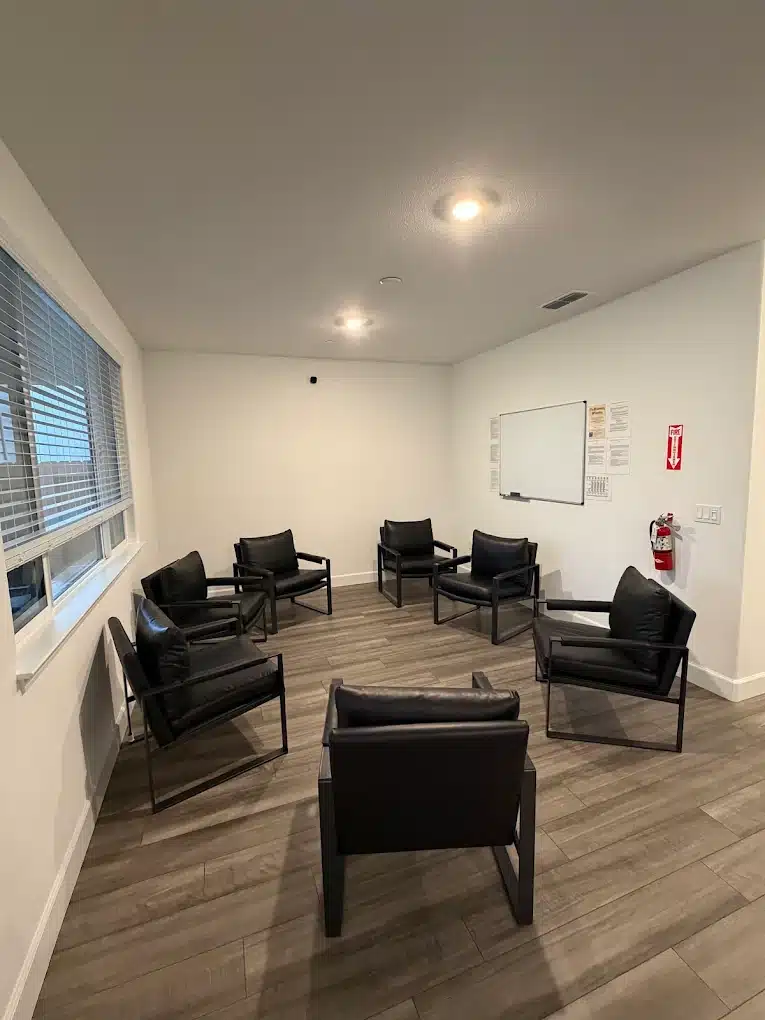
Dialectical Behavior Therapy is the most extensively researched and clinically effective treatment for Borderline Personality Disorder. DBT integrates four skill modules — mindfulness, distress tolerance, emotion regulation, and interpersonal effectiveness — with individual therapy, group skills training, and behavioral analysis of the patterns that drive self-harm, suicidality, and relationship instability. For severe BPD, DBT has been shown to significantly reduce suicidal behavior, hospitalization, and treatment dropout while improving functioning across multiple domains.
Why Residential Treatment Works for Severe Personality Disorder Presentations
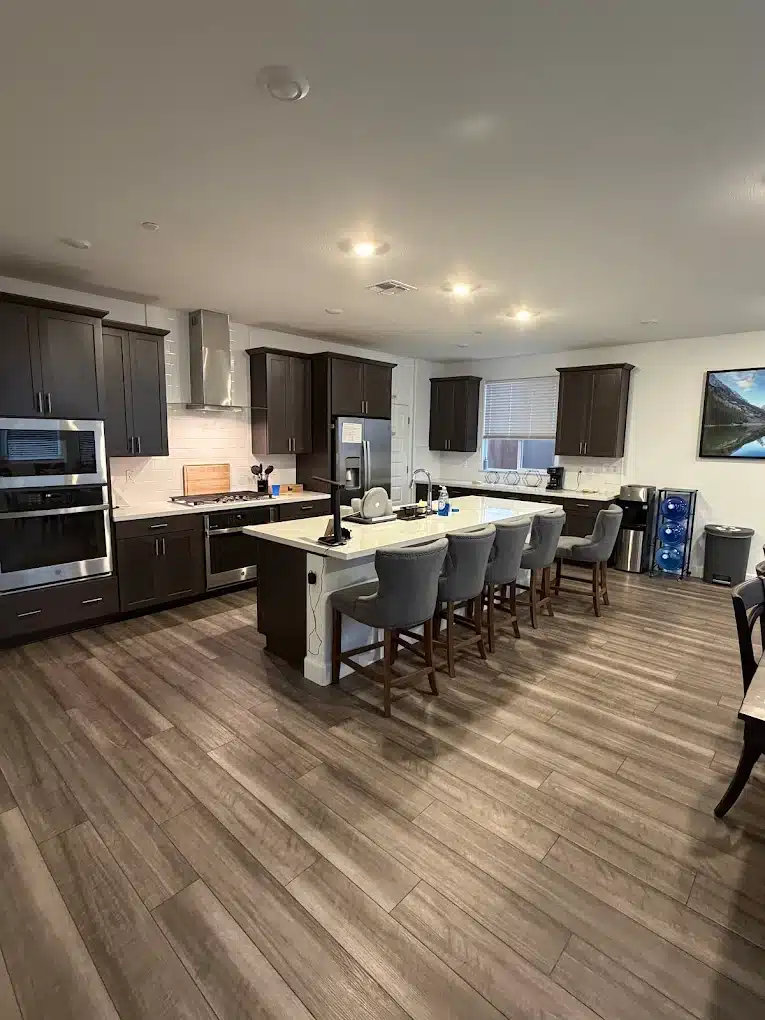
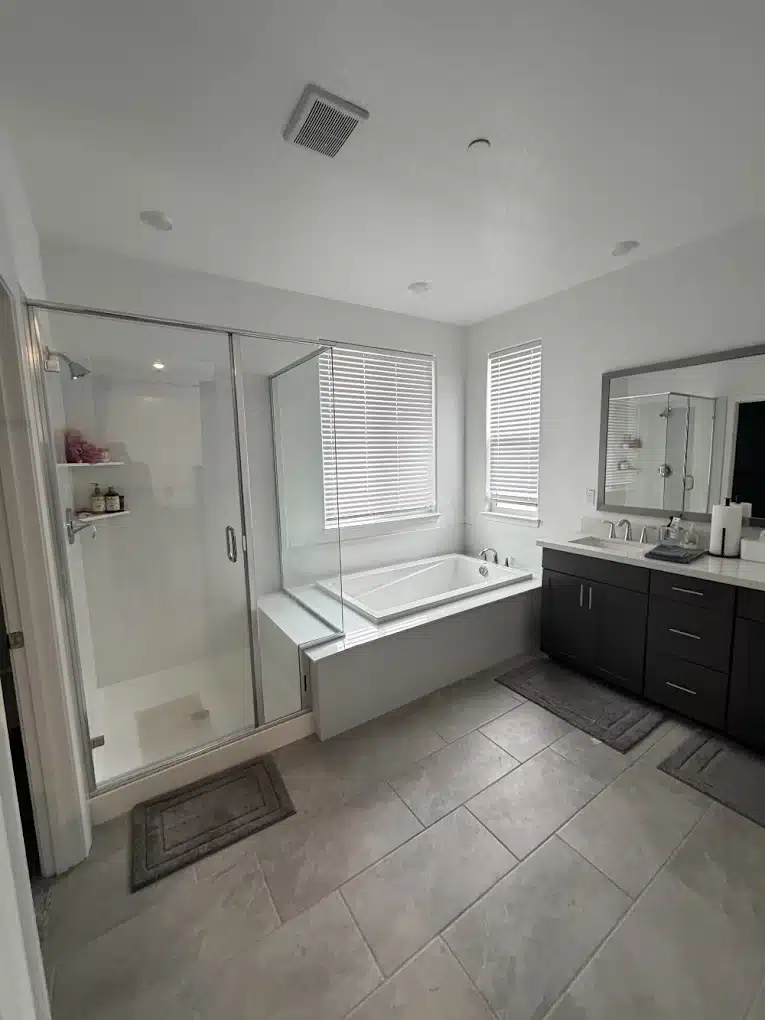
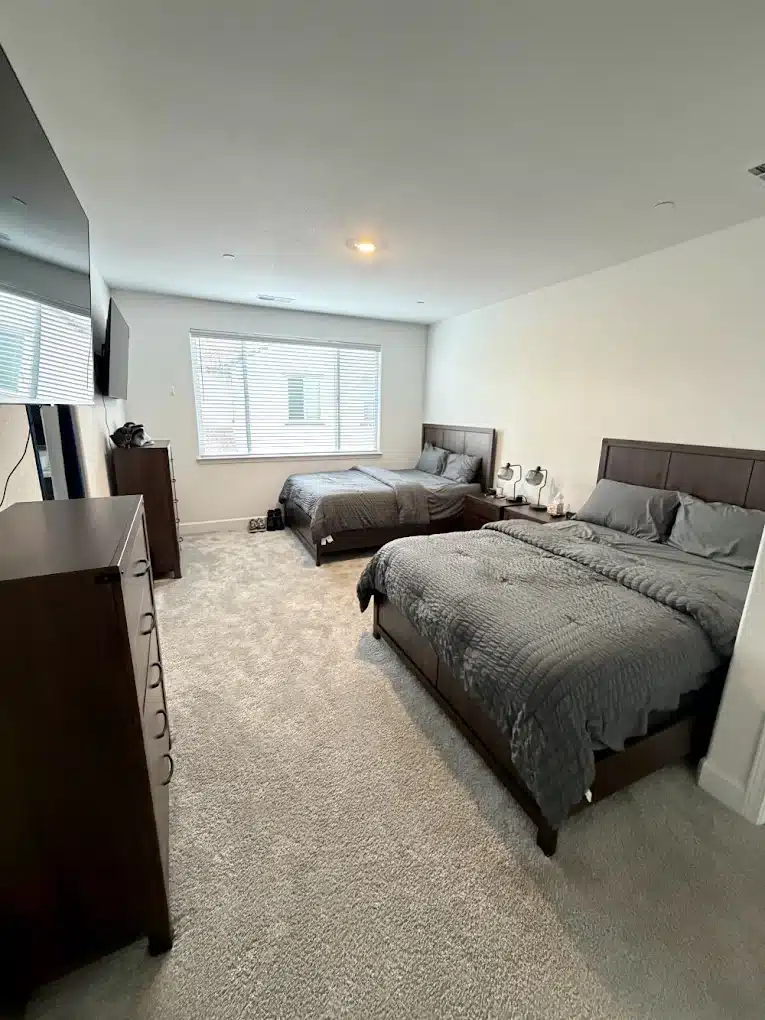
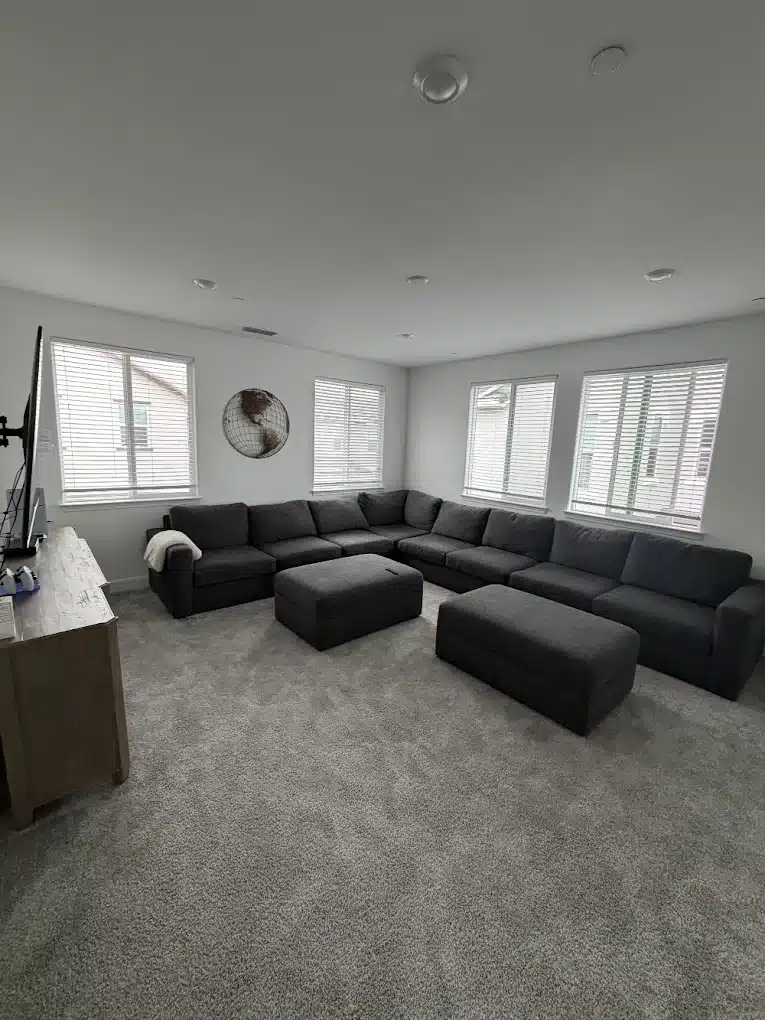
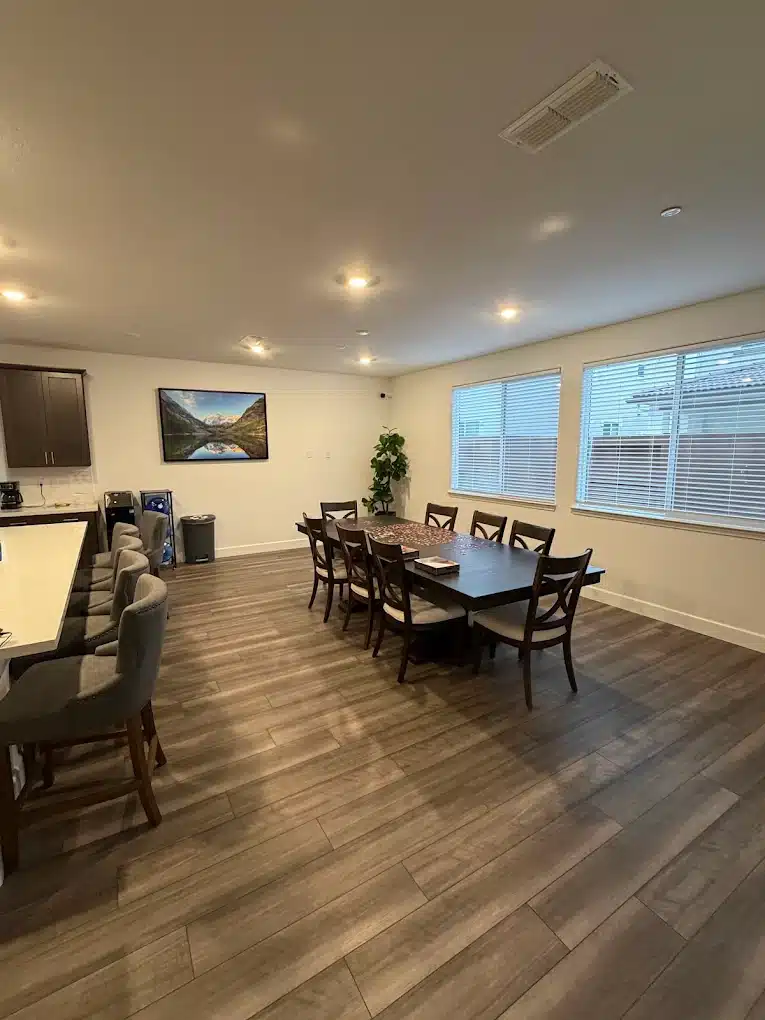
Outpatient DBT works for many adults with BPD — and we recommend it first when the clinical picture supports it. Residential treatment becomes the right step when severity has crossed into territory outpatient DBT can’t reach: active suicidality, severe self-harm, recent hospitalization, treatment-resistant patterns, or co-occurring conditions complicating outpatient response. Our residential program provides daily DBT skill practice, structured environment for the behavioral and skill work, safety during the highest-risk phase of treatment, and the immersive intensity that long-standing patterns require.
Our Residential Structure
Sacramento Mental Health provides around 30 days of structured residential care, followed by a coordinated step-down to outpatient DBT or comparable evidence-based treatment. For personality disorder treatment specifically, the residential window establishes the DBT skill foundation, interrupts active crisis patterns, and equips the individual with the tools and structure for the longer arc of outpatient personality disorder treatment that follows. The residential stay is the inflection point, not the end of treatment.
When Residential Personality Disorder Treatment Is Right for You
Outpatient DBT or comparable treatment works for many adults with BPD, and we recommend it first when the clinical picture supports it. Residential treatment becomes the right next step in specific clinical situations.
- Active suicidality, recent suicide attempt, or significant self-harm patterns
- Recent psychiatric hospitalization needing structured step-down
- Outpatient DBT has not produced adequate stabilization
- Co-occurring substance use, severe depression, or PTSD complicating treatment
- Relationship or family system crisis requiring temporary structured separation
- Personality disorder features complicating treatment of a primary mental health condition
What to Expect — Your First 30 Days
A typical residential stay at Sacramento Mental Health unfolds in phases. The schedule adapts to each person, but the structure is consistent — beginning with assessment and stabilization, moving through intensive DBT skill work and integrated therapy, and ending with discharge planning that connects each person to outpatient DBT or comparable evidence-based treatment.
Day 1 — Comprehensive assessment and intake. Clinical evaluation, psychiatric history, safety assessment, identification of the primary BPD or other personality disorder pattern, and a treatment plan tailored to the specific presentation and any co-occurring conditions.
Days 1-3 — Stabilization and orientation. Settling into the residential environment, initial medication evaluation, meeting the clinical team, and beginning structured daily DBT-informed programming.
Week 1 — DBT skill foundation. Mindfulness and distress tolerance skill introduction, individual therapy beginning, and behavioral analysis of the patterns that drive crisis.
Weeks 2-3 — Deeper skill work and integration. Emotion regulation and interpersonal effectiveness skills, sustained individual therapy, group skills work, and integration of co-occurring condition treatment.
Week 4 — Step-down planning and transition. Coordinating outpatient DBT or comparable treatment with another organization, equipping the individual and family with a continuation plan and crisis-prevention framework for the months after discharge.