Home | Evidence-Based Treatment Modalities | Medication Management

Medication Management in Sacramento, CA

Medication Management is the evidence-based pharmacotherapy provided alongside psychotherapy across nearly every mental health diagnosis. Effective medication strategy requires expert prescribing, careful monitoring of response and side effects, attention to medication interactions, and the integration with the broader treatment plan that produces meaningful clinical change. At our Cal DSS-licensed residential program in Roseville, our medical director leads medication management for adults across Greater Sacramento and Placer County whose mental health condition requires the intensity that residential care provides. We admit and treat directly.

Related Conditions

Our Treatment Approach

Our medical director leads medication management at Sacramento Mental Health, working closely with the clinical team to integrate the medication strategy with the psychotherapy and psychosocial treatment. The combination — appropriate medication plus evidence-based therapy — is the foundation of effective treatment for most conditions our residential program addresses. Every treatment plan is built and led by our Clinical Director, with medical oversight from our Medical Director.

How Effective Medication Management Works

Effective psychiatric medication management is a clinical process, not a prescription event. It begins with diagnostic clarity — the medication strategy depends on the underlying diagnosis. It requires careful selection from among the medications with evidence for the specific condition, with attention to side-effect profile, prior response, and co-occurring conditions. It includes structured titration to a therapeutic dose, monitoring of response and side effects, adjustment as the picture clarifies, and integration with the broader treatment plan. For complex or treatment-resistant cases, augmentation strategies and diagnostic reassessment open paths that single-medication approaches don’t.

Why Residential Medication Management Works for Complex Cases

Outpatient medication management typically provides a single monthly appointment with limited time to assess response, manage side effects, and adjust strategy. For adults with severe presentations — treatment-resistant depression, acute bipolar episodes, post-hospitalization stabilization, complex regimens for co-occurring conditions, suspected diagnostic revision — that frequency is often insufficient. Our residential program provides daily clinical observation, immediate medication adjustment when needed, and the structure to support consistent adherence on complex regimens during the most critical phase of treatment.

Medication Management at Sacramento Mental Health

Treatment begins with the comprehensive assessment — diagnostic clarity, full medication history, response trajectory on previous trials, side-effect history, and any co-occurring conditions affecting medication strategy. Our medical director then builds the personalized medication plan integrated with the psychotherapy work. Daily clinical observation tracks response and side effects in real time. Adjustments happen quickly when the picture changes. Discharge planning includes coordination with the outpatient prescriber who will continue medication management after residential.

When Residential Medication Management Is the Right Step

Outpatient medication management works for most adults with stable mental health conditions. Residential medication management becomes the right next step in specific clinical situations.

  • Treatment-resistant cases needing comprehensive medication reassessment
  • Recent hospital discharge requiring stabilized step-down on a refined regimen
  • Complex regimens requiring close monitoring (bipolar, schizoaffective, severe co-occurring)
  • Suspected diagnostic revision (unipolar vs bipolar, primary vs substance-induced)
  • Active suicidality requiring intensive psychiatric oversight
  • Side-effect management requiring frequent adjustment

Explore Treatment Approaches

Why Choose the Mental Health Treatment and Stabilization Center of Sacramento

Choosing where to admit yourself or a family member for residential treatment is a consequential clinical decision in part because the quality of medication management substantially shapes the outcome. The right program needs medical leadership that does real diagnostic work, prescribing strategy matched to the underlying diagnosis, the willingness to revisit medication choices when the picture warrants it, and the integration with psychotherapy and psychosocial treatment that severe conditions actually require. Here is what makes our Roseville program the right fit for adults needing intensive medication management across Greater Sacramento and Placer County.

Diagnostic Expertise Drives Prescribing

Effective medication management starts with diagnostic clarity. Our medical director leads the diagnostic work — recognizing bipolar features that may have been missed, identifying treatment-resistance for what it is, distinguishing primary from substance-induced presentations — and then builds the medication strategy from there.

Complex Regimen Management

Co-occurring conditions, treatment-resistance, and severe presentations often require complex medication strategies that outpatient appointments can’t practically support. Our residential setting provides the daily monitoring and adjustment that complex regimens need.

Integrated With Psychotherapy and Psychosocial Treatment

The combination of appropriate medication and evidence-based therapy outperforms either alone for most serious conditions. Our medical director’s medication strategy is integrated with the psychotherapy and psychosocial treatment led by the Clinical Director.

Direct Provider, Not a Referral Service

We admit and treat adults directly at our Cal DSS-licensed residential facility. Families don’t have to navigate a referral chain or wait for someone else to call back. Cal DSS Facility License #315920208 reflects state-verified clinical, safety, and operational standards.

Placer County’s Residential Mental Health Home

Most residential mental health programs in Northern California are clustered in Sacramento proper. Our Roseville location gives Placer County residents — Rocklin, Lincoln, Loomis, Auburn — a residential option without a long drive across the county line.

Next Steps

Where you are in this matters. Find the path that fits where you are right now.

If you're ready to talk

A 15-minute call with our admissions team is the fastest way to get clarity. We’ll cover symptoms, fit, coverage, and timeline.

Call (916) 527-9606

If you're not sure residential treatment is right

Many people start by sitting with the question of whether residential care is the right next step. A comprehensive clinical assessment is the most reliable way to find out — it maps the diagnostic picture, severity, any co-occurring conditions, and the level of care that actually fits.

Learn how the comprehensive assessment works

If you're researching for a loved one

Bringing residential treatment into a family conversation is hard. Start by meeting the clinical team who would actually treat your loved one, and seeing how admissions handles family involvement.

Meet our clinical team

Coverage and Payment

Sacramento Mental Health works with families to make residential mental health care accessible. Call (916) 527-9606 to discuss coverage and payment options with our admissions team.

See What Our Clients are Saying

Tour Our Facility

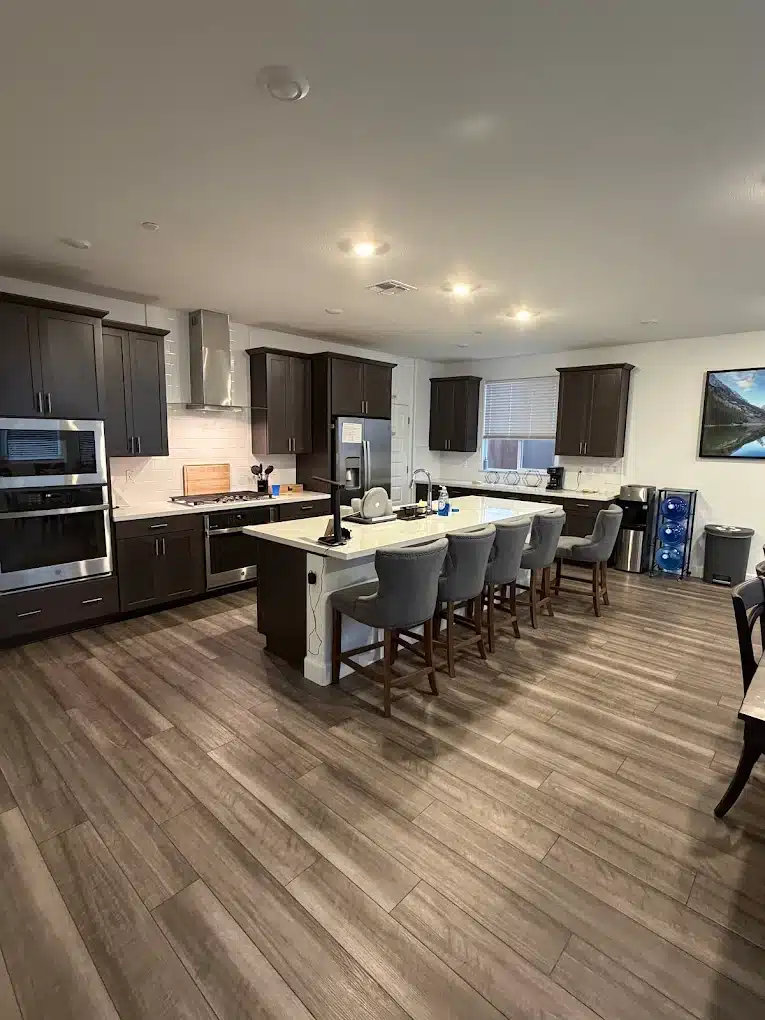
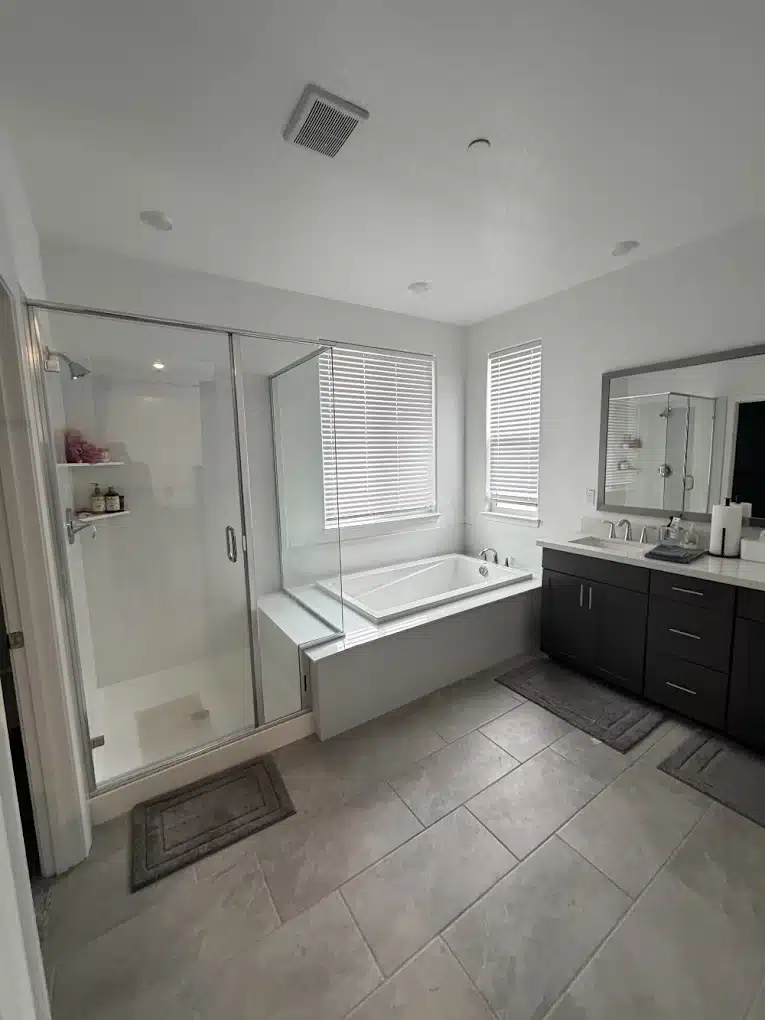
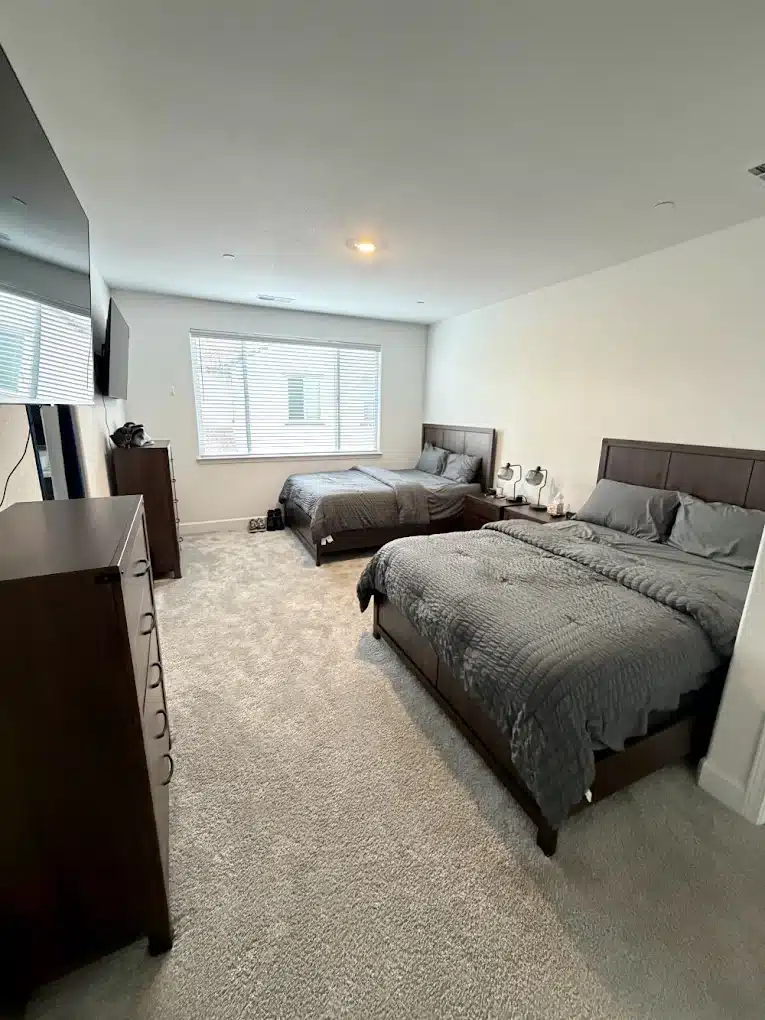
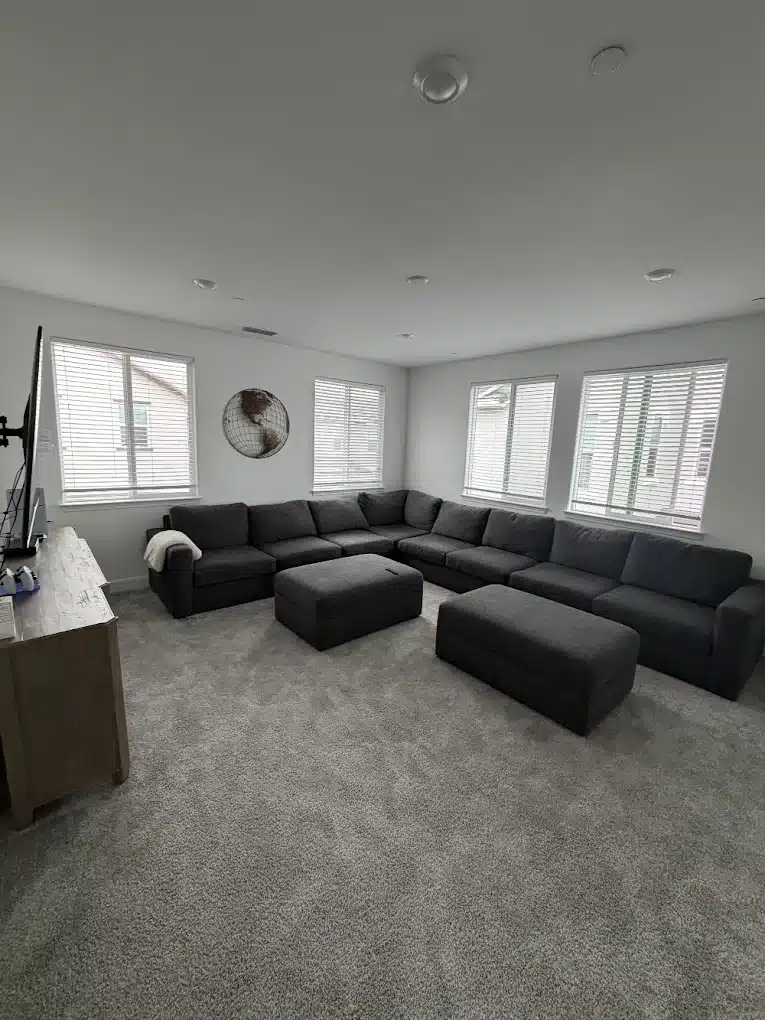
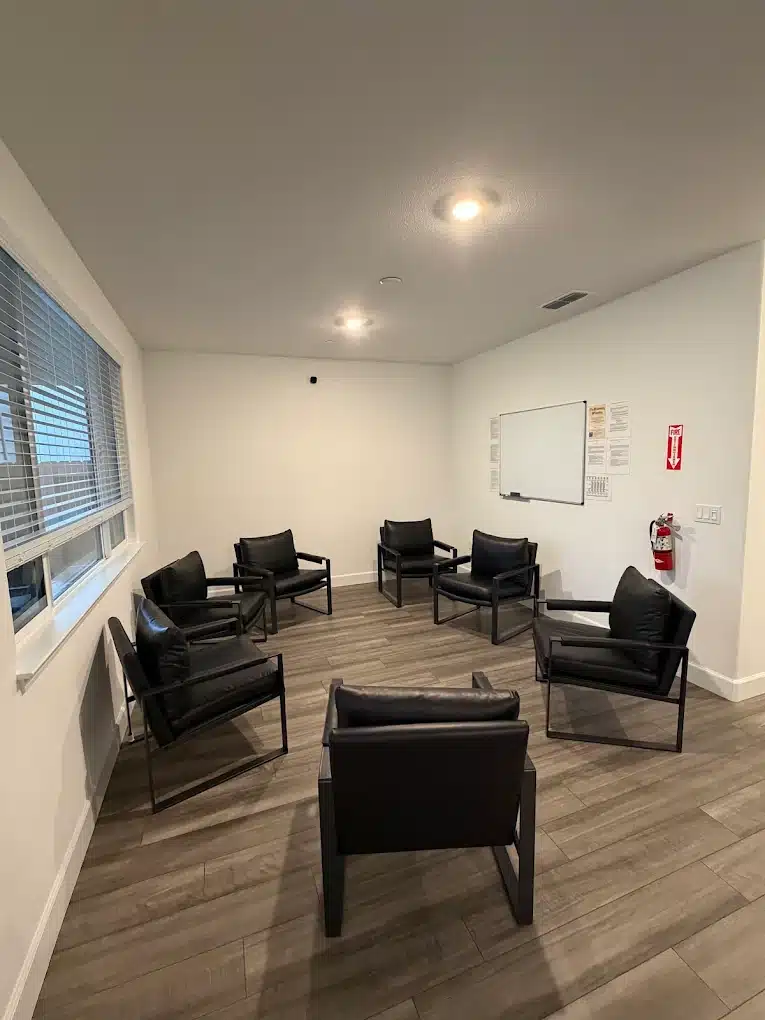
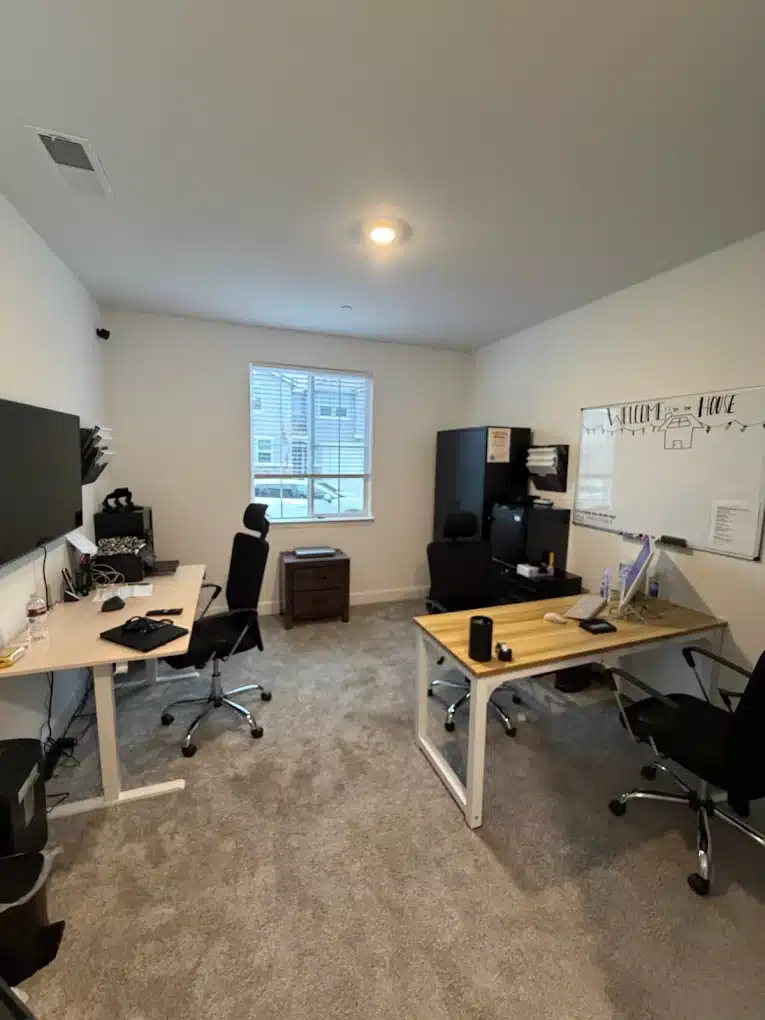
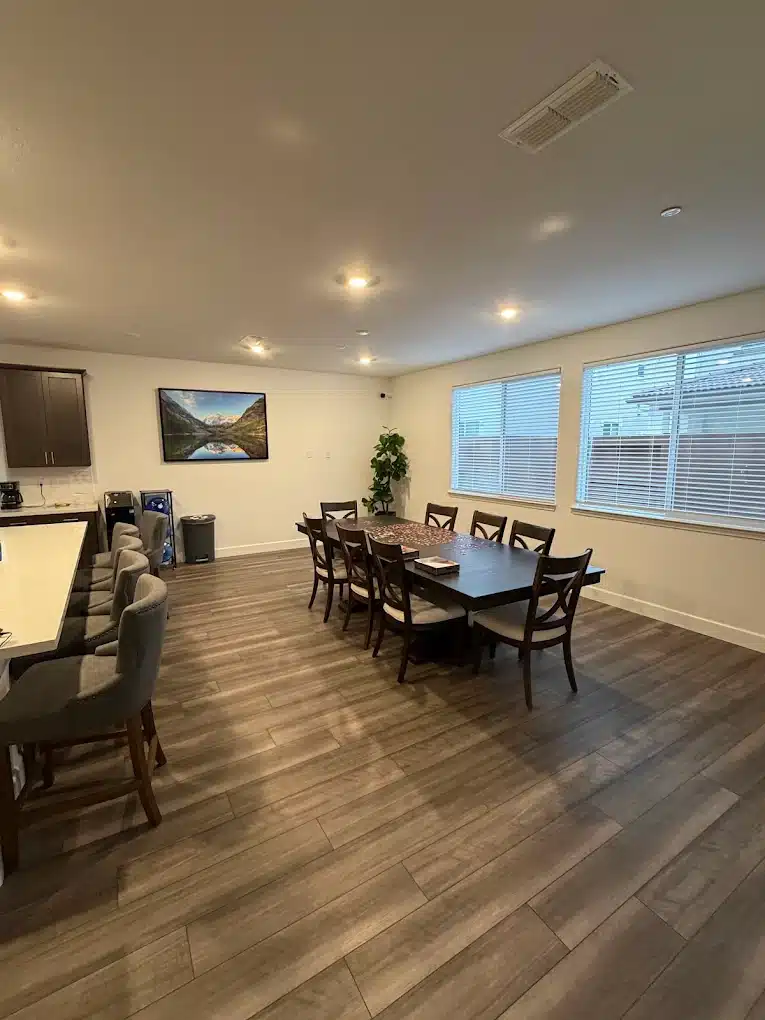
The work described on this page happens in a real place. Our 6-bed residential facility in Roseville is built around the principle that residential mental health treatment should feel residential — not institutional. Tour the spaces where the daily clinical work, group programming, and wellness practices actually take place.

Frequently Asked Questions

What is medication management?
Medication management is the evidence-based pharmacotherapy provided alongside psychotherapy across most mental health diagnoses. Effective medication strategy requires expert prescribing, careful monitoring of response and side effects, attention to medication interactions, and integration with the broader treatment plan. It is a clinical process, not a prescription event.
Which conditions benefit from medication management?
Medication is a core component of evidence-based treatment for most psychiatric conditions including major depression, bipolar disorder, schizophrenia and schizoaffective disorder, OCD, anxiety disorders, PTSD, substance use disorders (MAT where indicated), and adult ADHD. For severe presentations, the combination of appropriate medication with evidence-based psychotherapy produces measurably better outcomes than either treatment alone.
Why does medication strategy differ by diagnosis?
The medication that helps for one condition can destabilize another. Antidepressants alone can trigger mania or rapid cycling in bipolar disorder. Stimulants can worsen anxiety or psychosis. Benzodiazepines can complicate substance use treatment. Effective psychiatric prescribing requires diagnostic clarity, knowledge of the evidence base for each condition, and attention to co-occurring conditions and medication interactions.
What is treatment-resistant depression and how is medication managed?
Treatment-resistant depression is depression that hasn't responded to two or more adequate antidepressant trials at therapeutic doses for adequate duration. Medication strategy for treatment-resistant cases typically includes diagnostic reassessment (including evaluation for bipolar patterns), augmentation strategies (adding a second medication to enhance the first), switching to a different antidepressant class, or considering specialized treatments. Our medical director leads the reassessment and strategy.
Why is residential medication management more effective for complex cases?
Outpatient medication management typically provides a single monthly appointment with limited time to assess response, manage side effects, and adjust strategy. For severe presentations, treatment-resistant cases, post-hospitalization step-down, or complex co-occurring regimens, that frequency is often insufficient. Residential medication management provides daily clinical observation, immediate adjustment when the picture changes, and the structure to support adherence during the most critical phase of treatment.
Will I keep taking my current medications during residential treatment?
Medication decisions are made by our medical director after the comprehensive assessment, in coordination with the individual and the prior outpatient prescriber when possible. In most cases, current medications continue with potential adjustments based on the clinical picture. The goal of residential medication management is optimization, not arbitrary change — the regimen that works at discharge will typically continue at outpatient.
Does Sacramento Mental Health continue medication-assisted treatment for substance use?
Yes, when clinically appropriate. Medication-Assisted Treatment (MAT) — including naltrexone, buprenorphine, and acamprosate — has strong evidence for specific substance use disorders. Our medical director continues clinically appropriate MAT alongside the integrated dual-diagnosis work during residential care, coordinated with outpatient MAT continuation after discharge.
How do I discuss coverage and payment for residential treatment?
Coverage for residential mental health care varies significantly by situation. The clearest first step is a brief conversation with our admissions team — they can walk through coverage and payment options specific to your circumstances. Call (916) 527-9606 to discuss.


Medically Reviewed By

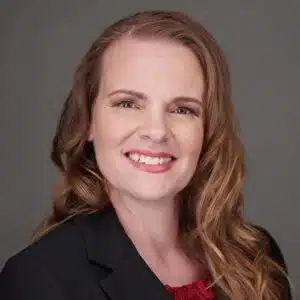
Picture of Dr. Bonnie J. Mitchell DBH, LPCC

Dr. Bonnie J. Mitchell DBH, LPCC

Dr. Bonnie Mitchell is a behavioral health leader, clinician, and advocate dedicated to expanding access to compassionate, evidence-based mental health and substance use treatment. She earned her Doctor of Behavioral Health degree from Arizona State University in 2018, holds a Master’s degree in Clinical Counseling for Mental Health, and a Bachelor’s degree in Psychology. She is a Licensed Professional Clinical Counselor in California. Throughout her career, Dr. Mitchell has served in executive and clinical leadership roles including Executive Director, Regional Clinical Director, and C-suite behavioral health executive.