Our clinical team uses trauma-focused therapies with strong research support — Prolonged Exposure (PE), Cognitive Processing Therapy (CPT), and Eye Movement Desensitization and Reprocessing (EMDR) — combined into a personalized plan. The exact mix depends on what the comprehensive assessment reveals about trauma type, severity, dissociation, and any co-occurring conditions. Every treatment plan is built and led by our Clinical Director, with medical oversight from our Medical Director.
Trauma-Focused Therapy — The Gold Standard for PTSD
Prolonged Exposure, Cognitive Processing Therapy, and EMDR are the three first-line evidence-based treatments for PTSD per the American Psychological Association and the VA/DOD Clinical Practice Guideline. Each works on a different mechanism: PE through structured imaginal and in-vivo exposure to trauma memories and avoided situations, CPT through identifying and restructuring the cognitive stuck points around safety, trust, power, esteem, and intimacy, and EMDR through bilateral stimulation while the trauma memory is held in working memory. For severe PTSD or complex trauma, we integrate elements of more than one approach. Treatment is not single-modality — it’s the right combination delivered with the intensity the condition requires. Our article on the gold-standard PTSD treatments explains PE, CPT, and EMDR in plain language.
Why Residential Trauma Treatment Is More Effective for Severe PTSD
Outpatient trauma therapy — typically 60 to 90 minutes per week — gives the person hundreds of hours between sessions to manage trauma activation alone. For adults with severe avoidance, significant dissociation, active suicidality, or co-occurring active substance use, that pattern is often unsustainable. Our residential program provides daily clinical contact, a structured environment that supports the stabilization work trauma therapy requires, and the immersive intensity that allows real processing rather than week-by-week containment.
Our Residential Structure
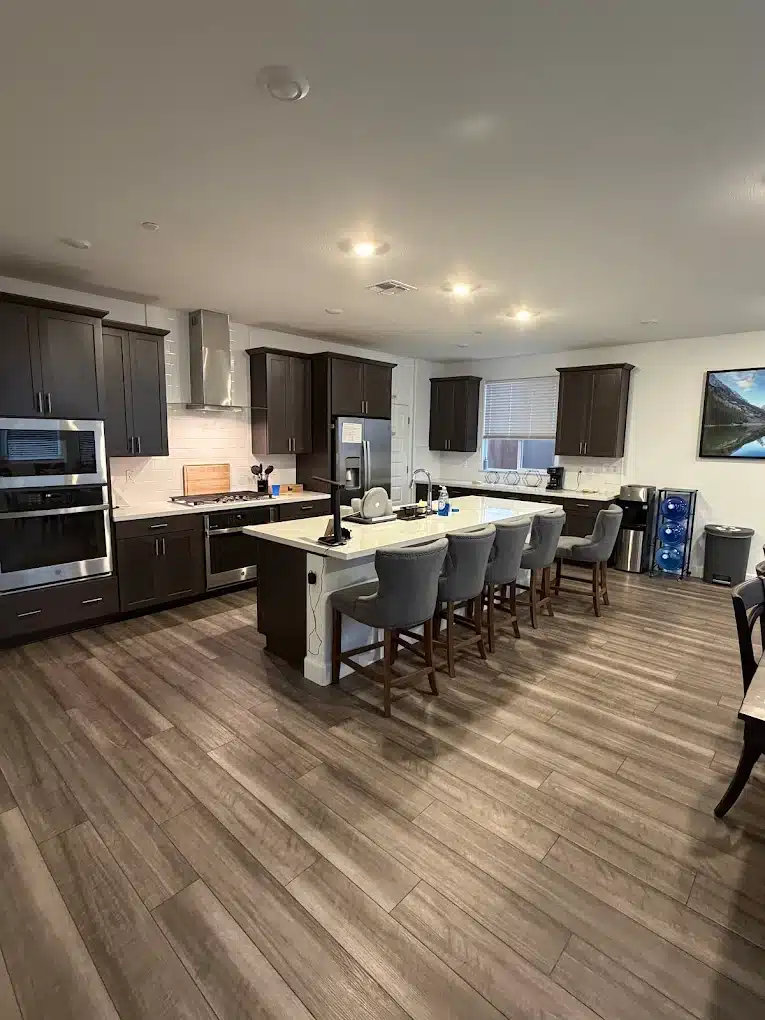
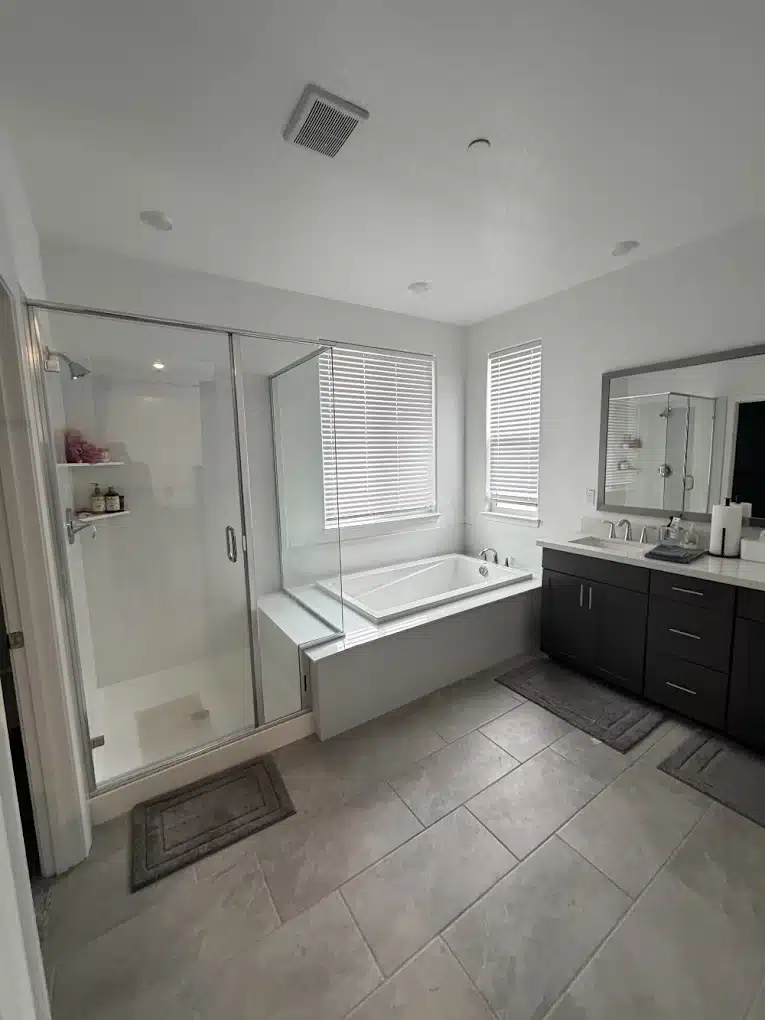
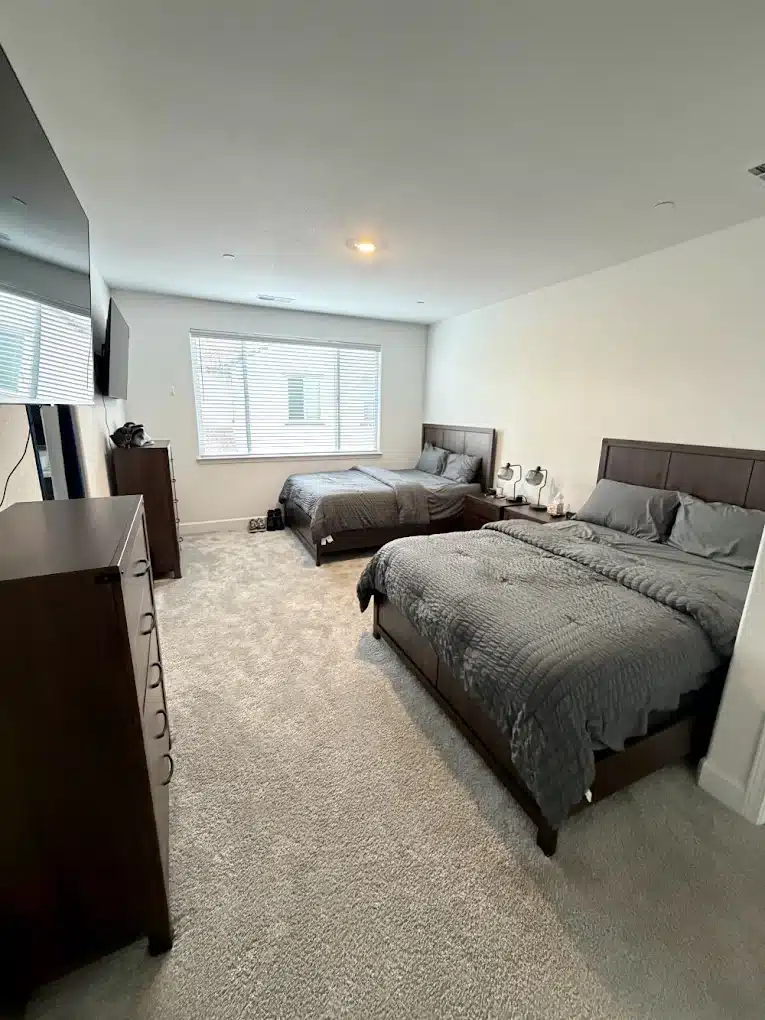
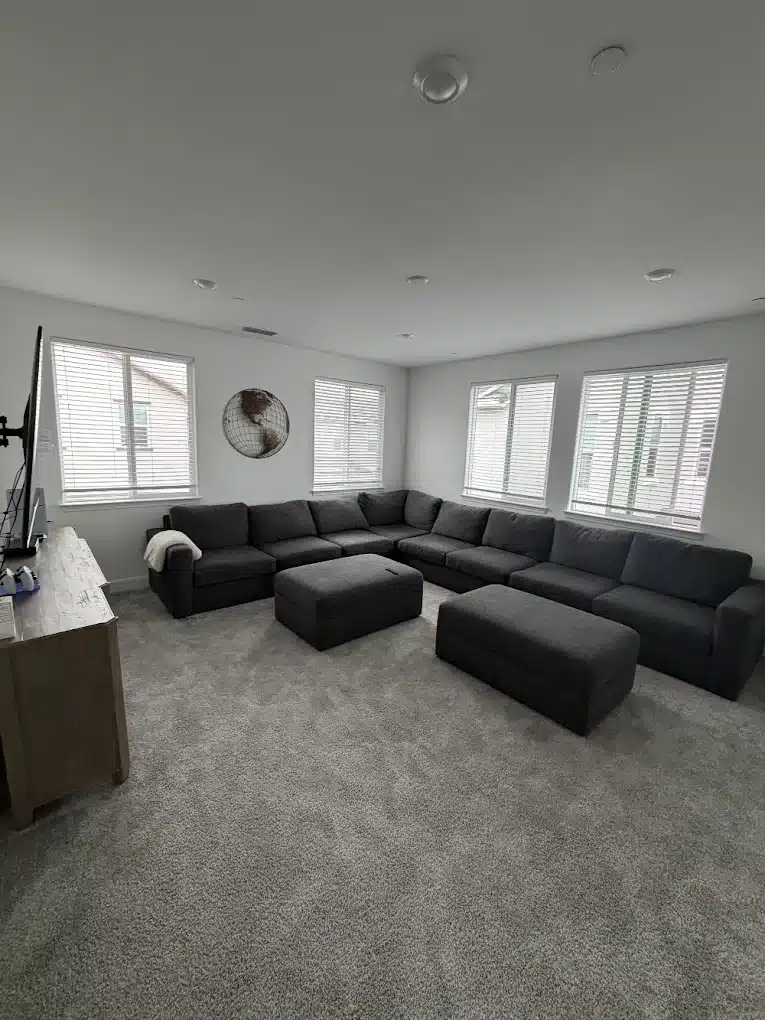
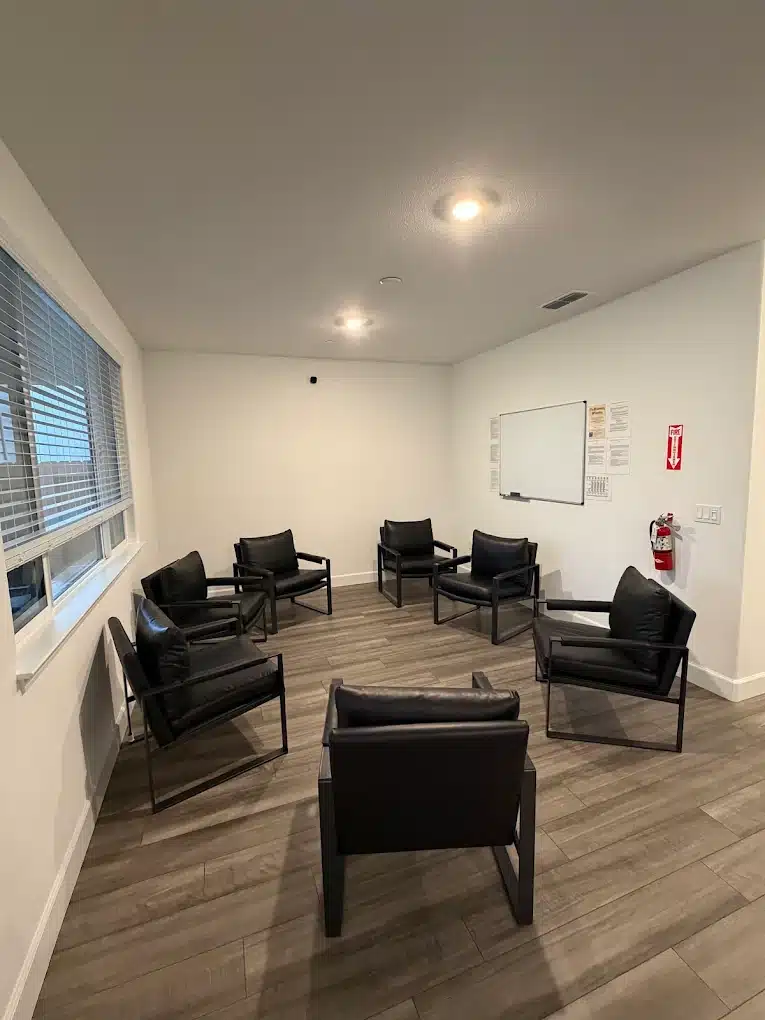
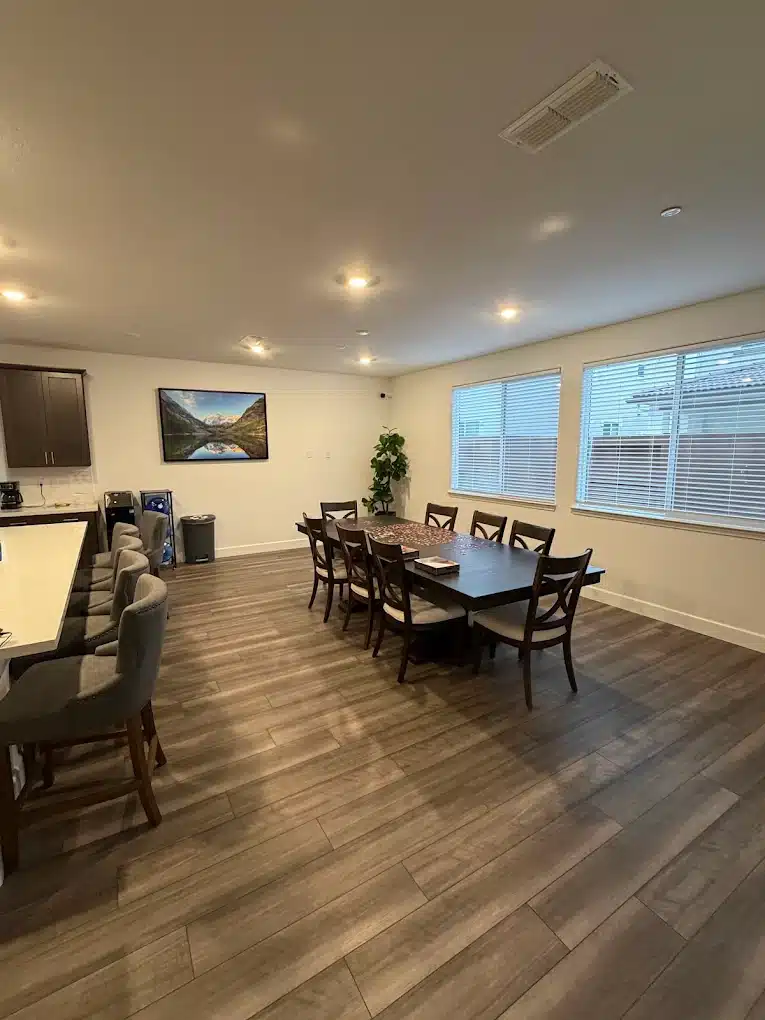
Sacramento Mental Health provides around 30 days of structured residential care, followed by a coordinated step-down to outpatient or virtual support. For PTSD specifically, the residential window establishes safety and stabilization, builds the foundation for trauma processing, and equips the individual for continued work with an outpatient trauma-focused therapist after discharge. The residential stay is the inflection point, not the end of treatment.
When Residential PTSD Treatment Is Right for You
Outpatient trauma therapy works for many adults with moderate PTSD, and we recommend it first when the clinical picture supports it. Residential treatment becomes the right next step when symptoms have crossed into territory that weekly sessions can’t reach — when avoidance is preventing engagement in outpatient work, dissociation is interrupting daily functioning, or a co-occurring condition is making outpatient trauma therapy unsustainable. The clinical signals below are the most common indicators a residential stay is worth considering.
- Severe avoidance that’s shrinking daily functioning — work, relationships, ability to leave the house
- Significant dissociation interfering with the capacity to engage in outpatient trauma therapy
- Active suicidality or self-harm, or recent crisis intervention
- Co-occurring active substance use, eating disorder, or severe depression complicating outpatient trauma work
- Outpatient PE, CPT, or EMDR hasn’t produced meaningful change after a full course of treatment
- Complex trauma that requires more structure than weekly sessions can provide
What to Expect — Your First 30 Days
A typical residential stay at Sacramento Mental Health unfolds in phases. The schedule adapts to each person, but the structure is consistent — beginning with safety and stabilization, moving into the deeper work of trauma processing once the clinical foundation is established, and ending with discharge planning that connects each person to outpatient trauma-focused care for the months ahead.
Day 1 — Comprehensive assessment and intake. Clinical evaluation, trauma history, medical history, dissociation screening, and a treatment plan tailored to the specific presentation and any co-occurring conditions.
Days 1-3 — Stabilization and orientation. Settling into the residential environment, building safety, meeting the clinical team, and beginning structured daily programming.
Week 1 — Foundation and skills. Psychoeducation about trauma and the nervous system, grounding and affect regulation skills, and clinical preparation for trauma-focused work.
Weeks 2-3 — Trauma processing. Active PE, CPT, or EMDR work in individual sessions, supported by group programming, somatic regulation, and medication adjustment if clinically appropriate.
Week 4 — Step-down planning and transition. Coordinating outpatient trauma-focused therapy with another organization, equipping the individual and family with a continuation plan for the months after discharge.
For a fuller look at the options, see our guide to PTSD treatment options.