What is relapse prevention?
Relapse Prevention is the structured evidence-based approach to identifying high-risk situations, building coping responses, and reducing the likelihood of recurrence in conditions characterized by episodic patterns. Developed by G. Alan Marlatt and Judith Gordon in the 1980s originally for substance use disorders, the framework has since been extended to mood disorders, schizophrenia stabilization, OCD, and other recurrence-prone conditions.
What conditions benefit from relapse prevention work?
Relapse prevention is integrated across the treatment of conditions characterized by episodic or recurrent patterns — substance use disorders (most directly), recurrent major depression, bipolar disorder, schizophrenia and schizoaffective disorder, OCD with recurrent patterns, and co-occurring conditions. For these recurrence-prone conditions, preventing the next episode often matters more than treating the current one.
What's the difference between a lapse and a relapse?
A lapse is a single slip — a return to the problematic behavior or symptom pattern in a discrete instance. A relapse is a full return to the previous pattern. The distinction matters clinically because the cognitive and emotional response to a lapse (the 'abstinence violation effect') often determines whether it stays a lapse or becomes a relapse. Relapse prevention work explicitly addresses this distinction and the response to lapses.
How does relapse prevention work for depression?
Recurrent depression has high rates of episode return without specific relapse-prevention work. The approach identifies the individual's early-warning signs (specific thoughts, behavioral changes, sleep disruption), builds the cognitive and behavioral responses to interrupt the trajectory toward a full episode, and addresses the lifestyle factors that affect long-term stability. Mindfulness-Based Cognitive Therapy is a specifically relapse-prevention-oriented approach for recurrent depression.
How does relapse prevention work for substance use?
For substance use disorders, relapse prevention targets the high-risk situations (people, places, emotional states), builds the specific coping responses that interrupt the trajectory toward use, addresses the abstinence violation effect that often turns a single lapse into a full return, and structures the lifestyle factors (social support, daily routine, ongoing treatment engagement) that affect sustained recovery. It's a core component of evidence-based substance use treatment.
Why does residential relapse prevention work better than outpatient?
Outpatient relapse prevention work happens in weekly sessions and often gets sidelined when active symptoms resolve. For adults with recurrence-prone conditions — particularly those with previous relapse history — that pattern often isn't enough. Residential care provides the structured time and clinical attention to do the full relapse prevention work during a clinically stable window, building the framework before the next high-risk situation appears.
How long does residential relapse-prevention-integrated treatment last?
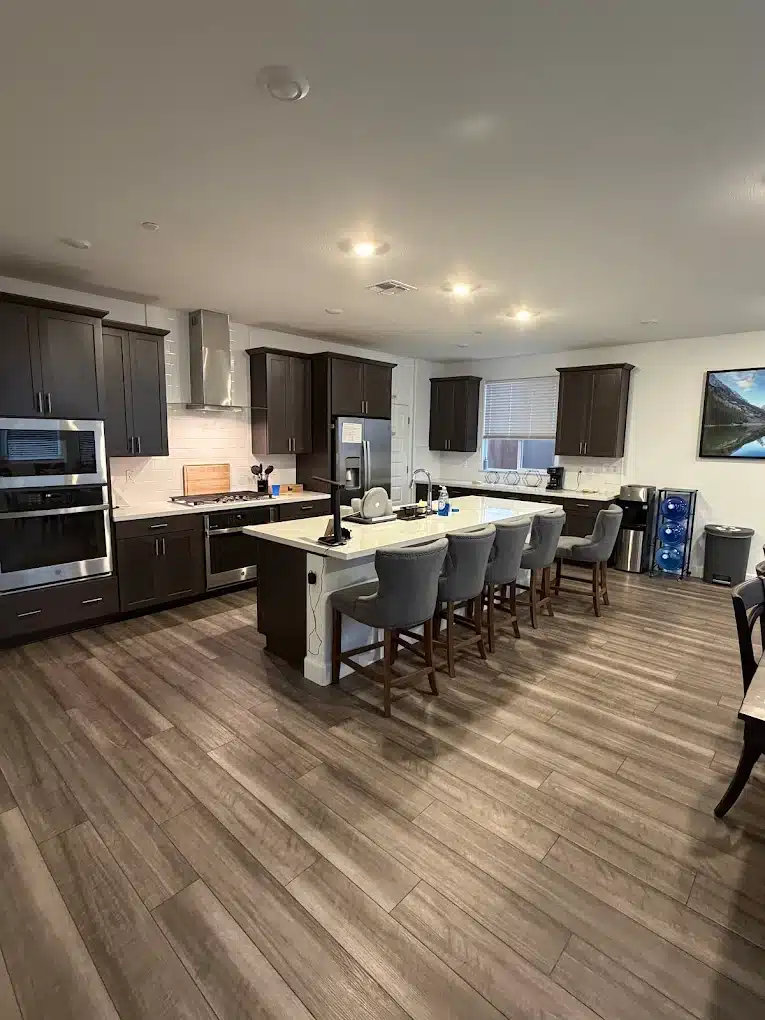
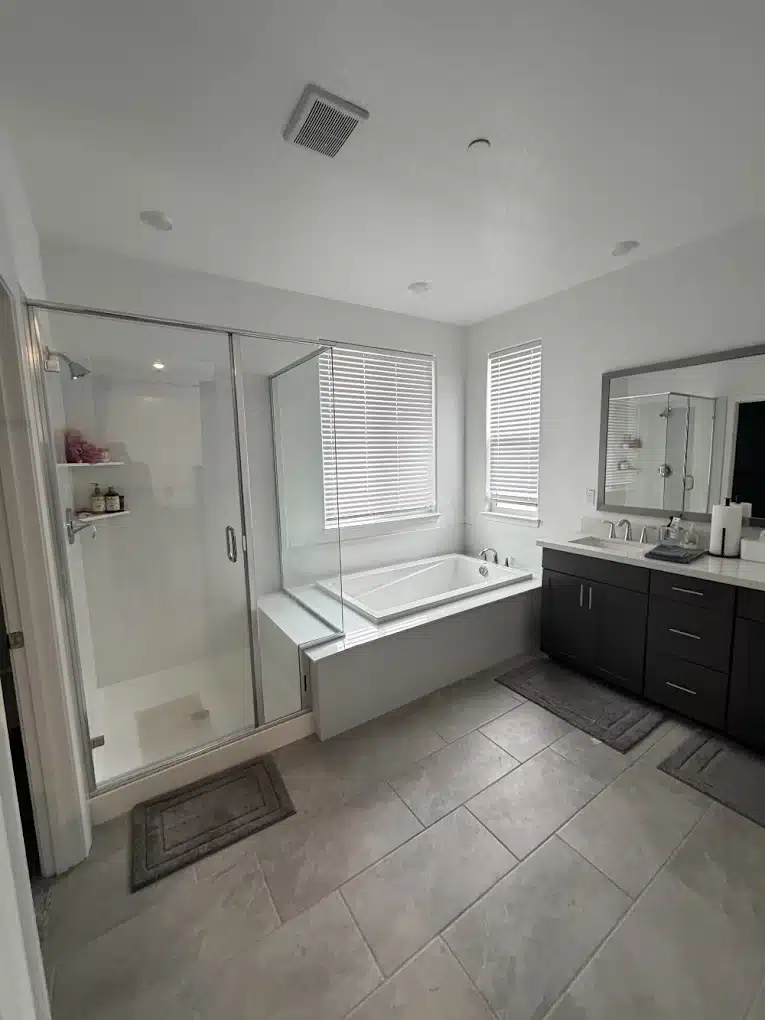
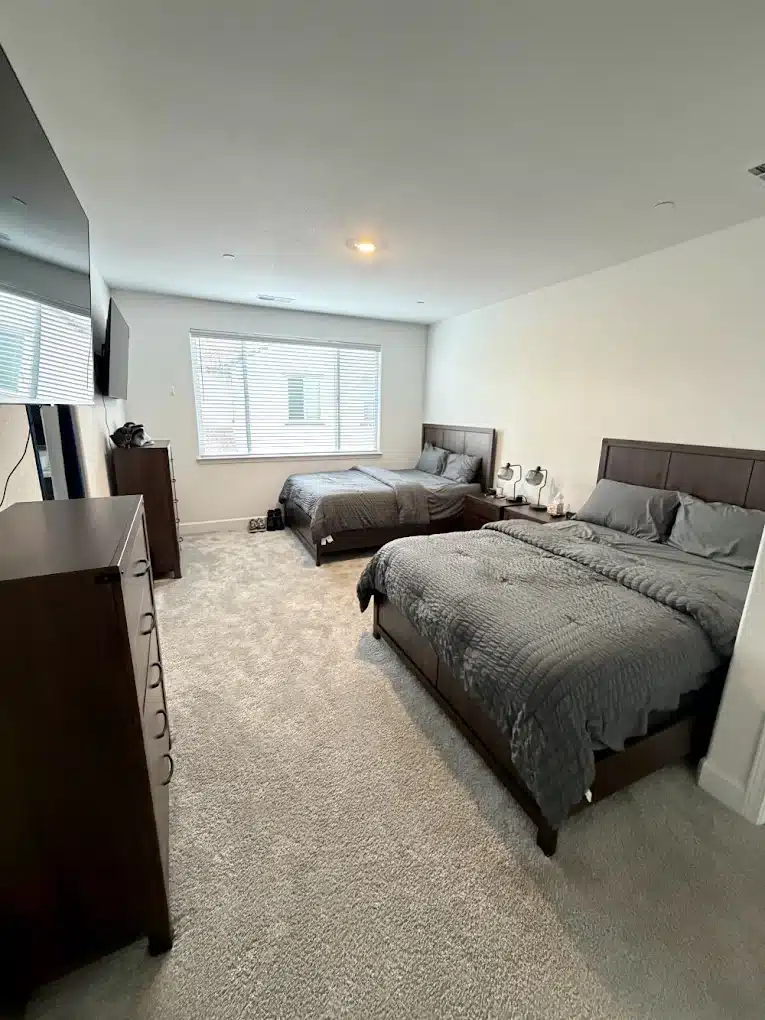
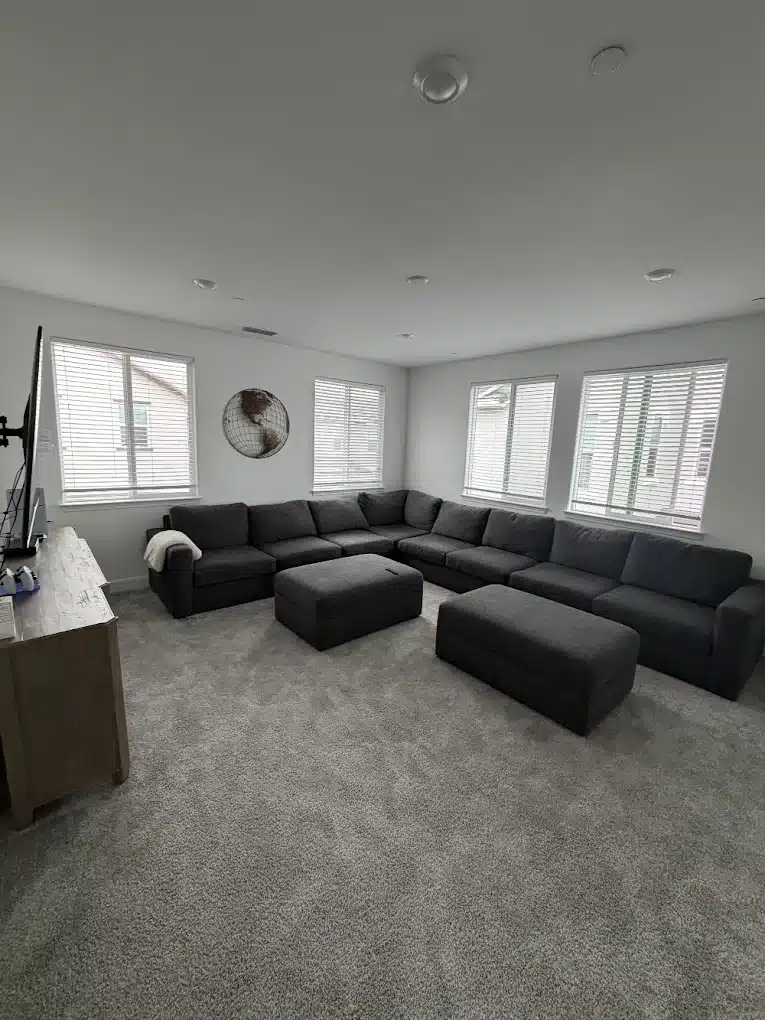
A typical residential stay at Sacramento Mental Health is around 30 days, followed by a coordinated step-down to outpatient care through another organization. Relapse prevention work is integrated across the residential program from the first week, with discharge planning explicitly addressing the post-residential relapse-prevention infrastructure. The work continues post-discharge through outpatient care coordinated during the residential stay.
How do I discuss coverage and payment for residential treatment?
Coverage for residential mental health care varies significantly by situation. The clearest first step is a brief conversation with our admissions team — they can walk through coverage and payment options specific to your circumstances. Call (916) 527-9606 to discuss.