OCD Treatment in Sacramento, CA

Obsessive-Compulsive Disorder (OCD) involves intrusive, unwanted thoughts (obsessions) and repetitive behaviors or mental acts (compulsions) that the person feels driven to perform. At our Cal DSS-licensed residential program in Roseville, our clinical team treats adults across Greater Sacramento and Placer County whose OCD has moved beyond what outpatient care can address. We admit and treat directly.

Related Conditions

Our Treatment Approach

Our clinical team uses evidence-based therapies with research support for OCD — Exposure and Response Prevention (ERP), Cognitive Behavioral Therapy, and medication management — combined into a personalized plan. The exact mix depends on what the comprehensive assessment reveals about subtype, severity, co-occurring conditions, and the individual’s history with previous treatment. Every treatment plan is built and led by our Clinical Director, with medical oversight from our Medical Director.

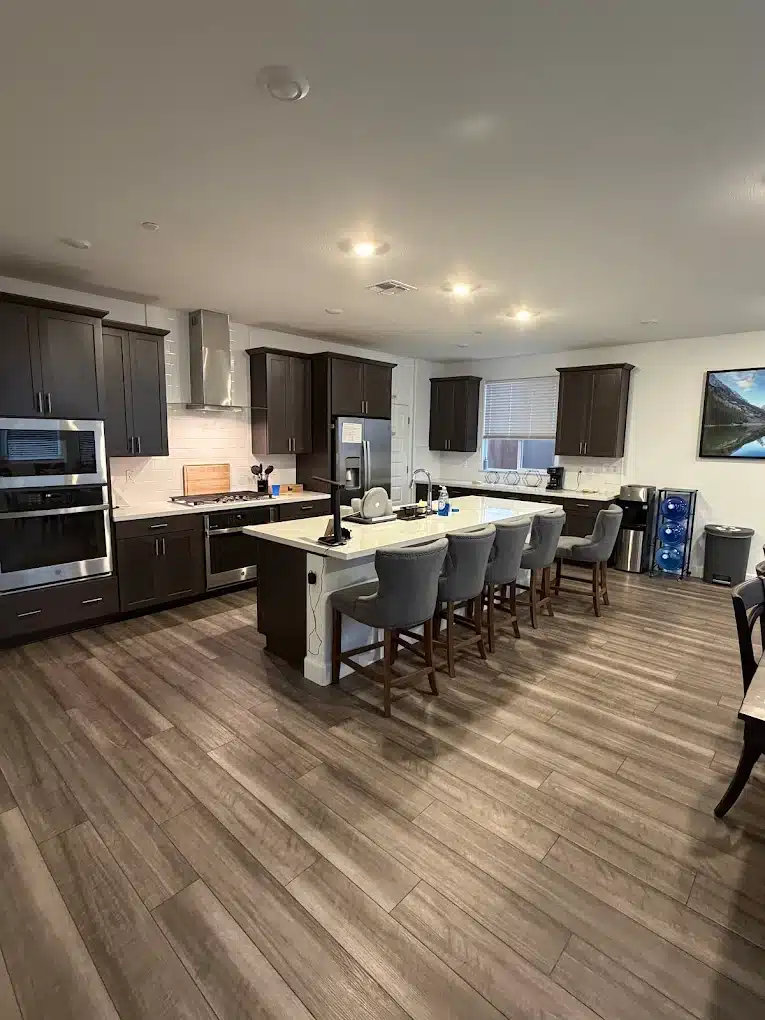
Our Residential Structure

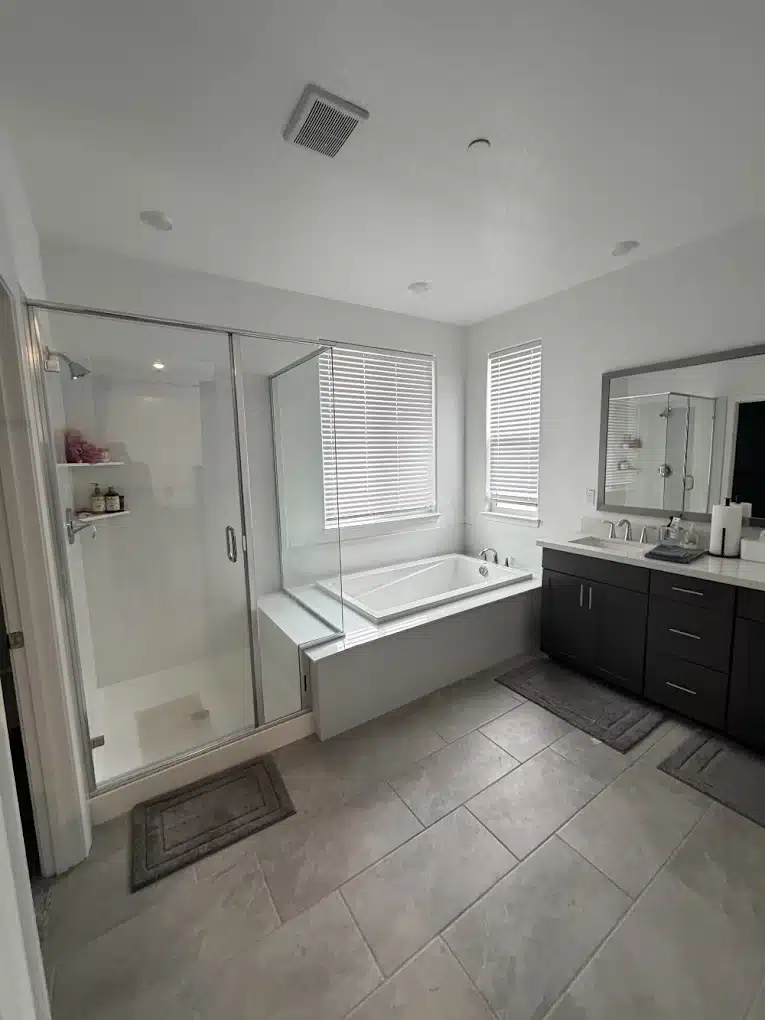
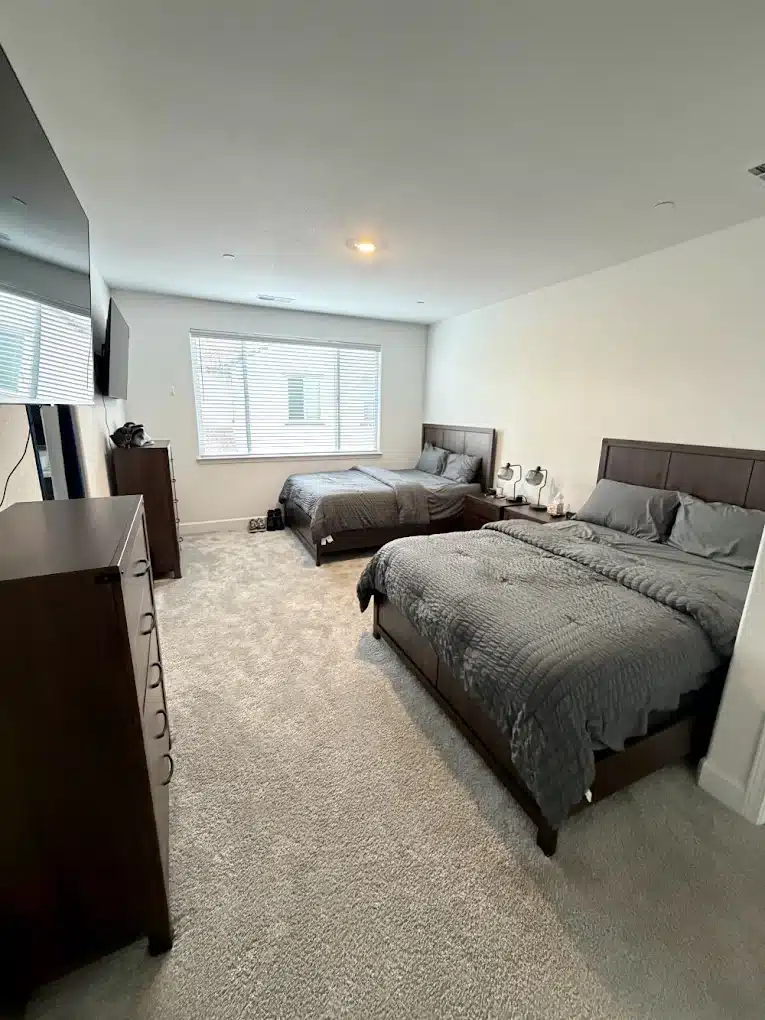
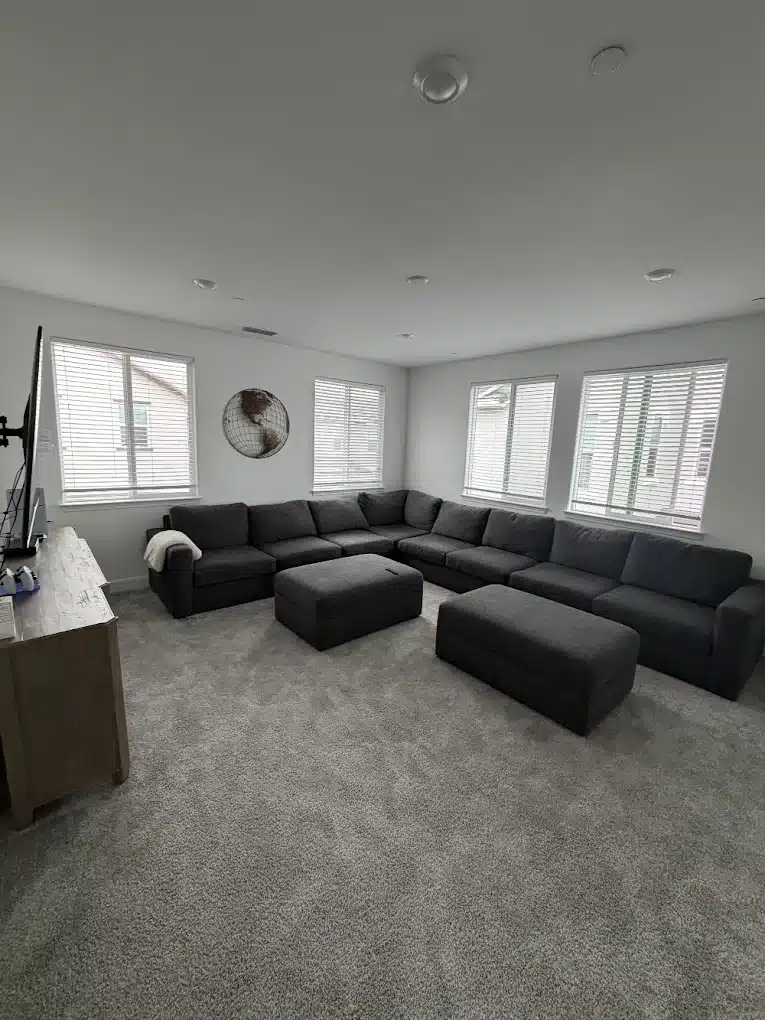
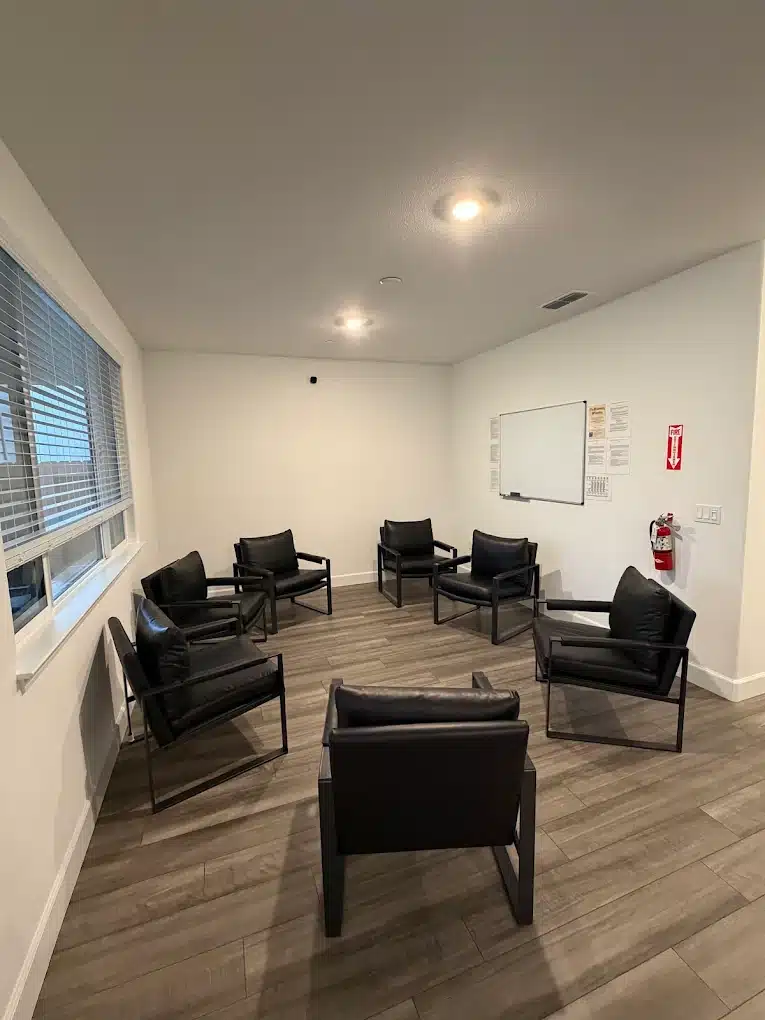
Sacramento Mental Health provides around 30 days of structured residential care, followed by a coordinated step-down to outpatient or virtual support. The residential window is intentional: long enough to interrupt entrenched patterns, short enough to keep recovery integrated with the rest of someone’s life.

When Residential OCD Treatment Is Right for You

Outpatient care works for many adults with moderate OCD, and we recommend it first when the clinical picture supports it. Residential treatment becomes the right next step when symptoms have crossed into territory that weekly sessions can’t reach — when the time compulsions consume, the daily functioning OCD has shrunk, or a co-occurring condition has made outpatient ERP unsustainable. The clinical signals below are the most common indicators a residential stay is worth considering.

  • OCD symptoms that haven’t responded to outpatient ERP or CBT
  • Compulsions consuming significant daily time (typically more than 1-2 hours per day)
  • Severe avoidance that’s shrinking daily functioning
  • Co-occurring depression, anxiety, or substance use complicating treatment
  • Need for intensive ERP in a structured environment

What to Expect — Your First 30 Days

A typical residential stay at Sacramento Mental Health unfolds in phases. The schedule adapts to each person, but the structure is consistent — beginning with assessment and orientation, moving into the deeper work of ERP and modality engagement, and ending with discharge planning that connects each person to outpatient or virtual care for the months ahead.

Day 1 — Comprehensive assessment and intake. Clinical evaluation, medical history, and a treatment plan tailored to the specific presentation and any co-occurring conditions.

Days 1-3 — Stabilization and orientation. Settling into the residential environment, meeting the clinical team, beginning structured daily programming.

Week 1 — Skills foundation. Introduction to the core therapy modalities, beginning the work of identifying patterns and building practical tools.

Weeks 2-3 — Deeper modality work. Sustained therapy in individual and group settings, medication adjustments if clinically appropriate.

Week 4 — Step-down planning and transition. Coordinating outpatient or virtual care with another organization, equipping the individual and family with a plan for the months after discharge.

Explore Treatment Approaches

Why Choose the Mental Health Treatment and Stabilization Center of Sacramento

Families and individuals choosing residential OCD treatment are usually comparing more than one program, and the decision turns on a small number of things that actually matter. Whether the clinical team is trained in ERP across every OCD subtype, including the intrusive-thoughts presentations that often get missed. Whether the program treats co-occurring conditions in the same setting rather than handing them off. Whether the facility is licensed and accountable to a state regulator. Here is what makes our Roseville program the right fit for adults with OCD across Greater Sacramento and Placer County.

Direct Provider, Not a Referral Service

We admit and treat adults directly at our Cal DSS-licensed residential facility. Families don’t have to navigate a referral chain or wait for someone else to call back.

California-Licensed Residential Program

Sacramento Mental Health operates under California Department of Social Services Facility License #315920208. The license signals a baseline of clinical, safety, and operational standards verified by state regulators.

Co-Occurring Expertise

Adults with OCD often live with anxiety, depression, substance use, or trauma alongside the primary condition. Our clinical team treats the whole picture in one setting.

Evidence-Based Modality Stack

Each treatment modality is selected based on clinical research and individualized assessment, led by our Clinical Director and Medical Director.

Placer County’s Residential Mental Health Home

Most residential mental health programs in Northern California are clustered in Sacramento proper. Our Roseville location gives Placer County residents — Rocklin, Lincoln, Loomis, Auburn — a residential option without a long drive across the county line.

Next Steps

Where you are in this matters. Find the path that fits where you are right now.

If you're ready to talk

A 15-minute call with our admissions team is the fastest way to get clarity. We’ll cover symptoms, fit, coverage, and timeline.

Call (916) 527-9606

If you're not sure residential treatment is right

Many people start by sitting with the question of whether residential care is the right next step. A comprehensive clinical assessment is the most reliable way to find out — it maps the diagnostic picture, severity, any co-occurring conditions, and the level of care that actually fits.

Learn how the comprehensive assessment works

If you're researching for a loved one

Bringing residential treatment into a family conversation is hard. Start by meeting the clinical team who would actually treat your loved one, and seeing how admissions handles family involvement.

Meet our clinical team

Coverage and Payment

Sacramento Mental Health works with families to make residential mental health care accessible. Call (916) 527-9606 to discuss coverage and payment options with our admissions team.

See What Our Clients are Saying

Frequently Asked Questions

What is OCD?
Obsessive-Compulsive Disorder (OCD) involves intrusive, unwanted thoughts, images, or urges (obsessions) and repetitive behaviors or mental acts (compulsions) that the person feels driven to perform to reduce anxiety or prevent feared outcomes. OCD affects about 2-3% of adults at some point in their lives.
What is the most effective treatment for OCD?
Exposure and Response Prevention (ERP) is the gold-standard treatment for OCD. ERP involves structured, graduated exposure to feared situations or thoughts while preventing the compulsive response. Cognitive Behavioral Therapy (CBT) and medication (typically SSRIs) are often combined with ERP.
Why is residential treatment helpful for OCD?
Residential treatment provides intensive ERP that's difficult to achieve in weekly outpatient sessions. The structured environment supports exposure work, allows for daily clinical contact, and helps interrupt the avoidance patterns that maintain OCD.
How long does residential OCD treatment last?
A typical residential stay at Sacramento MH is around 30 days, followed by a coordinated step-down to outpatient or virtual care through another organization. ERP is the kind of work that continues after residential care — the residential window builds the foundation.
What if my OCD is mostly intrusive thoughts without visible compulsions?
OCD with intrusive thoughts and largely mental compulsions (called "Pure-O" by some, though all OCD involves both obsessions and compulsions) responds to the same ERP-based treatment as more visible OCD presentations. The compulsions are often mental review, reassurance-seeking, or avoidance — and they respond to structured response prevention.
Does Sacramento MH treat OCD subtypes like contamination or checking?
Yes. ERP is effective across OCD subtypes — contamination, checking, symmetry, intrusive thoughts, and others. The specific exposure plan is tailored to the individual's particular obsessions and compulsions.
What conditions commonly co-occur with OCD?
OCD commonly co-occurs with anxiety disorders, depression, and tic disorders. Treating the full picture matters — addressing only the OCD while ignoring an active depression, for example, often leaves the deeper pattern untouched.
How do I discuss payment for residential treatment?
Coverage for residential mental health care varies by situation. The clearest first step is a brief conversation with our admissions team. Call (916) 527-9606 to discuss.

Medically Reviewed By

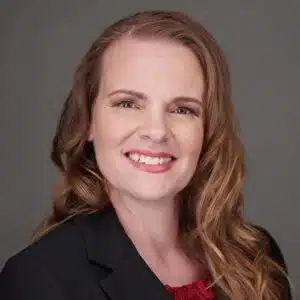
Picture of Dr. Bonnie J. Mitchell DBH, LPCC

Dr. Bonnie J. Mitchell DBH, LPCC

Dr. Bonnie Mitchell is a behavioral health leader, clinician, and advocate dedicated to expanding access to compassionate, evidence-based mental health and substance use treatment. She earned her Doctor of Behavioral Health degree from Arizona State University in 2018, holds a Master’s degree in Clinical Counseling for Mental Health, and a Bachelor’s degree in Psychology. She is a Licensed Professional Clinical Counselor in California. Throughout her career, Dr. Mitchell has served in executive and clinical leadership roles including Executive Director, Regional Clinical Director, and C-suite behavioral health executive.