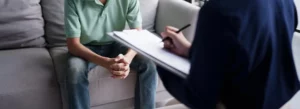
Our clinical team treats schizophrenia using the evidence-based combination of antipsychotic medication management — atypical antipsychotics as first-line, with clozapine consideration for treatment-resistance — and integrated psychosocial treatment including CBT for psychosis (CBTp), social skills training, family-focused therapy where indicated, and supported daily structure. The exact mix depends on what the comprehensive assessment reveals about stage, symptom profile, medication history, and co-occurring conditions. Every treatment plan is built and led by our Clinical Director, with medical oversight from our Medical Director.
Antipsychotic Medication — The Foundation of Schizophrenia Treatment
Antipsychotic medication is the core of schizophrenia treatment. Atypical antipsychotics — risperidone, olanzapine, quetiapine, aripiprazole, paliperidone, and others — are first-line, with selection based on symptom profile, side-effect tolerance, and individual response history. For treatment-resistant schizophrenia, clozapine has the strongest evidence base and produces meaningful response in a substantial portion of adults who haven’t responded to other antipsychotics. Long-acting injectable formulations are an option for adults whose adherence has been a barrier to stability. Our medical director leads the medication strategy based on the specific clinical picture.
Integrated Psychosocial Treatment
Medication addresses the neurobiological symptoms, but functional recovery requires more. Cognitive Behavioral Therapy for psychosis (CBTp) addresses the residual positive symptoms, distressing voices, and delusional patterns that often persist despite medication. Social skills training rebuilds the interpersonal capacity affected by both the illness and its long-term impact. Family-focused therapy strengthens the support system. Supported daily structure interrupts the negative-symptom drift that medication doesn’t address.
Why Residential Treatment Works for Schizophrenia Stabilization
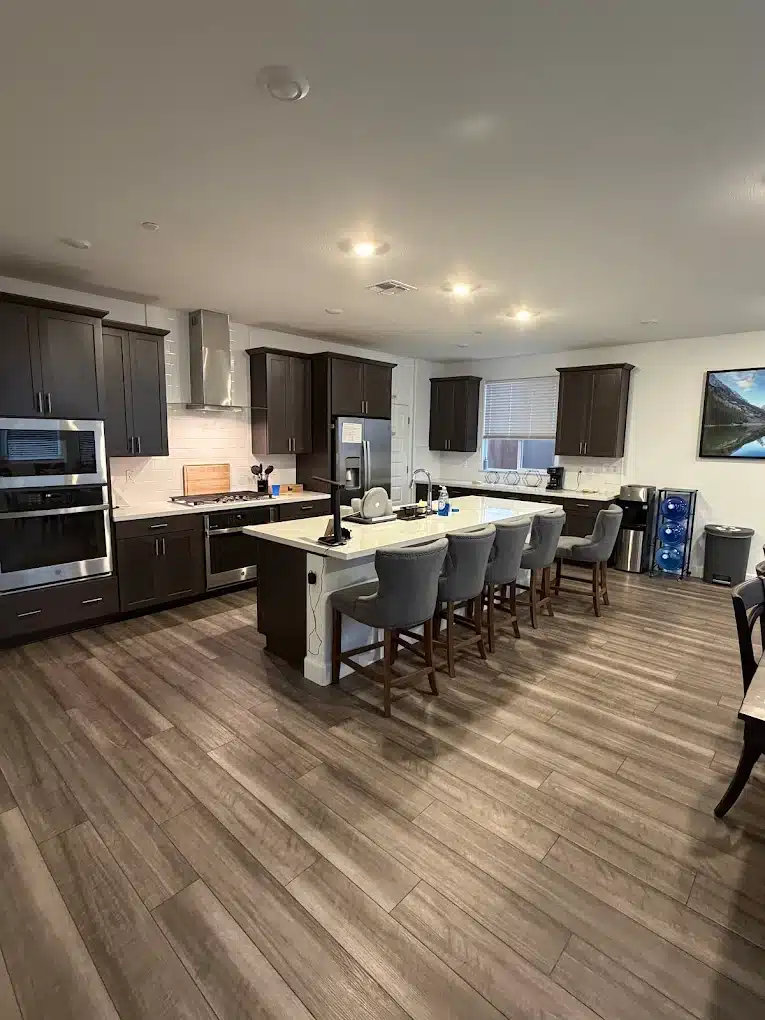
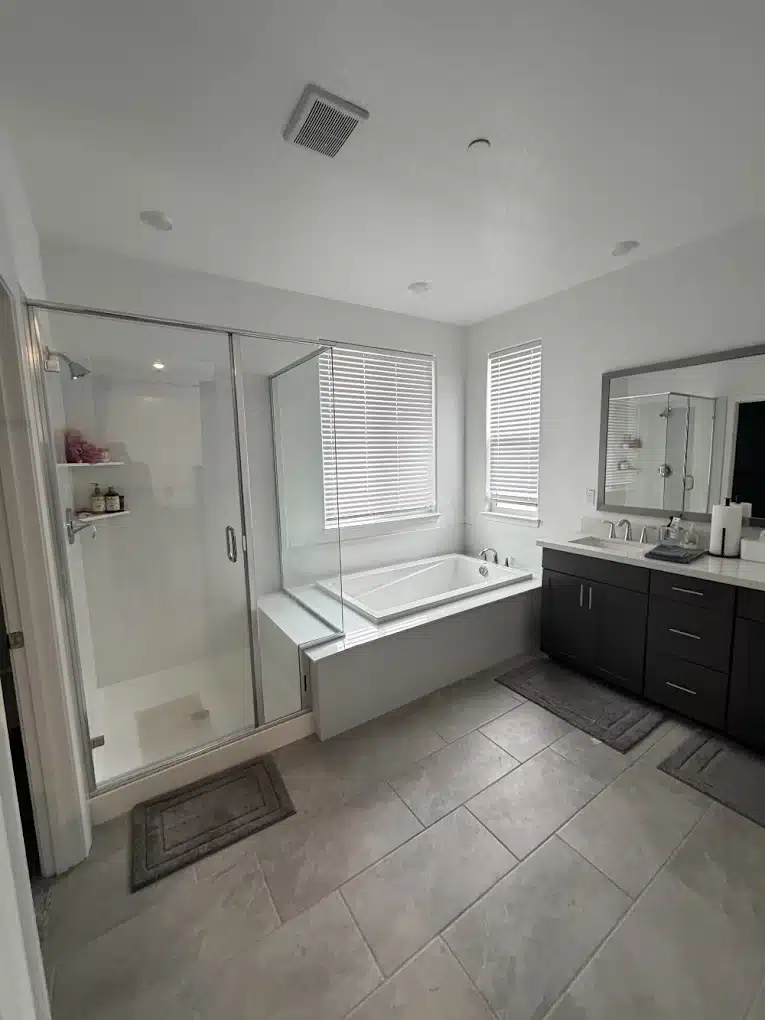
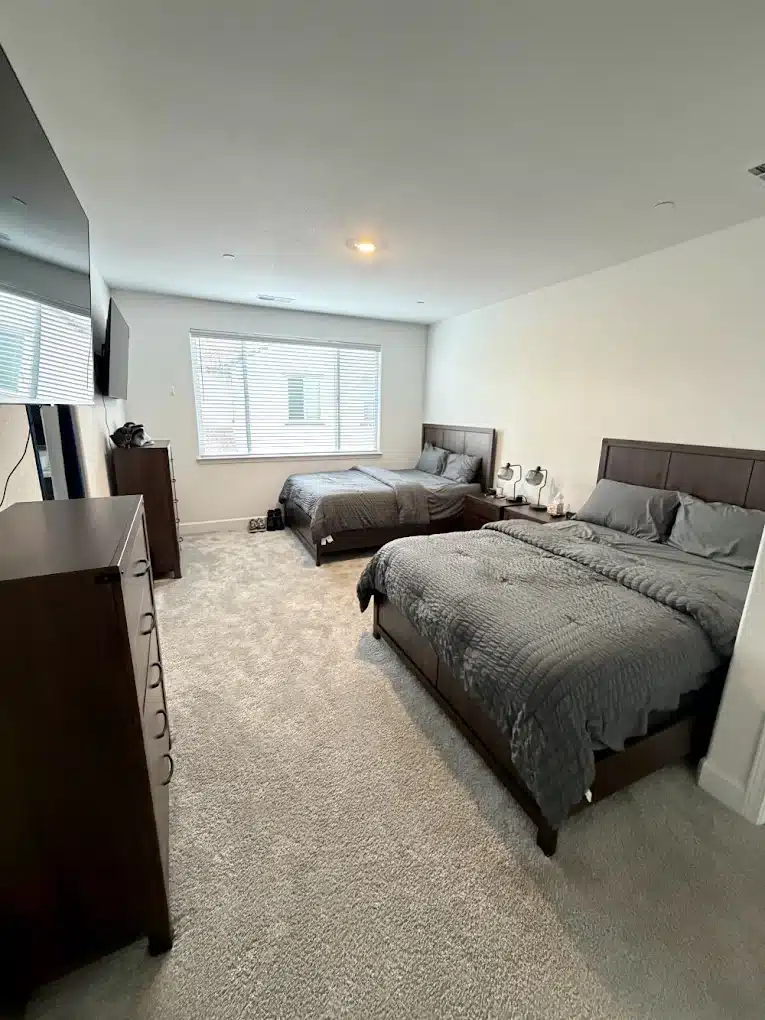
Outpatient schizophrenia treatment works during stable periods between episodes. Residential treatment becomes the right step during post-hospitalization transitions, periods of destabilization, medication adherence breakdown, or treatment-resistant phases. Our residential program provides the structured environment that supports consistent medication-taking, the daily clinical contact that catches destabilization early, and the integrated treatment that long-term recovery actually requires.
Our Residential Structure
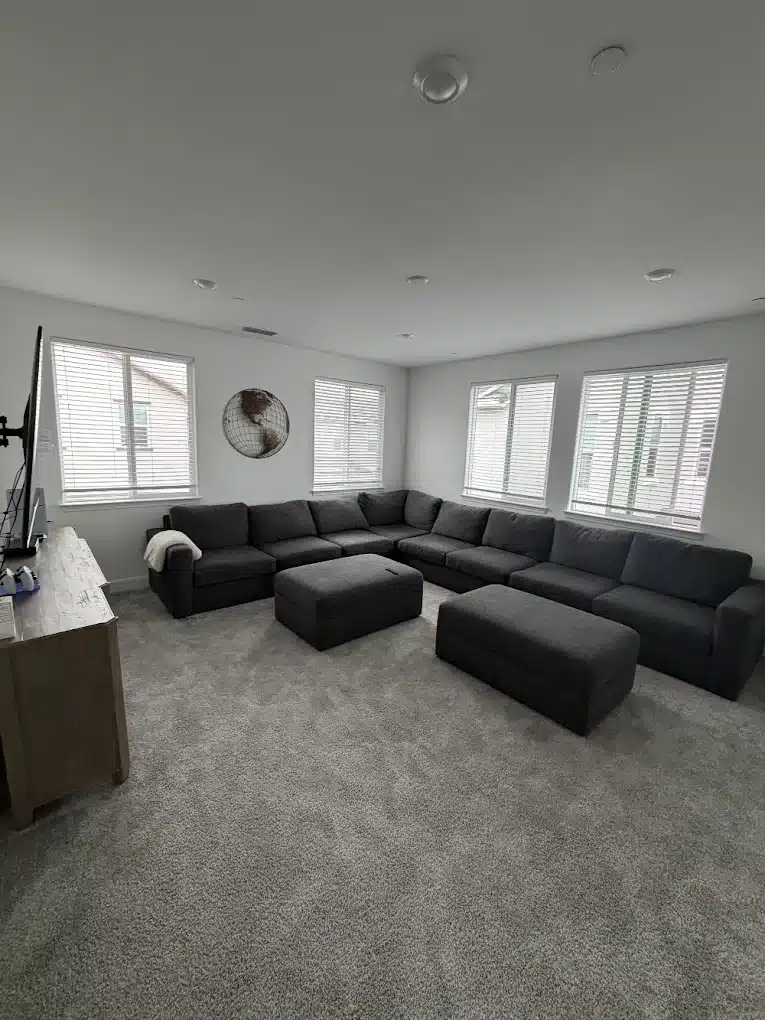
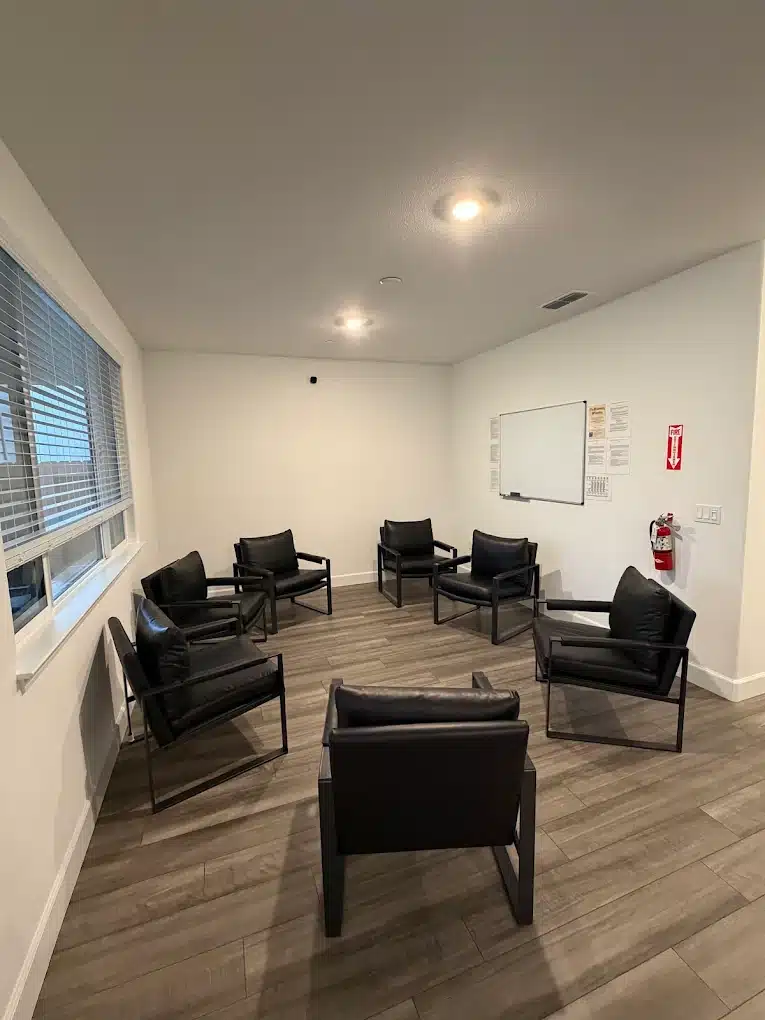
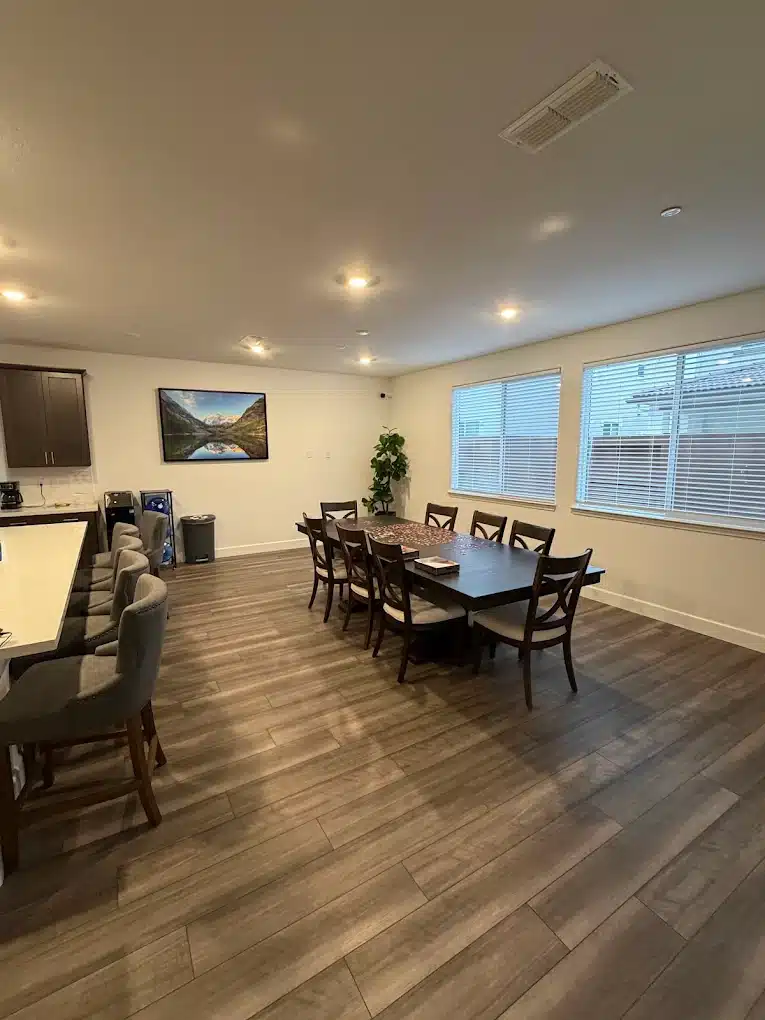
Sacramento Mental Health provides around 30 days of structured residential care, followed by a coordinated step-down to outpatient psychiatry and therapy. For schizophrenia specifically, the residential window stabilizes the current phase, optimizes medication, rebuilds the daily structure that supports sustainable outpatient care, and equips the individual and family with the relapse-warning-signs framework that long-term management requires. Schizophrenia is a lifelong condition — residential is one intensive period within ongoing management.
When Residential Schizophrenia Treatment Is Right
Outpatient care works for many adults with schizophrenia during stable periods. Residential treatment becomes the right next step in specific clinical situations.
- Post-hospitalization step-down requiring structured residential support
- Recent destabilization or relapse not requiring inpatient hospitalization
- Medication adherence breakdown requiring structured restart
- Treatment-resistant schizophrenia requiring medication reassessment (including clozapine evaluation)
- Co-occurring substance use destabilizing the schizophrenia pattern
- Functional recovery phase needing structured support for the next stage
Adults in acute crisis, active first-episode psychosis, or requiring inpatient psychiatric hospitalization are connected to appropriate inpatient facilities. We are a residential mental health program, not an acute psychiatric hospital.
What to Expect — Your First 30 Days
A typical residential stay at Sacramento Mental Health unfolds in phases. The schedule adapts to each person, but the structure is consistent — beginning with assessment and stabilization, moving through medication optimization and integrated psychosocial treatment, and ending with discharge planning that connects each person to outpatient psychiatry and therapy for the months ahead.
Day 1 — Comprehensive assessment and intake. Clinical evaluation, psychiatric history, hospitalization history, medication review, safety assessment, and a treatment plan tailored to the specific stage and presentation.
Days 1-3 — Stabilization and orientation. Settling into the residential environment, medication review and adjustment as needed, meeting the clinical team, and beginning structured daily programming.
Week 1 — Foundation. Psychoeducation about schizophrenia and medication, beginning CBT for psychosis and skill-building work, and continued medication optimization.
Weeks 2-3 — Integrated treatment. Sustained CBTp, social skills training, family-focused therapy where indicated, and continued medication management.
Week 4 — Step-down planning and transition. Coordinating outpatient psychiatry and therapy with another organization, equipping the individual and family with a long-term relapse-prevention plan and clear early-warning-signs framework.