Home | Evidence-Based Treatment Modalities | Wellness Program
The clinical work of residential treatment — therapy sessions, medication adjustments, structured groups — happens for a few hours each day. The rest of the day is where wellness comes in. Movement, breath, rhythm, and embodied practice are not extras at Sacramento Mental Health. They are part of how the program supports recovery between clinical sessions.
Our wellness program includes three integrated practices: music therapy, yoga, and a fitness program. Each is offered as part of the residential daily schedule, led or supervised by appropriately credentialed providers, and designed to complement — not replace — the clinical modalities that drive treatment.

Mental health conditions live in the body as much as the mind. Depression slows movement and disrupts sleep. Anxiety shows up in the chest, the jaw, the shoulders. Trauma leaves a nervous system tuned to threat long after the threat is gone. Talk therapy and medication address these conditions at the cognitive and neurochemical level — but they don’t always reach the embodied layer where so much of mental illness is held.
That’s where movement, breath, and rhythm-based practices come in. The evidence base for adjunctive wellness in mental health is now substantial: aerobic exercise produces antidepressant effects comparable to first-line treatments for mild-to-moderate depression in some studies; trauma-informed yoga reduces PTSD symptom severity in randomized trials; clinical music therapy has measurable effects on mood, anxiety, and engagement in adults with serious mental illness.
None of these practices replace evidence-based clinical care. They make that care work better.
Our wellness program has three main components, each available to residents as part of the daily schedule.
Board-certified clinical music therapy as a structured modality — not background music or recreational. Sessions support emotional regulation, expression, and engagement, particularly for residents with mood disorders, trauma histories, or severe mental illness. Learn more about music therapy.
Trauma-informed yoga built into the residential schedule. No experience required, no athletic prerequisites, full modifications available. Yoga sessions support nervous-system regulation, embodied awareness, and the parasympathetic recovery that clinical work depends on. Learn more about yoga at Sacramento Mental Health.
Supervised fitness sessions integrated into each resident’s treatment plan. The program emphasizes consistent movement over performance — building the daily exercise habit that research shows has lasting antidepressant and anxiolytic effects. Learn more about the fitness program.
The wellness program is adjunctive — additional to, not a substitute for, the clinical modalities that drive treatment outcomes. Residents at Sacramento Mental Health still receive individual psychotherapy with licensed clinicians, evidence-based modalities (CBT, DBT, ERP, trauma-focused therapy, and others), medication management with a board-certified psychiatrist, group therapy and skills programming, and comprehensive case management and discharge planning.
Wellness sessions happen between and around these clinical anchors. A morning yoga session before group therapy. A fitness block in the afternoon. Music therapy as a structured group on certain days. The point is integration — not adding more for its own sake.
For some residents, the wellness program is what first restores the basic capacity to engage with clinical work. A nervous system in chronic dysregulation can’t absorb cognitive therapy effectively. Twenty minutes of yoga before a CBT session changes what’s possible in that session.
A typical day at Sacramento Mental Health blends clinical and wellness programming. The exact sequence varies, but a representative day includes a brief morning mindfulness or yoga session, individual therapy or process group, skills group programming, an afternoon fitness session or music therapy depending on the day, additional group programming or individual sessions, and structured evening wind-down.
The structure is intentional. Mental illness thrives in unstructured time and unregulated nervous systems. The residential rhythm is a treatment intervention in itself — and the wellness components are how that rhythm gets built into the body, not just the calendar.
Every adult resident at Sacramento Mental Health has access to the wellness program. Participation is encouraged but not coerced — some practices fit some people better than others, and the clinical team works with each resident to identify which wellness components are most useful for their specific situation.
Residents with physical limitations, recent injuries, or medical considerations work with the wellness providers to identify appropriate modifications. No one is asked to do something their body isn’t ready for.
Where you are in this matters. Find the path that fits where you are right now.
A 15-minute call with our admissions team is the fastest way to get clarity. We’ll cover symptoms, fit, coverage, and timeline.
Many people start by sitting with the question of whether residential care is the right next step. A comprehensive clinical assessment is the most reliable way to find out — it maps the diagnostic picture, severity, any co-occurring conditions, and the level of care that actually fits.
Bringing residential treatment into a family conversation is hard. Start by meeting the clinical team who would actually treat your loved one, and seeing how admissions handles family involvement.
EXCELLENT Based on 4 reviews Posted on Google Raven âTrustindex verifies that the original source of the review is Google. I had a great time at MHC SAC! i was able to come off the streets and learn to live like a real person again. The staff really pushed me every day to do better. I think they believed in me more than I believe in myself. They helped me feel at home, but kept me just enough out of my comfort zone to keep improving. Shout out to Sharon and Noelle for being great mentors and always helping me get closer to my needs and goals.Posted on Google Justin RTrustindex verifies that the original source of the review is Google. I sent my family member to mental health treatment and stabilization center of San Diego. They have been to multiple facilities in Sacramento and Southern California inthe past. The team and facility was exactly what my family member needed. He was there for 43 days and then transferred to an outpatient. This was the best mental health treatment facility me and my family have dealt with. Not only with stabilizing her psychosis and getting her on the right medications. Then finding an aftercare facility that fit her needs in the area she was looking for. I would highly recommend this facility for those that need help.Posted on Google Errl LTrustindex verifies that the original source of the review is Google. I had a friend who was going through a crisis and referred them to this facility. Even though they were reluctant, the staff there (Keith and Noel) made the process great. They were communicative and welcoming and the facility was very nice. My friend told me he is waking up for the first time in the mornings with hope instead dreading the day. Highly recommend to anyone needing mental health treatment and was convenient they were in Roseville because we couldn’t find any other facilities for Placer County.
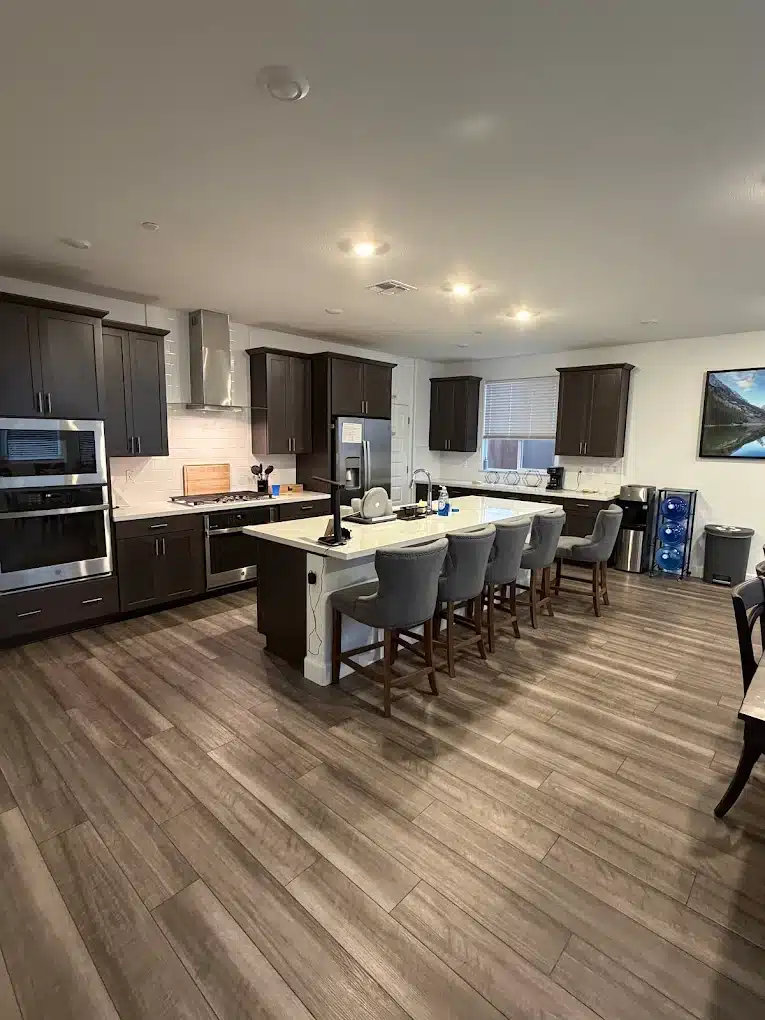
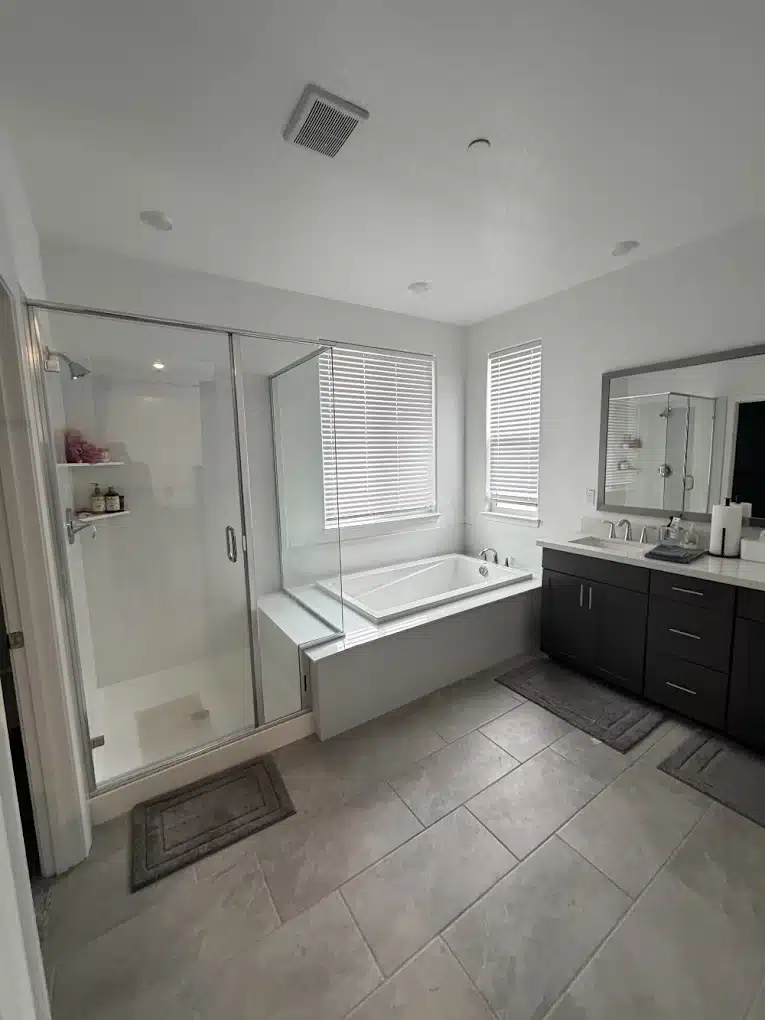
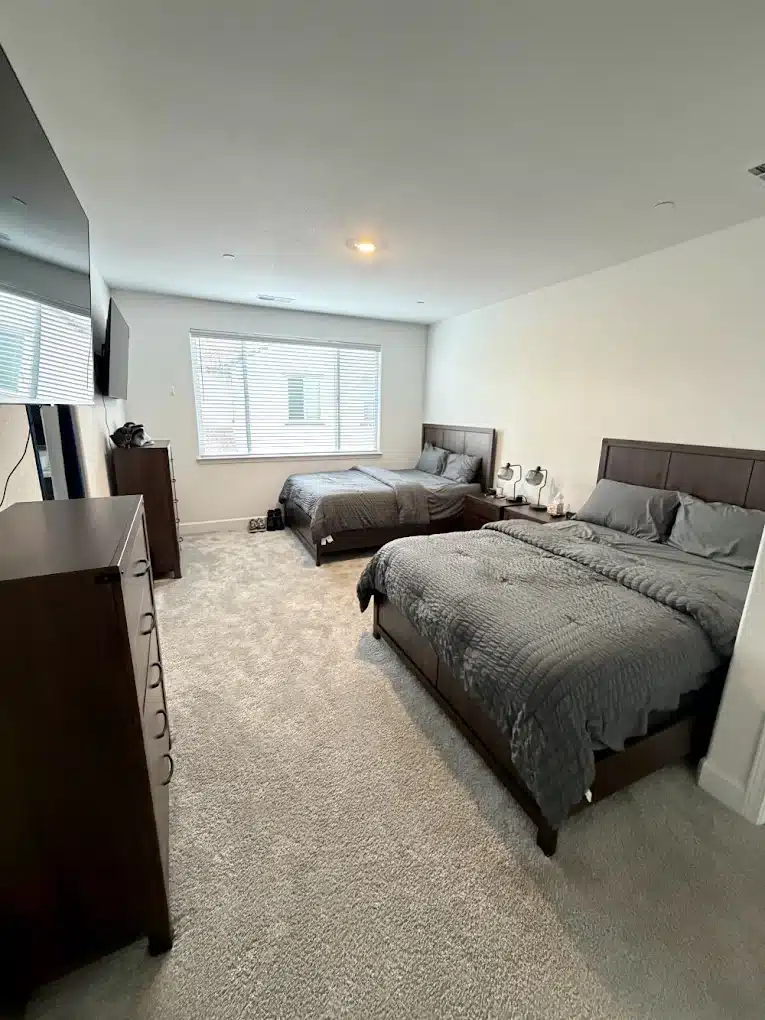
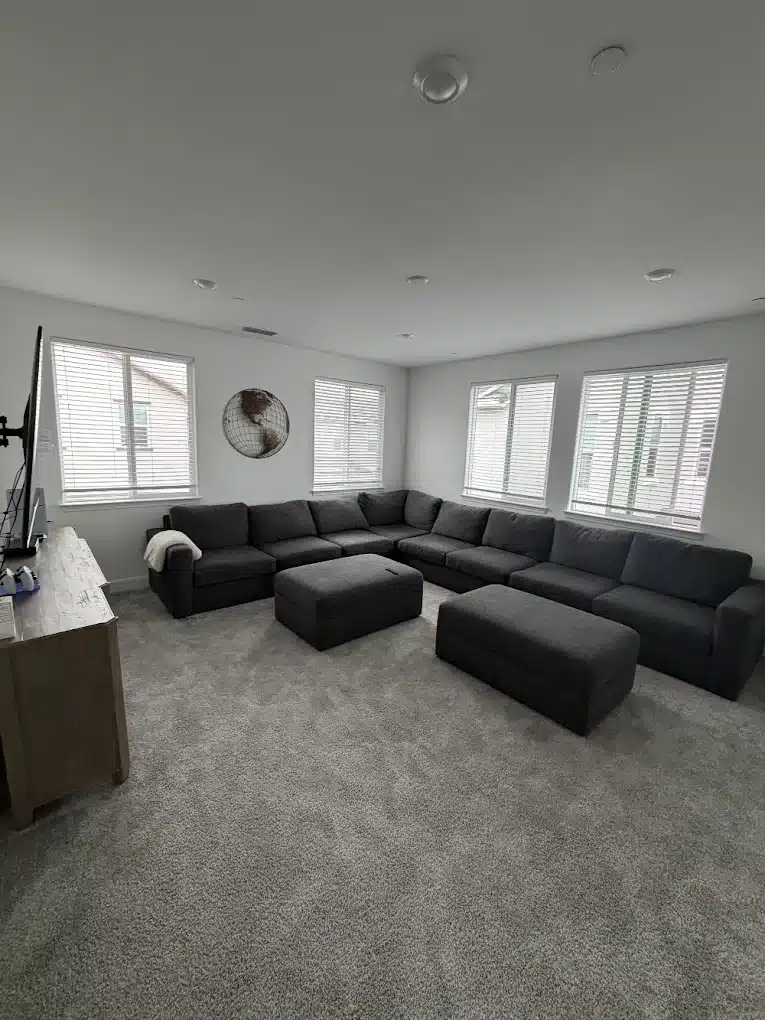
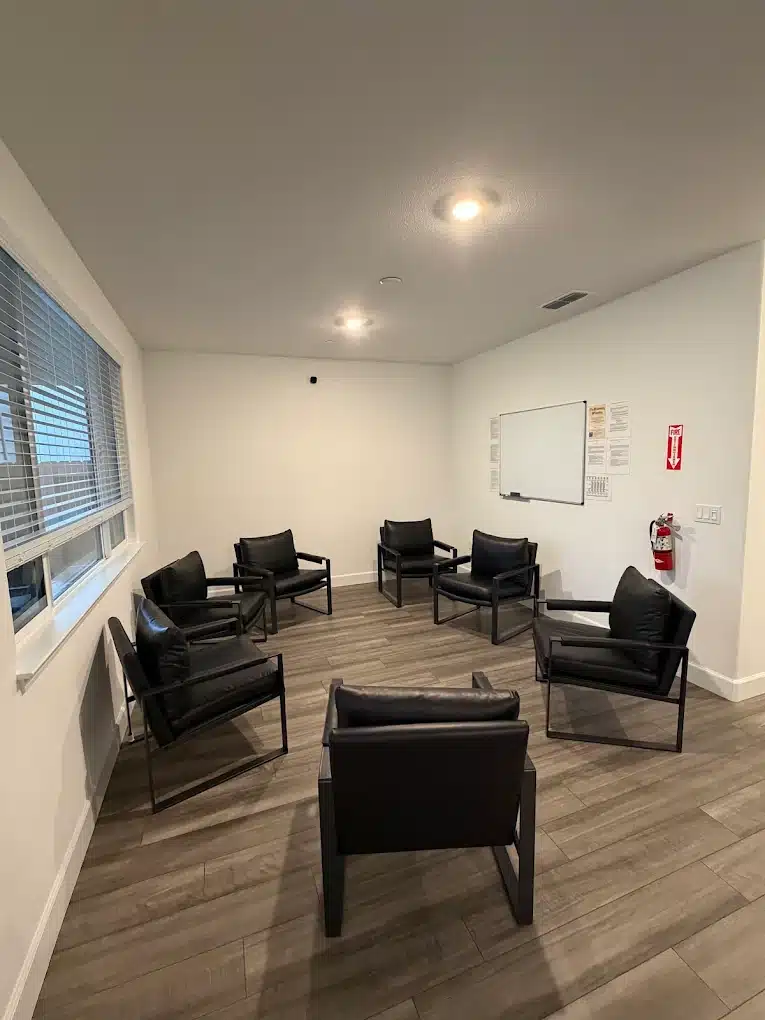
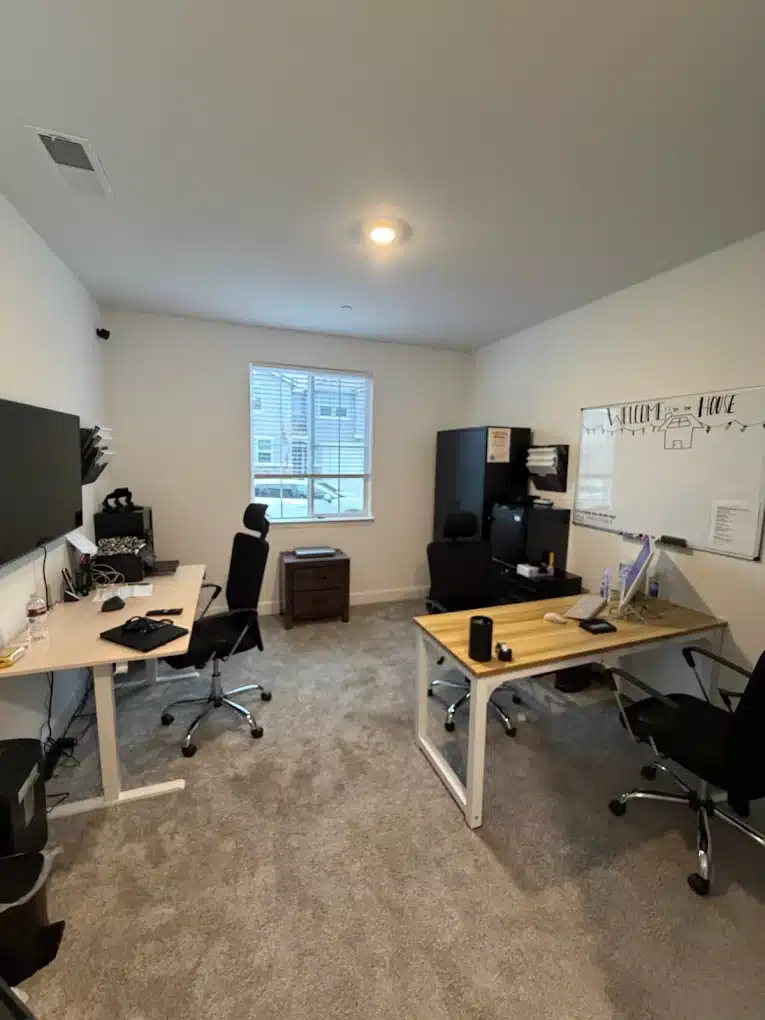
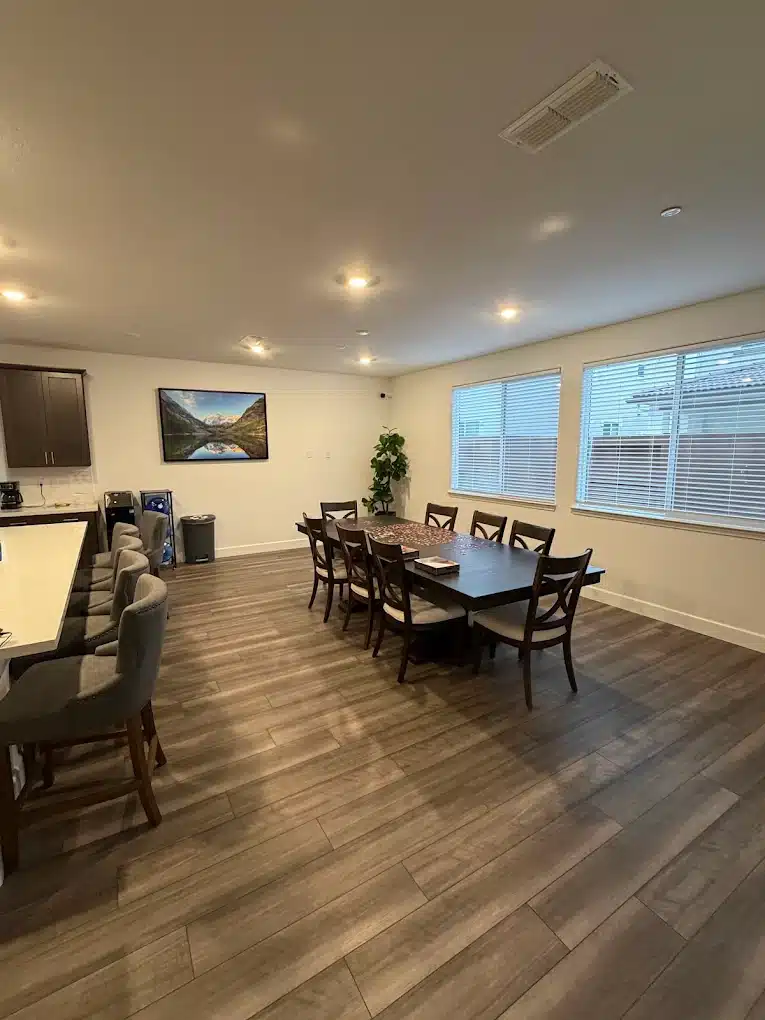
The work described on this page happens in a real place. Our 6-bed residential facility in Roseville is built around the principle that residential mental health treatment should feel residential — not institutional. Tour the spaces where the daily clinical work, group programming, and wellness practices actually take place.
The wellness program is included as part of residential treatment at Sacramento Mental Health — not a separate fee, not an upgrade tier. If residential care is covered through your benefits, the wellness components are part of that coverage.
Call (916) 527-9606 to discuss coverage and payment options, or to learn more about how the wellness program integrates with the rest of residential treatment.
Dr. Bonnie Mitchell is a behavioral health leader, clinician, and advocate dedicated to expanding access to compassionate, evidence-based mental health and substance use treatment. She earned her Doctor of Behavioral Health degree from Arizona State University in 2018, holds a Master’s degree in Clinical Counseling for Mental Health, and a Bachelor’s degree in Psychology. She is a Licensed Professional Clinical Counselor in California. Throughout her career, Dr. Mitchell has served in executive and clinical leadership roles including Executive Director, Regional Clinical Director, and C-suite behavioral health executive.