Home | Mental Health Disorders We Treat | Bipolar Disorder Treatment

Bipolar Disorder Treatment in Sacramento, CA

Bipolar Disorder is a chronic mood disorder characterized by episodes of mania or hypomania alternating with episodes of depression. The condition exists on a spectrum from Bipolar I (full manic episodes) through Bipolar II (hypomanic episodes with predominant depression) to cyclothymic disorder, and requires lifelong management rather than time-limited treatment. At our Cal DSS-licensed residential program in Roseville, our clinical team treats adults across Greater Sacramento and Placer County during acute episodes, post-hospitalization step-downs, and treatment-resistant or destabilizing periods. We admit and treat directly.

Related Conditions

Our Treatment Approach

Our clinical team treats bipolar disorder with the evidence-based combination of medication stabilization — mood stabilizers, atypical antipsychotics where indicated — and psychotherapy with strong research support for bipolar disorder, including Interpersonal and Social Rhythm Therapy (IPSRT) and CBT adapted for bipolar. The exact mix depends on what the comprehensive assessment reveals about the specific subtype, current episode, medication history, and co-occurring conditions. Every treatment plan is built and led by our Clinical Director, with medical oversight from our Medical Director.

Mood Stabilization — The Foundation of Bipolar Treatment

The core of bipolar treatment is medication-based mood stabilization. Lithium, lamotrigine, valproate, and selected atypical antipsychotics form the evidence-based foundation, with the specific combination chosen based on the subtype, episode pattern, and individual response history. Psychotherapy alone does not stabilize bipolar disorder. Medication alone does not address the lifestyle, interpersonal, and circadian factors that shape episode frequency. The combination is the treatment.

Why Residential Treatment Works for Acute Bipolar Episodes

Outpatient bipolar treatment works for many adults during stable periods between episodes. During acute episodes — significant depression, hypomania or mania, recent hospitalization step-down, or destabilization on current medications — outpatient care often isn’t enough. Our residential program provides daily clinical contact, immediate medication adjustment, structured daily rhythm that supports mood regulation, and the safety of a clinical environment when the episode requires it.

Our Residential Structure

Sacramento Mental Health provides around 30 days of structured residential care, followed by a coordinated step-down to outpatient psychiatry and therapy. For bipolar specifically, the residential window stabilizes the current episode, establishes or refines medication, builds the daily structure that supports long-term mood regulation, and equips the individual with the relapse-prevention infrastructure for the months ahead. Bipolar requires lifelong management — the residential stay is one intensive period within a longer arc.

When Residential Bipolar Treatment Is Right for You

Outpatient care works for many adults with bipolar during stable periods. Residential treatment becomes the right next step when the current episode or pattern has crossed into territory outpatient care can’t safely manage.

  • Active acute episode — significant depression, hypomania, or mania
  • Recent hospital discharge needing structured step-down
  • Treatment-resistant or rapid-cycling pattern
  • Suspected bipolar diagnosis needing reassessment
  • Active suicidality during a depressive episode
  • Co-occurring substance use destabilizing the bipolar pattern

What to Expect — Your First 30 Days

A typical residential stay at Sacramento Mental Health unfolds in phases. The schedule adapts to each person, but the structure is consistent — beginning with assessment and stabilization, moving through medication optimization and therapy work, and ending with discharge planning that connects each person to outpatient psychiatry and therapy for the months ahead.

Day 1 — Comprehensive assessment and intake. Clinical evaluation, psychiatric history, episode history, medication review, safety assessment, and a treatment plan tailored to the specific subtype and current episode.

Days 1-3 — Stabilization and orientation. Settling into the residential environment, medication evaluation and adjustment, meeting the clinical team, and beginning structured daily programming with attention to sleep and circadian rhythm.

Week 1 — Foundation. Psychoeducation about bipolar disorder and lifestyle factors, beginning therapy work, and continued medication titration as response clarifies.

Weeks 2-3 — Therapy and medication optimization. Sustained therapy work (IPSRT, CBT for bipolar), continued medication management, and integration of relapse-prevention skills.

Week 4 — Step-down planning and transition. Coordinating outpatient psychiatry and therapy with another organization, equipping the individual and family with a long-term relapse-prevention plan and a clear picture of the warning signs that warrant earlier clinical contact.


Explore Treatment Approaches

Why Choose the Mental Health Treatment and Stabilization Center of Sacramento

Choosing where to admit yourself or a family member during an acute bipolar episode is one of the most consequential clinical decisions in the bipolar treatment trajectory. The right program needs more than a quiet environment. It needs medical leadership that actually manages bipolar pharmacology — not just antidepressant prescribing — and the diagnostic clarity to distinguish bipolar depression from unipolar depression when the picture is complicated. It needs the safety and structure to manage acute episodes. It needs integrated care for the substance use and anxiety that so often complicate the bipolar pattern. Here is what makes our Roseville program the right fit for adults with bipolar disorder across Greater Sacramento and Placer County.


Bipolar-Specific Medication Strategy

Our medical director leads the mood stabilizer and antipsychotic strategy that bipolar disorder actually requires — not just antidepressant titration that can destabilize the underlying pattern.

Diagnostic Reassessment for Complex Presentations

Bipolar II is one of the most commonly misdiagnosed mental health conditions, often presenting as recurrent unipolar depression with the hypomanic episodes going unrecognized. Our clinical team does the diagnostic work that opens the actual treatment path.

Co-Occurring Substance Use Expertise

Substance use co-occurs with bipolar disorder at significantly higher rates than the general population, and the two destabilize each other. Our integrated dual-diagnosis approach treats both concurrently — the evidence-based standard for co-occurring bipolar and substance use.

Direct Provider, Not a Referral Service

We admit and treat adults directly at our Cal DSS-licensed residential facility. Families don’t have to navigate a referral chain or wait for someone else to call back. Cal DSS Facility License #315920208 reflects state-verified clinical, safety, and operational standards.

Placer County’s Residential Mental Health Home

Most residential mental health programs in Northern California are clustered in Sacramento proper. Our Roseville location gives Placer County residents — Rocklin, Lincoln, Loomis, Auburn — a residential option without a long drive across the county line.

Next Steps

Where you are in this matters. Find the path that fits where you are right now.

If you're ready to talk

A 15-minute call with our admissions team is the fastest way to get clarity. We’ll cover symptoms, fit, coverage, and timeline.

Call (916) 527-9606

If you're not sure residential treatment is right

Many people start by sitting with the question of whether residential care is the right next step. A comprehensive clinical assessment is the most reliable way to find out — it maps the diagnostic picture, severity, any co-occurring conditions, and the level of care that actually fits.

Learn how the comprehensive assessment works

If you're researching for a loved one

Bringing residential treatment into a family conversation is hard. Start by meeting the clinical team who would actually treat your loved one, and seeing how admissions handles family involvement.

Meet our clinical team

Coverage and Payment

Sacramento Mental Health works with families to make residential mental health care accessible. Call (916) 527-9606 to discuss coverage and payment options with our admissions team.

See What Our Clients are Saying

Tour Our Facility

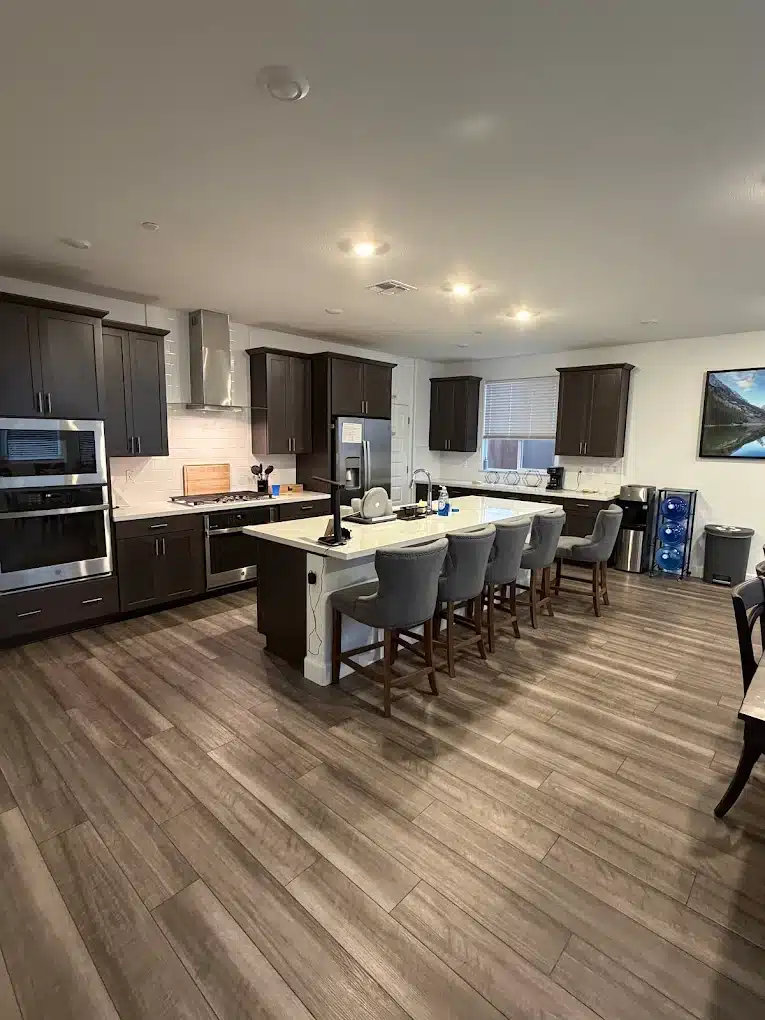
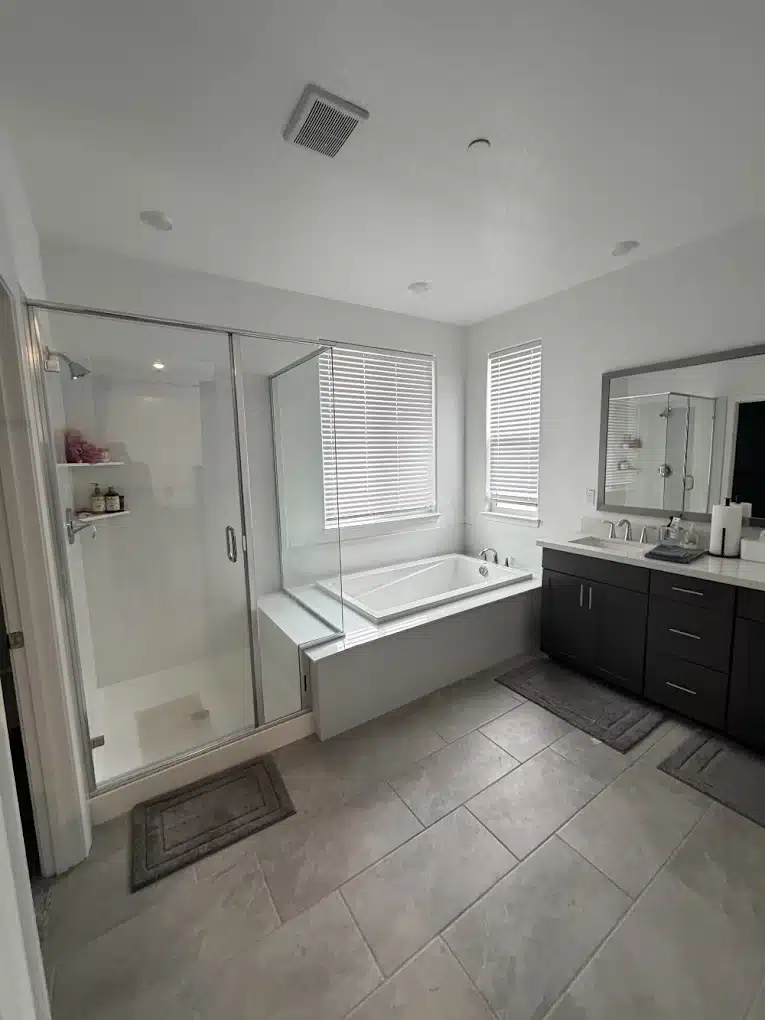
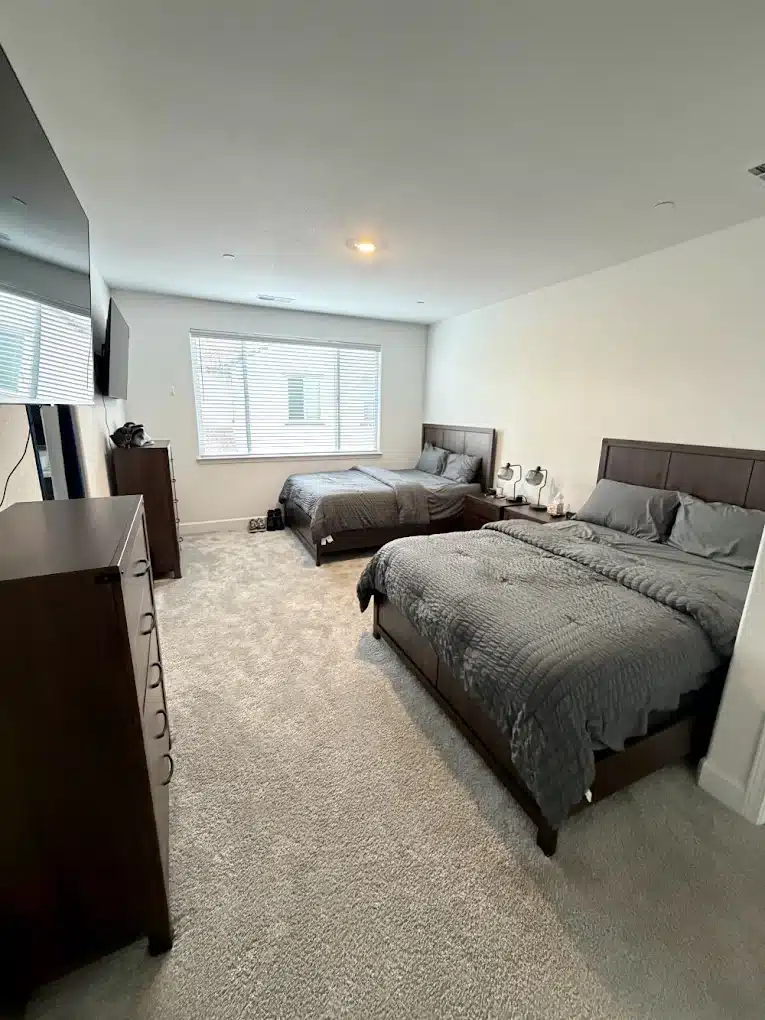
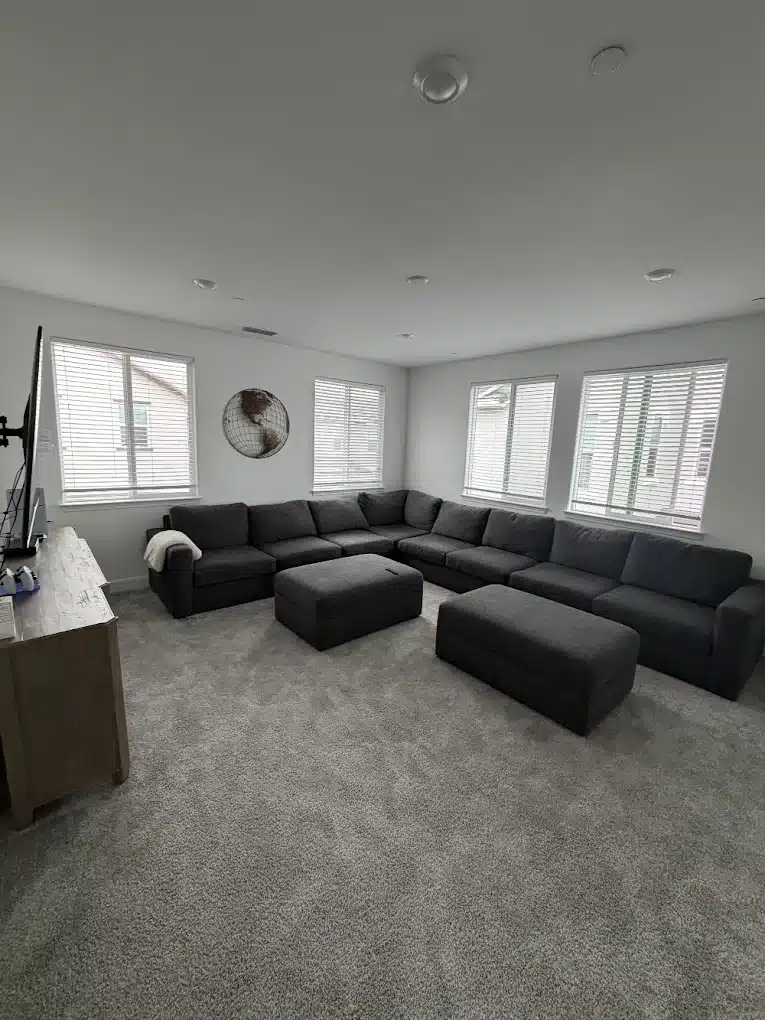
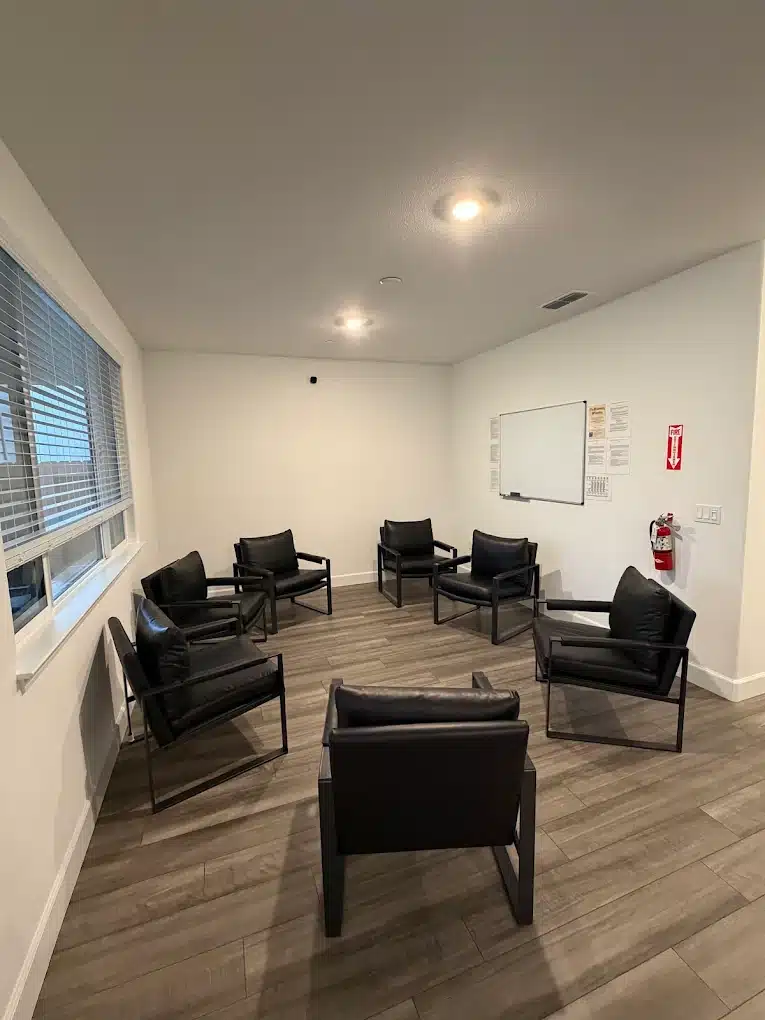
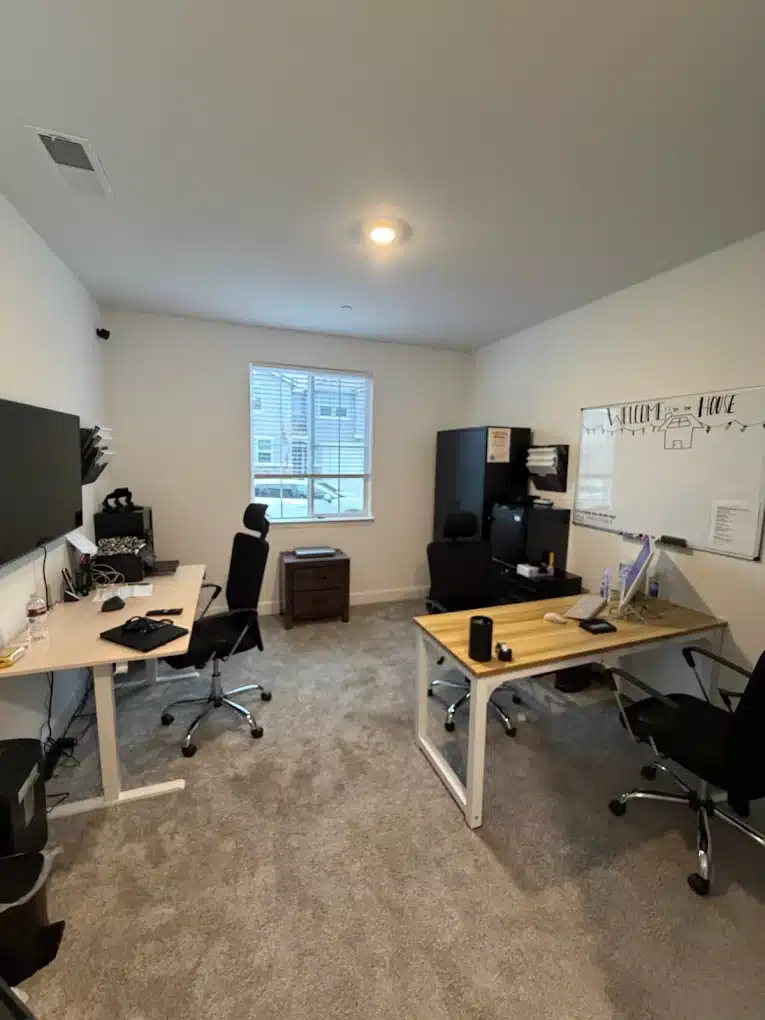
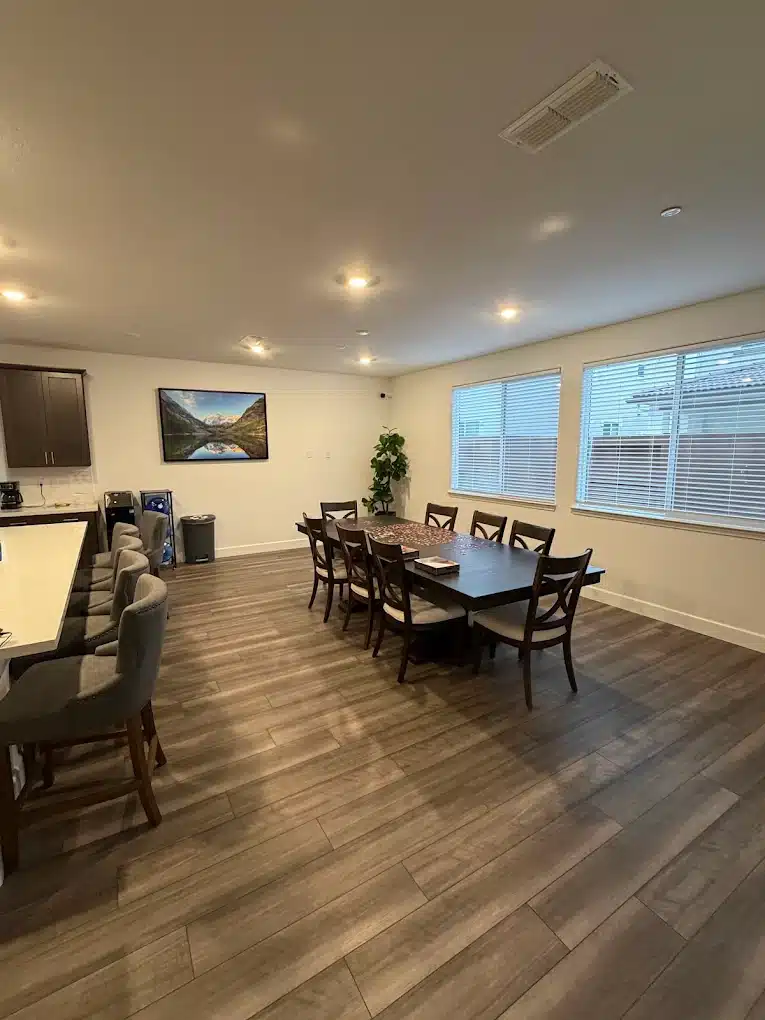
The work described on this page happens in a real place. Our 6-bed residential facility in Roseville is built around the principle that residential mental health treatment should feel residential — not institutional. Tour the spaces where the daily clinical work, group programming, and wellness practices actually take place.

Frequently Asked Questions

What is bipolar disorder?
Bipolar Disorder is a chronic mood disorder characterized by episodes of mania or hypomania alternating with episodes of depression. The condition exists on a spectrum: Bipolar I (full manic episodes), Bipolar II (hypomanic episodes with predominant depression), and cyclothymic disorder. Average age of onset is the early twenties, and the condition requires lifelong management rather than time-limited treatment.
What is the most effective treatment for bipolar disorder?
The evidence-based treatment for bipolar disorder combines medication — mood stabilizers (lithium, lamotrigine, valproate), atypical antipsychotics where indicated — with psychotherapy that has research support for bipolar specifically (Interpersonal and Social Rhythm Therapy, CBT for bipolar, family-focused therapy). Medication alone doesn't address the lifestyle and interpersonal factors. Psychotherapy alone doesn't stabilize the mood pattern. The combination is the treatment.
What's the difference between Bipolar I and Bipolar II?
Bipolar I involves full manic episodes lasting at least one week (or any duration requiring hospitalization), typically alternating with depressive episodes. Bipolar II involves hypomanic episodes (less severe and shorter than full mania) alternating with major depressive episodes. Bipolar II is often misdiagnosed as recurrent unipolar depression because the depression brings people into treatment while the hypomania feels like productivity.
When is residential treatment necessary for bipolar disorder?
Residential treatment becomes the right step during acute episodes — significant depression, hypomania, or mania — recent hospitalization step-down, treatment-resistant or rapid-cycling patterns, suspected bipolar diagnosis needing reassessment, active suicidality during depression, or co-occurring substance use destabilizing the bipolar pattern. The clinical assessment is the most reliable way to determine fit.
How long does residential bipolar treatment last?
A typical residential stay at Sacramento Mental Health is around 30 days, followed by a coordinated step-down to outpatient psychiatry and therapy through another organization. The residential window stabilizes the current episode, refines medication, builds daily structure, and equips the individual with relapse-prevention infrastructure. Bipolar requires lifelong management — the residential stay is one intensive period within a longer treatment arc.
Why are antidepressants alone risky for bipolar depression?
The depressive phase of bipolar disorder is clinically distinct from unipolar depression. Antidepressants alone can destabilize the underlying bipolar pattern, sometimes triggering mania, hypomania, or rapid cycling. Bipolar depression is treated with mood stabilizers, atypical antipsychotics with bipolar depression indications, and evidence-based psychotherapy — antidepressants are added cautiously when at all, alongside mood stabilization.
What conditions commonly co-occur with bipolar disorder?
Bipolar disorder commonly co-occurs with substance use disorders, anxiety disorders, ADHD, and (less frequently) eating disorders. Substance use co-occurs at significantly higher rates than the general population — and the substance use destabilizes the bipolar pattern. Integrated dual-diagnosis treatment is the evidence-based standard for co-occurring bipolar and substance use.
How do I discuss coverage and payment for residential treatment?
Coverage for residential mental health care varies significantly by situation. The clearest first step is a brief conversation with our admissions team — they can walk through coverage and payment options specific to your circumstances. Call (916) 527-9606 to discuss.

Medically Reviewed By

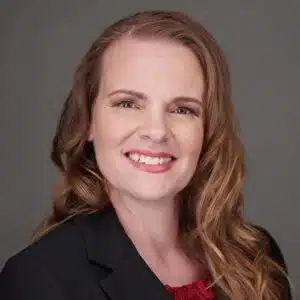
Picture of Dr. Bonnie J. Mitchell DBH, LPCC

Dr. Bonnie J. Mitchell DBH, LPCC

Dr. Bonnie Mitchell is a behavioral health leader, clinician, and advocate dedicated to expanding access to compassionate, evidence-based mental health and substance use treatment. She earned her Doctor of Behavioral Health degree from Arizona State University in 2018, holds a Master’s degree in Clinical Counseling for Mental Health, and a Bachelor’s degree in Psychology. She is a Licensed Professional Clinical Counselor in California. Throughout her career, Dr. Mitchell has served in executive and clinical leadership roles including Executive Director, Regional Clinical Director, and C-suite behavioral health executive.