Music Therapy in Sacramento, CA

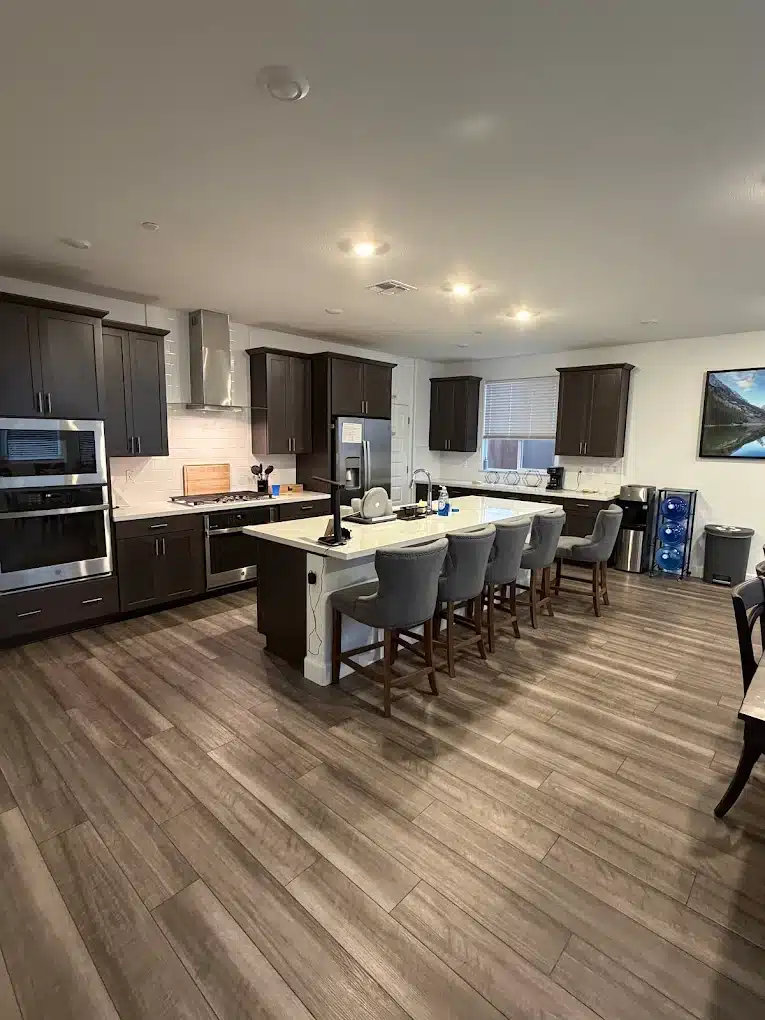
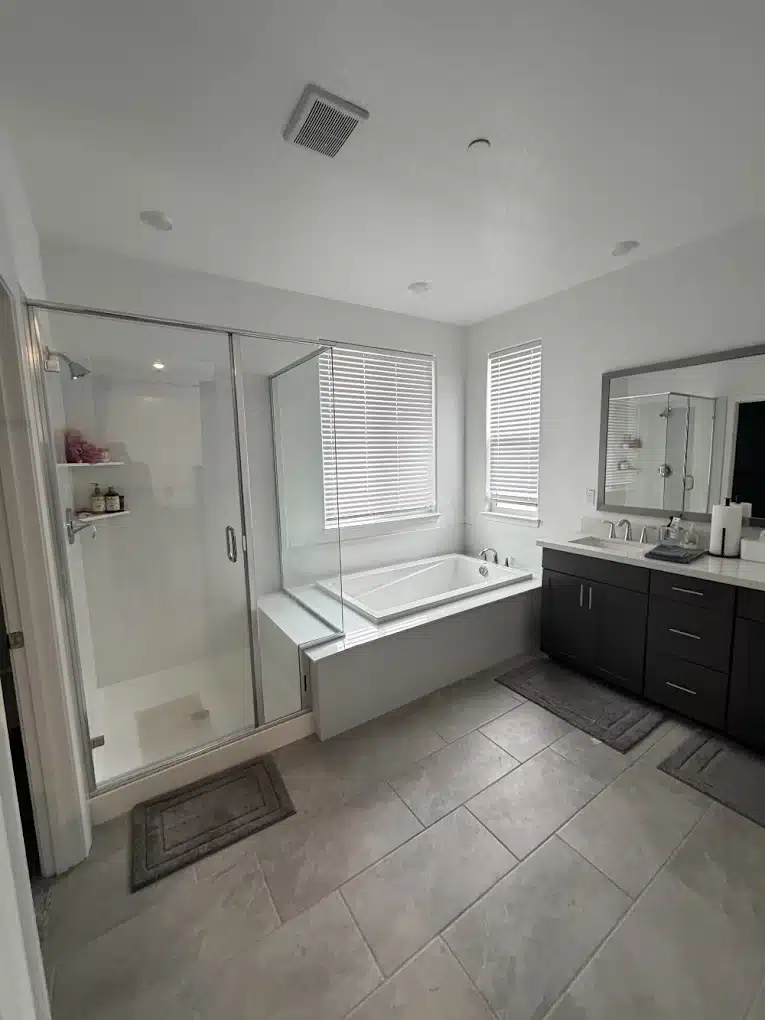
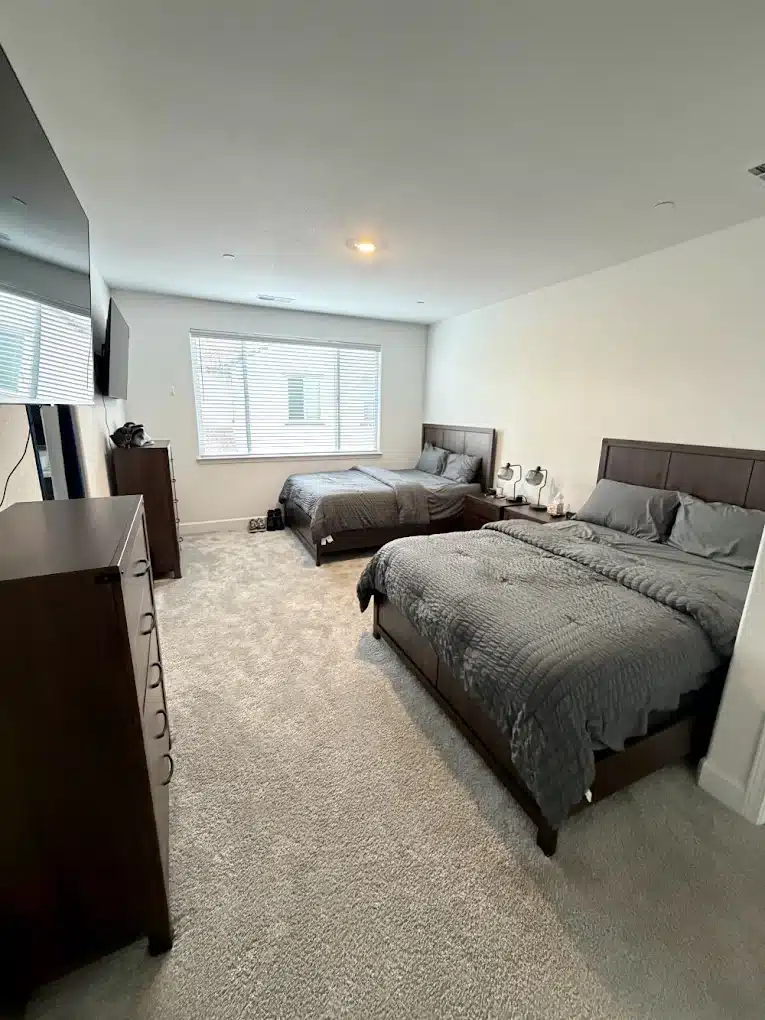
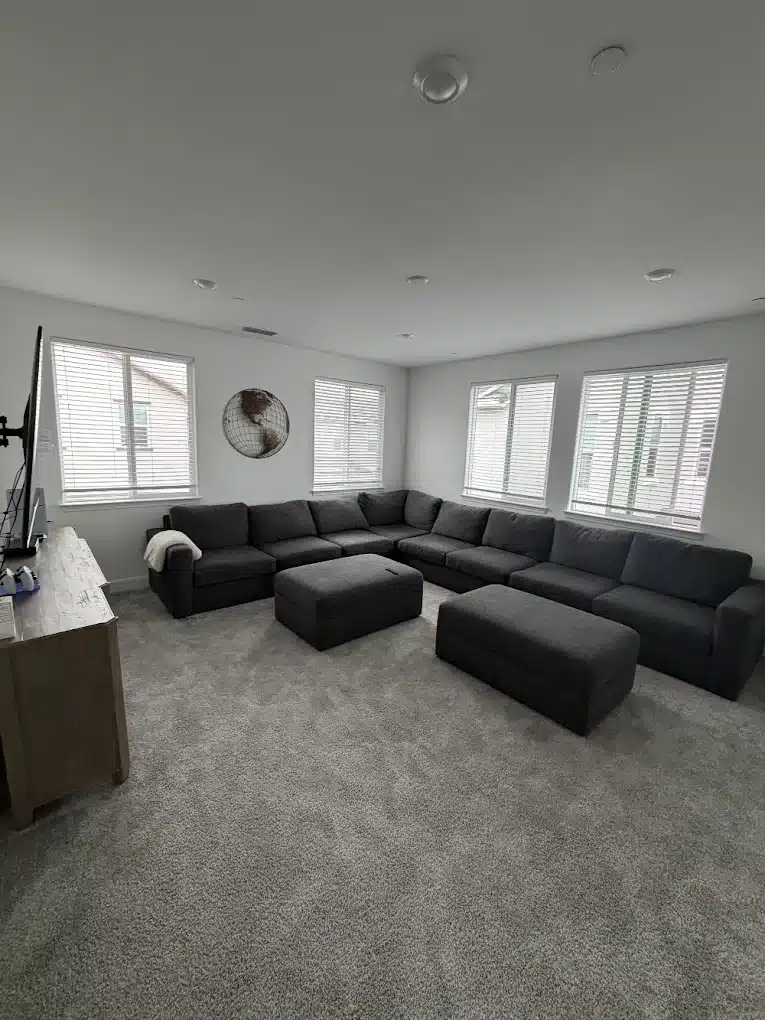
Music Therapy is the clinical use of music interventions — listening, playing, songwriting, improvisation, and structured musical engagement — to address mental health symptoms and support recovery alongside evidence-based clinical protocols. Music therapy is particularly valuable as an expressive outlet for adults whose experience is difficult to access through purely verbal therapy. At our Cal DSS-licensed residential program in Roseville, music therapy is integrated alongside the broader clinical work for adults across Greater Sacramento and Placer County. We admit and treat directly.

Related Conditions

Our Treatment Approach

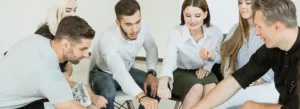
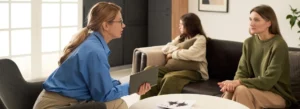
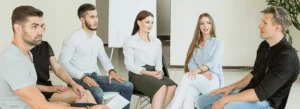
Music therapy at Sacramento Mental Health is delivered through structured group sessions integrated into the residential program, providing an expressive and supportive layer alongside the evidence-based clinical work on the primary diagnosis. Every treatment plan is built and led by our Clinical Director, with medical oversight from our Medical Director.

How Music Therapy Works Clinically

Music therapy operates through multiple mechanisms simultaneously. The receptive component — structured listening to selected music — supports emotion regulation, relaxation, and processing of experience that verbal discussion alone may not reach. The expressive component — playing, singing, songwriting, improvisation — provides outlets for affect and experience that the person may not have words for. The social and group component supports peer connection and shared experience in ways that individual verbal therapy doesn’t replicate. The embodied component engages the body and breath in ways that purely cognitive work cannot.

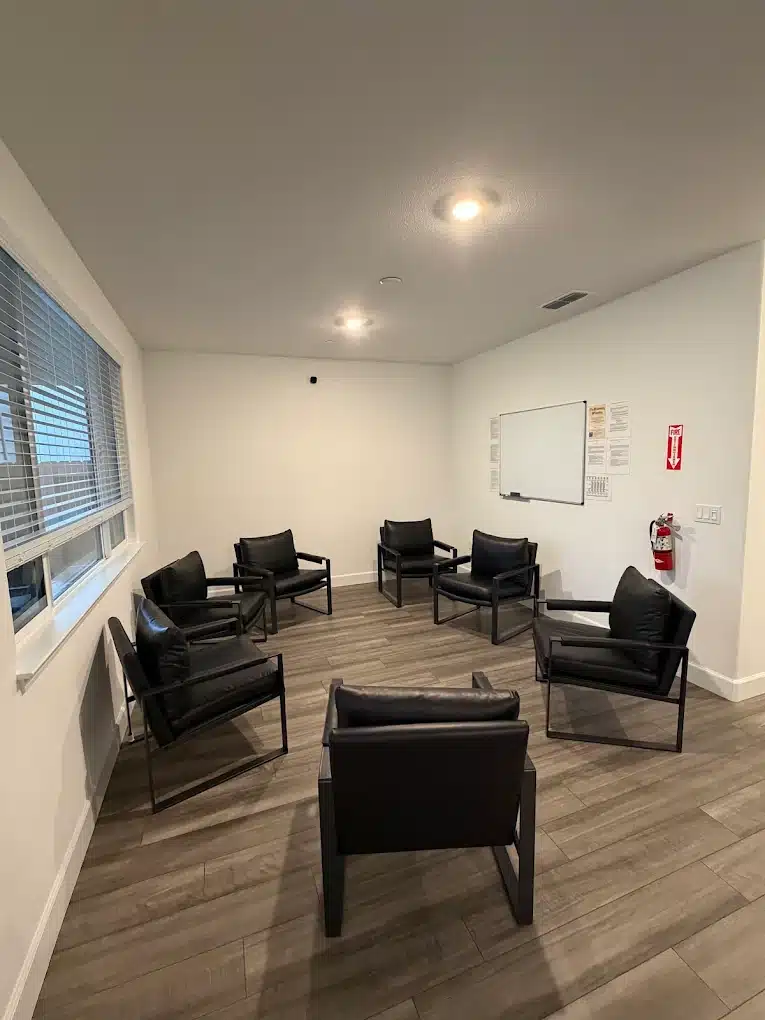
Music Therapy in a Residential Setting

The residential environment supports music therapy in ways outpatient settings can’t replicate. Daily access to structured musical engagement. Group programming that builds shared experience over the residential stay. Integration with the broader clinical work — what surfaces in music therapy can be addressed in individual sessions later that day. The intensity of the residential setting produces depth of musical and clinical engagement that weekly outpatient music therapy often can’t reach.

Integration With Evidence-Based Clinical Treatment

Music therapy is integrated alongside the evidence-based clinical protocols rather than replacing them. CBT, DBT, ERP, trauma-focused therapy, and medication management deliver the specific interventions for the diagnosis. Music therapy provides the supportive and expressive layer that strengthens those interventions and reaches material they may not access.

When Music Therapy-Integrated Residential Treatment Fits

Music therapy is integrated across our residential program. Adults whose primary need is residential mental health treatment benefit from music therapy as part of the broader program, particularly when the condition has limited verbal expressive capacity or when expressive outlets support the broader recovery work.

  • Depression with limited verbal expression and engagement
  • PTSD or complex trauma where verbal trauma-focused work needs supportive layers
  • Anxiety disorders requiring non-verbal emotion regulation support
  • Severe mental illness requiring social and expressive engagement
  • Substance use recovery benefiting from expressive and supportive outlets
  • Adults for whom verbal therapy alone hasn’t reached the full clinical picture

Explore Treatment Approaches

Why Choose the Mental Health Treatment and Stabilization Center of Sacramento

Choosing where to admit yourself or a family member for residential treatment is a consequential clinical decision in part because expressive outlets and supportive layers shape whether the formal clinical work reaches its full effect. The right program needs evidence-based clinical protocols for the primary diagnosis, but also the integrated expressive and supportive layers that strengthen those protocols and reach material they may not access. Here is what makes our Roseville program the right fit for adults benefiting from music therapy-integrated care across Greater Sacramento and Placer County.

Music Therapy Integrated Into the Program

Music therapy is built into the residential program structure rather than offered as an occasional optional add-on. The daily access and group continuity produce depth of engagement that outpatient music therapy can’t replicate.

Integration With Evidence-Based Clinical Work

What surfaces in music therapy can be addressed in individual sessions and integrated with the formal clinical work on the primary diagnosis. The two layers reinforce each other rather than running as separate tracks.

Expressive Outlet for Adults Who Need It

For adults whose experience is difficult to access through verbal therapy alone — due to trauma history, alexithymia, neurodevelopmental considerations, or personal style — music therapy provides an alternative pathway alongside the broader treatment.

Direct Provider, Not a Referral Service

We admit and treat adults directly at our Cal DSS-licensed residential facility. Families don’t have to navigate a referral chain or wait for someone else to call back. Cal DSS Facility License #315920208 reflects state-verified clinical, safety, and operational standards.

Placer County’s Residential Mental Health Home

Most residential mental health programs in Northern California are clustered in Sacramento proper. Our Roseville location gives Placer County residents — Rocklin, Lincoln, Loomis, Auburn — a residential option without a long drive across the county line.

Next Steps

Where you are in this matters. Find the path that fits where you are right now.

If you're ready to talk

A 15-minute call with our admissions team is the fastest way to get clarity. We’ll cover symptoms, fit, coverage, and timeline.

Call (916) 527-9606

If you're not sure residential treatment is right

Many people start by sitting with the question of whether residential care is the right next step. A comprehensive clinical assessment is the most reliable way to find out — it maps the diagnostic picture, severity, any co-occurring conditions, and the level of care that actually fits.

Learn how the comprehensive assessment works

If you're researching for a loved one

Bringing residential treatment into a family conversation is hard. Start by meeting the clinical team who would actually treat your loved one, and seeing how admissions handles family involvement.

Meet our clinical team

Coverage and Payment

Sacramento Mental Health works with families to make residential mental health care accessible. Call (916) 527-9606 to discuss coverage and payment options with our admissions team.

See What Our Clients are Saying

Frequently Asked Questions

What is music therapy?
Music Therapy is the clinical use of music interventions — listening, playing, songwriting, improvisation, and structured musical engagement — to address mental health symptoms and support recovery alongside evidence-based clinical protocols. Music therapy has been recognized as a clinical discipline in the United States since the mid-twentieth century, delivered by board-certified music therapists (MT-BC) in medical, mental health, and rehabilitation settings.
What conditions does music therapy support?
Music therapy has evidence support for depression, anxiety, PTSD and trauma, severe mental illness, substance use recovery, and across many conditions where expressive and supportive outlets strengthen the formal clinical work. It is particularly valuable for adults whose experience is difficult to access through purely verbal therapy.
Does music therapy replace traditional therapy?
No. Music therapy is integrated alongside evidence-based clinical protocols (CBT, DBT, ERP, trauma-focused therapy, medication management) rather than replacing them. The formal clinical work delivers the specific interventions for the diagnosis. Music therapy provides supportive and expressive layers that strengthen those interventions and reach material they may not access.
Do I need to be musical to benefit from music therapy?
No. Music therapy is not music education or performance. Adults benefit from music therapy regardless of musical training or skill — the clinical mechanisms work through receptive (listening), expressive (any sound-making), and embodied dimensions that don't require musical proficiency. The clinical engagement is what matters, not musical performance.
How is music therapy delivered in residential care?
Music therapy at Sacramento Mental Health is delivered through structured group sessions integrated into the residential program. The daily access and group continuity produce depth of engagement that weekly outpatient music therapy often can't reach. What surfaces in music therapy is then integrated with the formal clinical work on the primary diagnosis.
What's the evidence base for music therapy?
Music therapy has substantial research support for depression, anxiety, PTSD, dementia care, autism, and pediatric medical contexts. The mechanisms — emotion regulation, expressive outlet, embodied engagement, social connection — are well-established. As with most adjunctive modalities, music therapy is most effective when integrated alongside evidence-based clinical protocols rather than as standalone treatment for severe mental health conditions.
How long does residential music therapy-integrated treatment last?
A typical residential stay at Sacramento Mental Health is around 30 days, followed by a coordinated step-down to outpatient care through another organization. Music therapy is integrated across the residential program. The expressive and supportive engagement built during the residential stay continues to support recovery alongside formal outpatient clinical work after discharge.
How do I discuss coverage and payment for residential treatment?
Coverage for residential mental health care varies significantly by situation. The clearest first step is a brief conversation with our admissions team — they can walk through coverage and payment options specific to your circumstances. Call (916) 527-9606 to discuss.


Medically Reviewed By

Picture of Dr. Bonnie J. Mitchell DBH, LPCC

Dr. Bonnie J. Mitchell DBH, LPCC

Dr. Bonnie Mitchell is a behavioral health leader, clinician, and advocate dedicated to expanding access to compassionate, evidence-based mental health and substance use treatment. She earned her Doctor of Behavioral Health degree from Arizona State University in 2018, holds a Master’s degree in Clinical Counseling for Mental Health, and a Bachelor’s degree in Psychology. She is a Licensed Professional Clinical Counselor in California. Throughout her career, Dr. Mitchell has served in executive and clinical leadership roles including Executive Director, Regional Clinical Director, and C-suite behavioral health executive.