Home | Evidence-Based Treatment Modalities | Mindfulness-Based Stress Reduction

Mindfulness-Based Stress Reduction in Sacramento, CA

Mindfulness-Based Stress Reduction (MBSR) is an evidence-based clinical program developed in the late 1970s by Jon Kabat-Zinn at the University of Massachusetts Medical Center. The program teaches structured mindfulness practice — meditation, body scanning, and gentle movement — to build the capacity to engage with stress, chronic pain, anxiety, and depression in ways that reduce suffering and improve quality of life. At our Cal DSS-licensed residential program in Roseville, our clinical team integrates MBSR-aligned mindfulness practice with the broader evidence-based treatment of adults across Greater Sacramento and Placer County. We admit and treat directly.


Related Conditions

Our Treatment Approach

Our clinical team integrates MBSR-aligned mindfulness practice throughout the residential program — through structured daily practice sessions, individual therapy that draws on mindfulness skills, and the broader treatment work for the primary diagnosis. Every treatment plan is built and led by our Clinical Director, with medical oversight from our Medical Director.

How MBSR Works Clinically

MBSR works by developing a specific capacity — sustained, non-judgmental attention to present-moment experience — that changes the relationship to difficult internal experience over time. The practices are simple in structure: focused attention on breath, body scanning that systematically attends to sensation in different body regions, mindful movement that pairs awareness with physical activity, and open awareness practice that observes thoughts and feelings without engaging them as truths or threats. Repeated practice produces measurable changes in the brain regions associated with attention regulation, emotion regulation, and self-referential thinking.

Why Residential Mindfulness Practice Works

Mindfulness skills require sustained practice to develop. Outpatient mindfulness work — typically a weekly session and homework practice that often gets sidelined — builds capacity slowly. The residential setting provides daily structured practice supported by the clinical team, integrated with the rest of the treatment work, and reinforced through the daily environment. The skill capacity that takes months to develop in outpatient settings often develops in weeks during residential care.

MBSR at Sacramento Mental Health

Mindfulness practice is integrated across the residential program — through structured daily practice sessions, in individual therapy where mindfulness skills support the diagnosis-specific clinical work, in DBT skills group, and in the daily structure of the residential environment. The practice supports rather than replaces the diagnosis-specific evidence-based treatment, providing a foundational skill capacity that strengthens the rest of the clinical work.

When Residential Mindfulness-Integrated Treatment Is the Right Step

Mindfulness practice is integrated across our residential program rather than being a standalone admission criterion. Adults whose primary need is residential mental health treatment benefit from the mindfulness work alongside the diagnosis-specific approaches.

  • Anxiety or depression where rumination and reactive patterns are central
  • Chronic stress, burnout, or chronic pain co-occurring with mental health symptoms
  • BPD or emotion dysregulation requiring DBT-based mindfulness skill
  • PTSD requiring grounding and emotion regulation skills alongside trauma-focused work
  • Treatment-resistant patterns where standard cognitive approaches haven’t worked
  • Recurrent depression where MBCT-aligned work supports relapse prevention

Explore Treatment Approaches

Why Choose the Mental Health Treatment and Stabilization Center of Sacramento

Choosing where to admit yourself or a family member for residential mental health treatment is a consequential decision in part because the depth of integration of supportive practices like MBSR-aligned mindfulness shapes outcomes. The right program needs clinical leadership that understands how mindfulness practice supports the diagnosis-specific clinical work, structured daily practice rather than tokenized mention, and the integration with DBT, ACT, and trauma-focused approaches that share mindfulness as a foundation. Here is what makes our Roseville program the right fit for adults benefiting from mindfulness-integrated care across Greater Sacramento and Placer County.

MBSR-Aligned Practice Integrated Daily

Mindfulness practice is woven into the daily residential structure rather than offered as an occasional optional group — structured daily practice sessions, mindfulness components in individual therapy, and reinforcement through the daily environment.

Integrated With DBT, ACT, and Trauma-Focused Modalities

Mindfulness is foundational to DBT, ACT, and many trauma-focused approaches. Our integrated treatment ensures the mindfulness work supports rather than competes with the broader clinical approach.

Structured Practice in a Residential Setting

The residential environment supports the sustained daily practice that mindfulness capacity actually requires — what takes months to develop outpatient often develops in weeks during residential care.

Direct Provider, Not a Referral Service

We admit and treat adults directly at our Cal DSS-licensed residential facility. Families don’t have to navigate a referral chain or wait for someone else to call back. Cal DSS Facility License #315920208 reflects state-verified clinical, safety, and operational standards.

Placer County’s Residential Mental Health Home

Most residential mental health programs in Northern California are clustered in Sacramento proper. Our Roseville location gives Placer County residents — Rocklin, Lincoln, Loomis, Auburn — a residential option without a long drive across the county line.

Next Steps

Where you are in this matters. Find the path that fits where you are right now.

If you're ready to talk

A 15-minute call with our admissions team is the fastest way to get clarity. We’ll cover symptoms, fit, coverage, and timeline.

Call (916) 527-9606

If you're not sure residential treatment is right

Many people start by sitting with the question of whether residential care is the right next step. A comprehensive clinical assessment is the most reliable way to find out — it maps the diagnostic picture, severity, any co-occurring conditions, and the level of care that actually fits.

Learn how the comprehensive assessment works

If you're researching for a loved one

Bringing residential treatment into a family conversation is hard. Start by meeting the clinical team who would actually treat your loved one, and seeing how admissions handles family involvement.

Meet our clinical team

Coverage and Payment

Sacramento Mental Health works with families to make residential mental health care accessible. Call (916) 527-9606 to discuss coverage and payment options with our admissions team.

See What Our Clients are Saying

Tour Our Facility

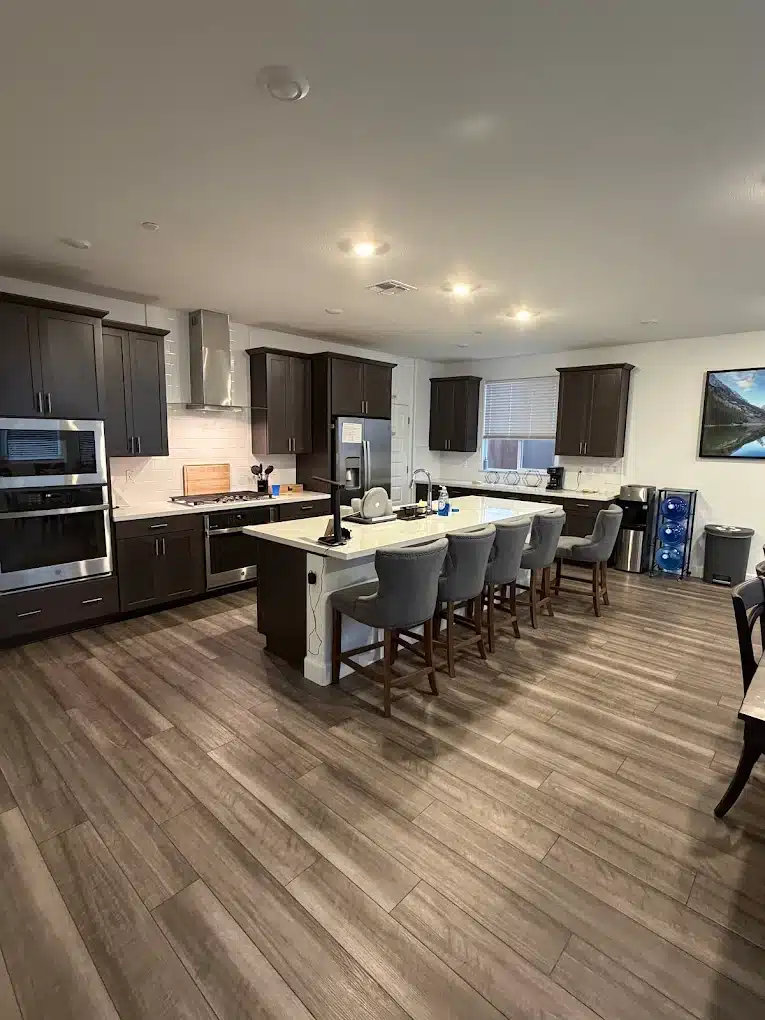
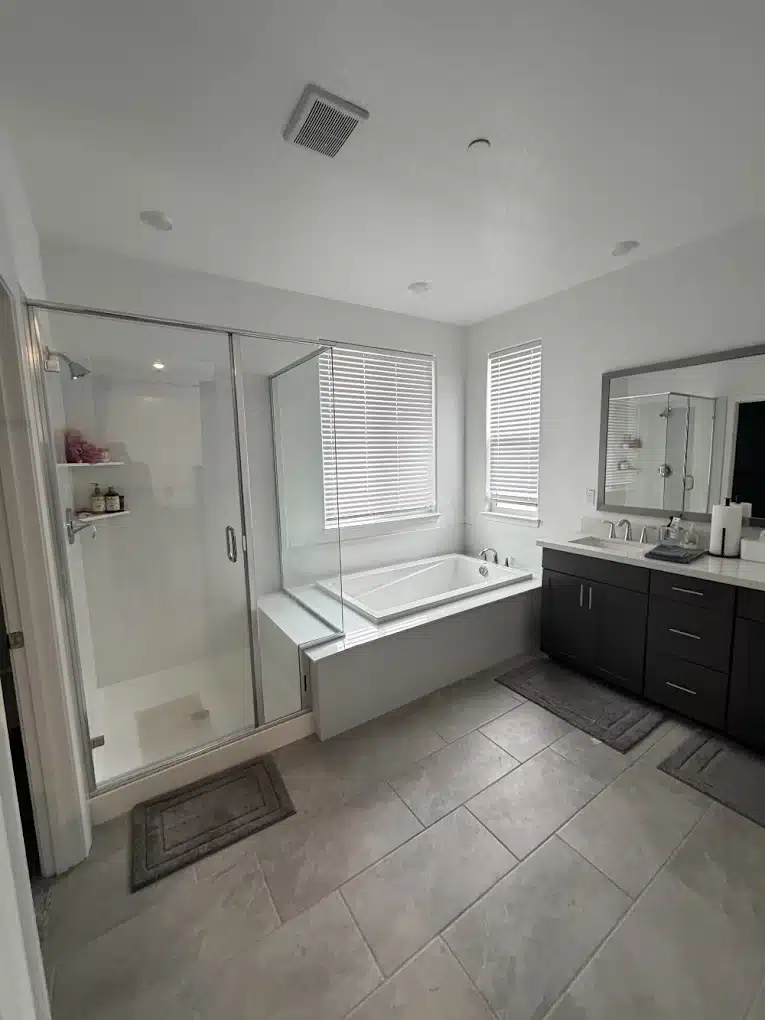
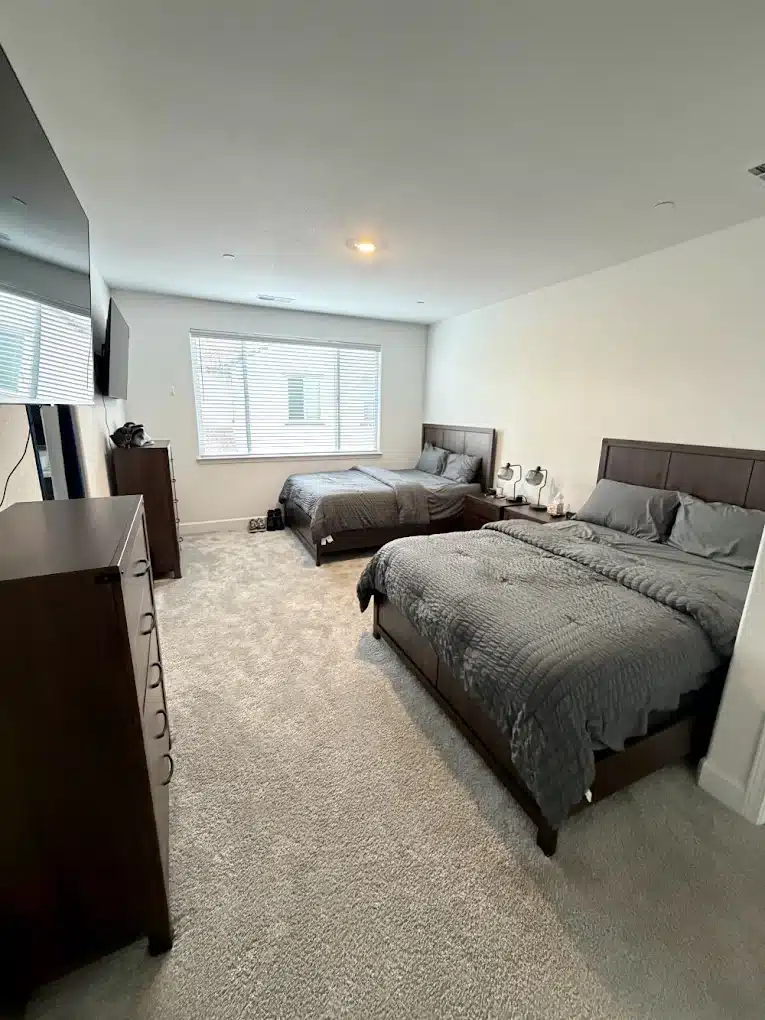
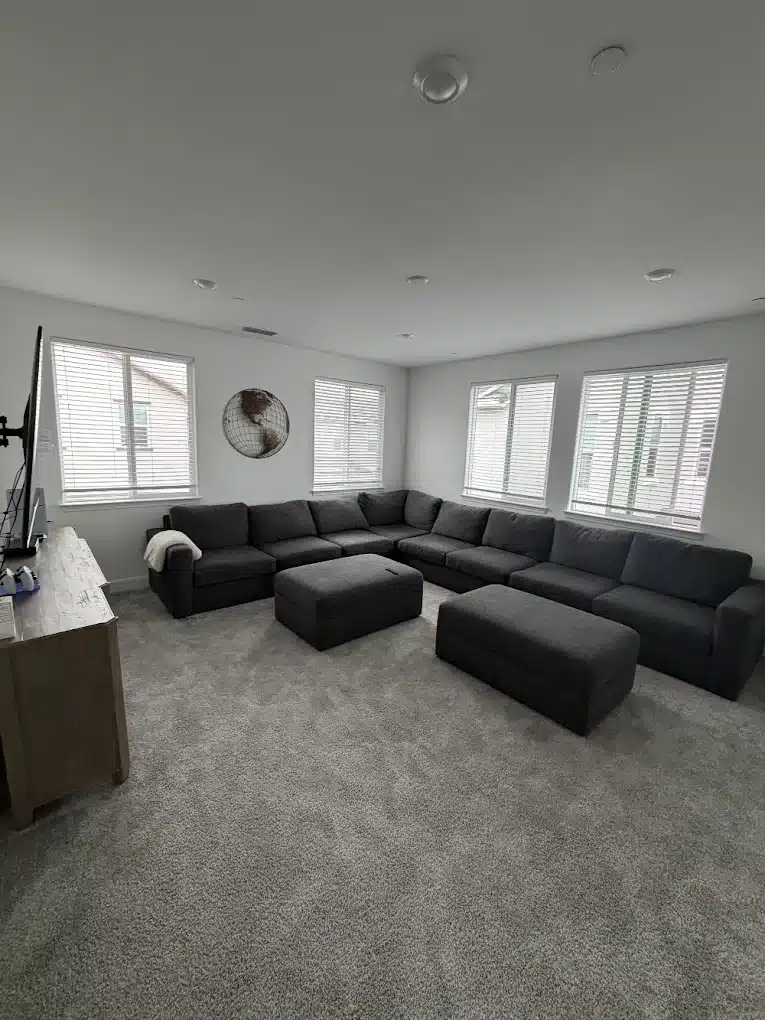
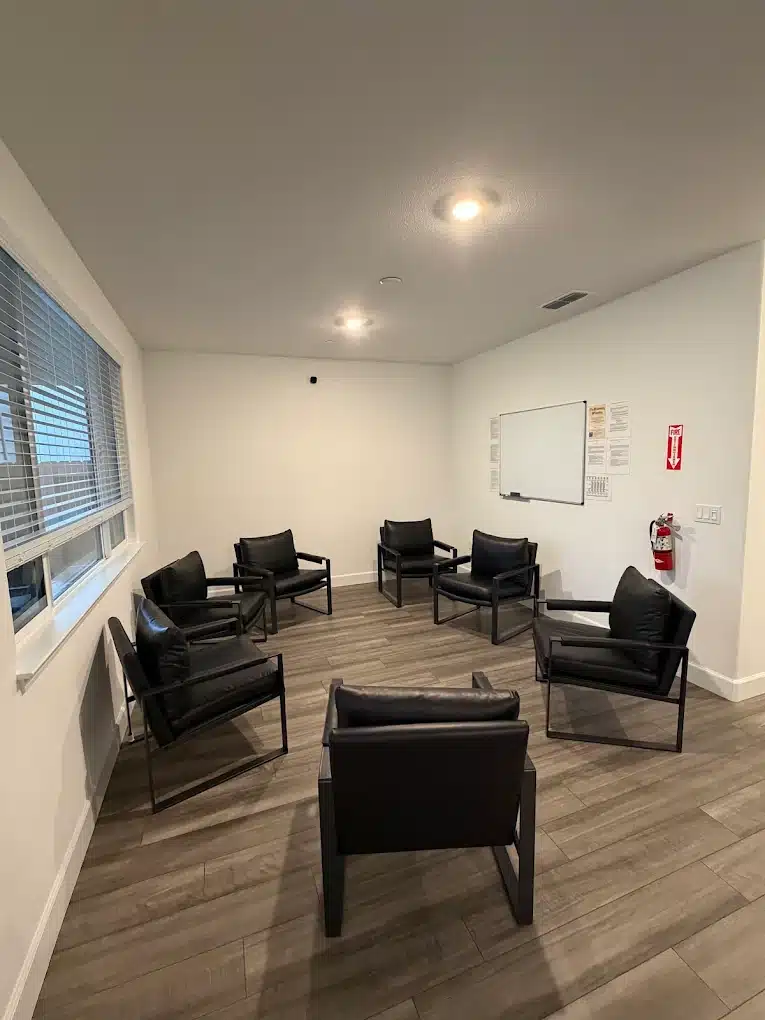
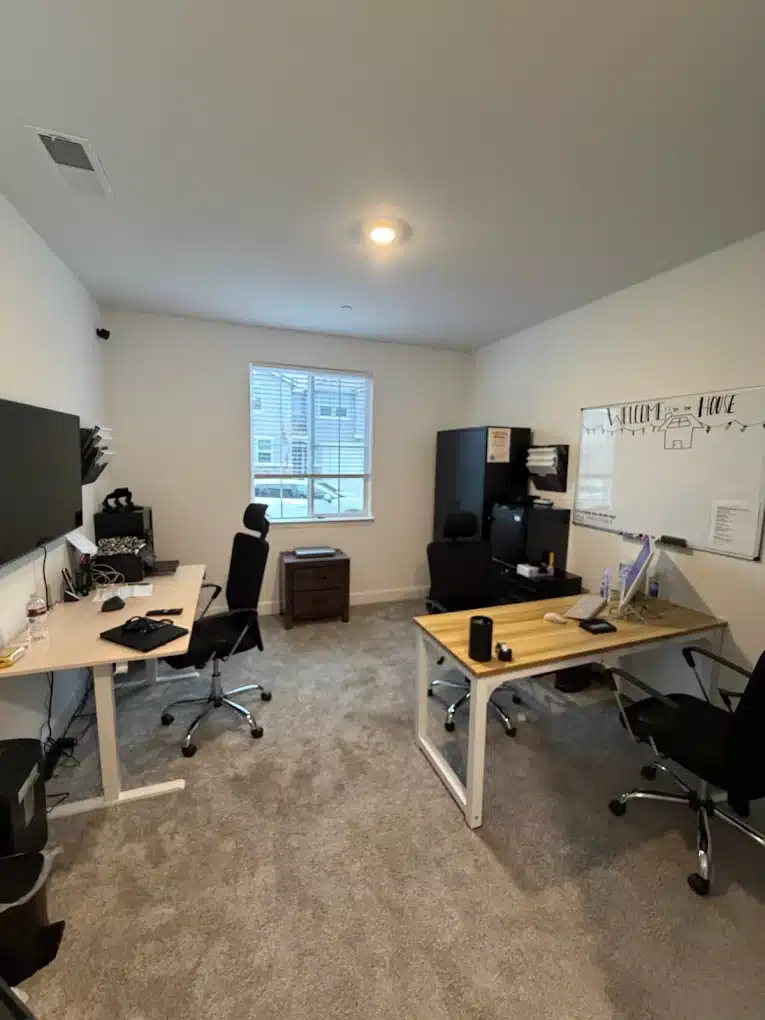
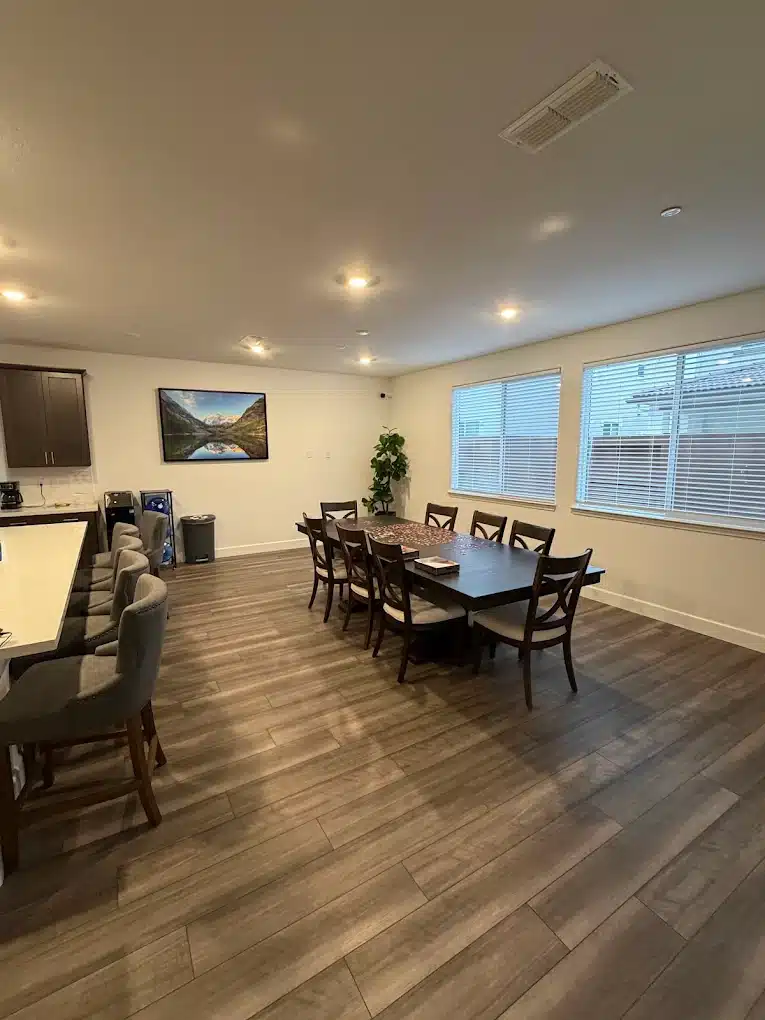
The work described on this page happens in a real place. Our 6-bed residential facility in Roseville is built around the principle that residential mental health treatment should feel residential — not institutional. Tour the spaces where the daily clinical work, group programming, and wellness practices actually take place.

Frequently Asked Questions

What is Mindfulness-Based Stress Reduction?
Mindfulness-Based Stress Reduction (MBSR) is an evidence-based clinical program developed in the late 1970s by Jon Kabat-Zinn at the University of Massachusetts Medical Center. The program teaches structured mindfulness practice — meditation, body scanning, and gentle movement — to build the capacity to engage with stress, chronic pain, anxiety, and depression in ways that reduce suffering and improve quality of life.
What conditions does MBSR treat?
MBSR has strong evidence support for chronic pain, anxiety disorders (particularly generalized anxiety), recurrent depression (where MBCT — Mindfulness-Based Cognitive Therapy — is a derivative designed specifically for relapse prevention), and chronic stress. It is also widely used as adjunctive support for PTSD, BPD (as foundation for DBT mindfulness module), and across many other mental health conditions.
What's the difference between MBSR and MBCT?
MBSR is the original eight-week program developed for chronic medical and stress conditions. MBCT — Mindfulness-Based Cognitive Therapy — is a derivative designed specifically for preventing depressive relapse in adults with recurrent major depression. MBCT combines MBSR practices with cognitive therapy elements that target the rumination patterns driving depressive recurrence.
How is MBSR different from religious meditation?
MBSR is a secular clinical program developed in a medical setting. While the underlying contemplative practices have roots in Buddhist meditation traditions, MBSR is taught without religious content and integrated into evidence-based clinical care. Adults of any religious background or no religious background can engage with MBSR as a clinical intervention.
Why is residential mindfulness practice more effective than outpatient?
Mindfulness skills require sustained practice to develop. Outpatient mindfulness work — typically a weekly session and homework that often gets sidelined — builds capacity slowly. Residential care provides daily structured practice supported by the clinical team, integrated with the rest of the treatment work, and reinforced through the daily environment. The skill capacity that takes months to develop outpatient often develops in weeks during residential care.
Is mindfulness practice religious?
MBSR as delivered in clinical settings is explicitly secular. The mindfulness practices themselves have roots in contemplative traditions, but the clinical program is taught without religious content and is appropriate for adults of any background. The practice targets the development of specific attention and awareness capacities that have measurable clinical benefits regardless of belief system.
How long does residential mindfulness-integrated treatment last?
A typical residential stay at Sacramento Mental Health is around 30 days, followed by a coordinated step-down to outpatient care through another organization. Mindfulness practice is integrated across the residential program rather than delivered as a standalone protocol. The residential window builds the foundational mindfulness capacity that supports continued practice and the broader outpatient mental health work after discharge.
How do I discuss coverage and payment for residential treatment?
Coverage for residential mental health care varies significantly by situation. The clearest first step is a brief conversation with our admissions team — they can walk through coverage and payment options specific to your circumstances. Call (916) 527-9606 to discuss.

Medically Reviewed By

Picture of Dr. Bonnie J. Mitchell DBH, LPCC

Dr. Bonnie J. Mitchell DBH, LPCC

Dr. Bonnie Mitchell is a behavioral health leader, clinician, and advocate dedicated to expanding access to compassionate, evidence-based mental health and substance use treatment. She earned her Doctor of Behavioral Health degree from Arizona State University in 2018, holds a Master’s degree in Clinical Counseling for Mental Health, and a Bachelor’s degree in Psychology. She is a Licensed Professional Clinical Counselor in California. Throughout her career, Dr. Mitchell has served in executive and clinical leadership roles including Executive Director, Regional Clinical Director, and C-suite behavioral health executive.