Family Program in Sacramento, CA

The Family Program at Sacramento Mental Health supports the families of adults in our residential care — through education, family-focused therapy where clinically indicated, structured communication during the residential stay, and meaningful involvement in discharge planning. Families don’t just have a stake in residential treatment outcomes; they often shape them. At our Cal DSS-licensed residential program in Roseville, our Family Program is built into the residential treatment experience for adult patients across Greater Sacramento and Placer County. We admit and treat directly.

Related Conditions

Our Treatment Approach

Our clinical team integrates the Family Program with the broader residential treatment work for each adult patient. Family engagement is led by the Clinical Director with appropriate involvement from the patient’s individual therapist, with all family work conducted with explicit consent from the adult patient. Every treatment plan is built and led by our Clinical Director, with medical oversight from our Medical Director.

How the Family Program Works Clinically

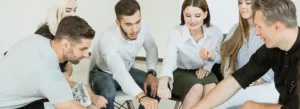
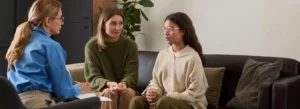
The Family Program runs alongside the adult patient’s individual treatment, with components scheduled and structured to support rather than disrupt the residential clinical work. Family education sessions provide foundational diagnostic and treatment understanding. Family-focused therapy sessions (where clinically indicated) target the specific relational and communication patterns relevant to the patient’s diagnosis. Structured communication during the stay maintains family connection while protecting the clinical work. Discharge planning sessions in the final week of residential bring the family into the post-residential infrastructure.


Why Family Involvement Matters for Adult Mental Health Treatment

The evidence base for family involvement in adult mental health treatment is unusually strong. Family-Focused Therapy for bipolar disorder reduces relapse rates and improves mood-cycling outcomes. Behavioral Family Therapy for schizophrenia reduces psychotic relapse and rehospitalization. Family Connections-aligned work for BPD improves both patient and family outcomes. Across the conditions we treat, families that are educated, supported, and structurally involved produce better outcomes for the adult in residential care — and the family itself functions better.

The Family Program at Sacramento Mental Health

For families of adults in our residential program, the Family Program is integrated from the first week of admission. Initial family contact happens in coordination with the comprehensive assessment, with consent from the patient. Family education and family-focused therapy sessions run through the residential stay. Discharge planning involves the family in the final week, building the post-residential infrastructure that supports sustained recovery. The work continues after discharge through coordination with outpatient providers and family-aligned community resources.

When the Family Program Matters Most

Family involvement is integrated across our residential program for all adult patients with consent. The Family Program plays a particularly central clinical role in these situations:

  • Bipolar disorder, where FFT has strong evidence for improving outcomes
  • Schizophrenia and schizoaffective disorder, where Behavioral Family Therapy reduces relapse
  • Borderline Personality Disorder, where family education and Family Connections-aligned work address the specific BPD family dynamics
  • Substance use disorders, where family involvement supports sustained recovery and relapse prevention
  • Severe depression with significant family-system disruption from the depressive episode
  • Post-hospitalization step-down requiring coordinated family involvement in the transition

Explore Treatment Approaches

Why Choose the Mental Health Treatment and Stabilization Center of Sacramento

Choosing where to admit yourself or a family member for residential mental health treatment is a consequential clinical decision in part because the quality of family engagement substantially shapes outcomes. The right program needs to recognize the family as an integral part of the recovery process rather than a peripheral concern. Here is what makes our Roseville program the right fit for adult patients and their families across Greater Sacramento and Placer County.

Family Program Integrated With Residential Care

The Family Program is built into the residential treatment experience from the first week — not treated as an optional add-on or scheduled around the rest of the program.

Evidence-Based Family Approaches by Diagnosis

For diagnoses where specific family-focused therapies have strong evidence — bipolar disorder, schizophrenia, BPD — our clinical team delivers the appropriate evidence-based approach rather than generic family therapy.

Family Education That Addresses the Outpatient Gap

Most families of adults with serious mental health conditions report receiving minimal education from outpatient care. Our residential setting provides the time and clinical attention to give families the diagnostic understanding and treatment context they often haven’t received elsewhere.

Direct Provider, Not a Referral Service

We admit and treat adults directly at our Cal DSS-licensed residential facility. Families don’t have to navigate a referral chain or wait for someone else to call back. Cal DSS Facility License #315920208 reflects state-verified clinical, safety, and operational standards.

Placer County’s Residential Mental Health Home

Most residential mental health programs in Northern California are clustered in Sacramento proper. Our Roseville location gives Placer County residents — Rocklin, Lincoln, Loomis, Auburn — a residential option without a long drive across the county line.

Next Steps

Where you are in this matters. Find the path that fits where you are right now.

If you're ready to talk

A 15-minute call with our admissions team is the fastest way to get clarity. We’ll cover symptoms, fit, coverage, and timeline.

Call (916) 527-9606

If you're not sure residential treatment is right

Many people start by sitting with the question of whether residential care is the right next step. A comprehensive clinical assessment is the most reliable way to find out — it maps the diagnostic picture, severity, any co-occurring conditions, and the level of care that actually fits.

Learn how the comprehensive assessment works

If you're researching for a loved one

Bringing residential treatment into a family conversation is hard. Start by meeting the clinical team who would actually treat your loved one, and seeing how admissions handles family involvement.

Meet our clinical team

Coverage and Payment

Sacramento Mental Health works with families to make residential mental health care accessible. Call (916) 527-9606 to discuss coverage and payment options with our admissions team.

See What Our Clients are Saying

Tour Our Facility

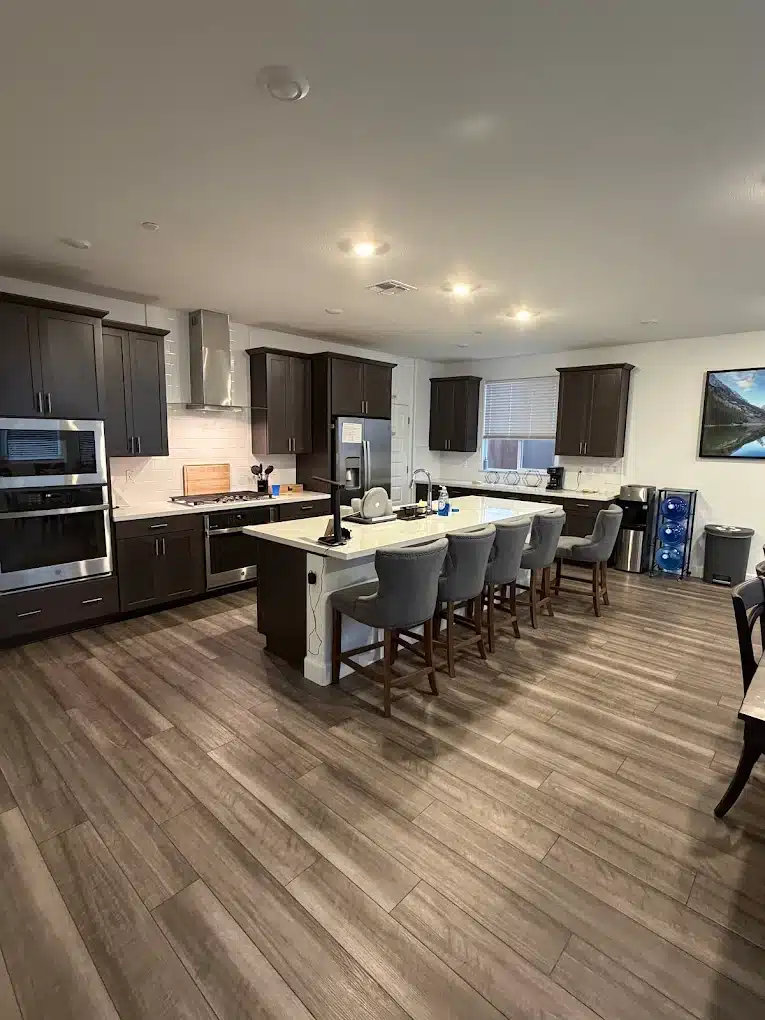
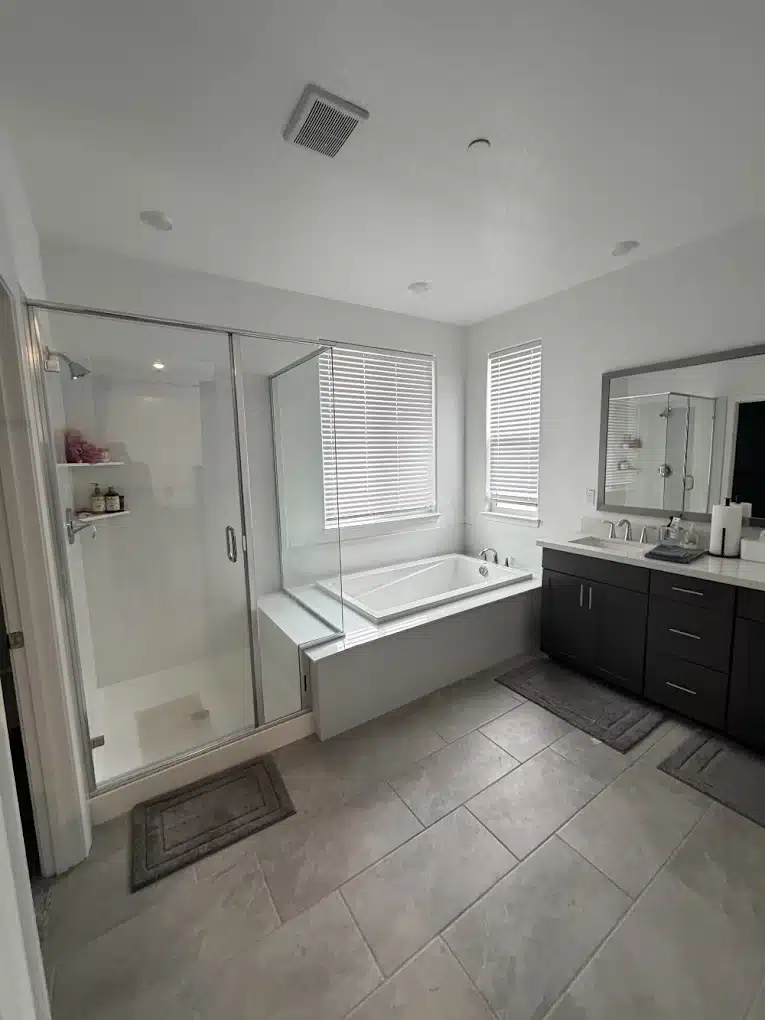
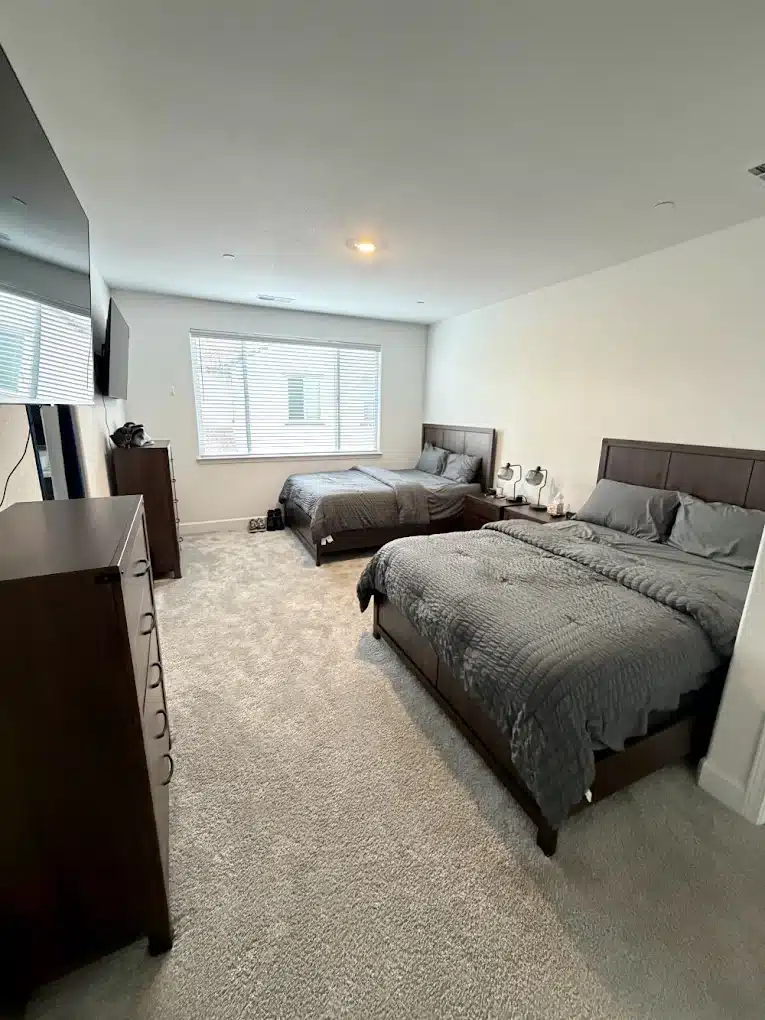
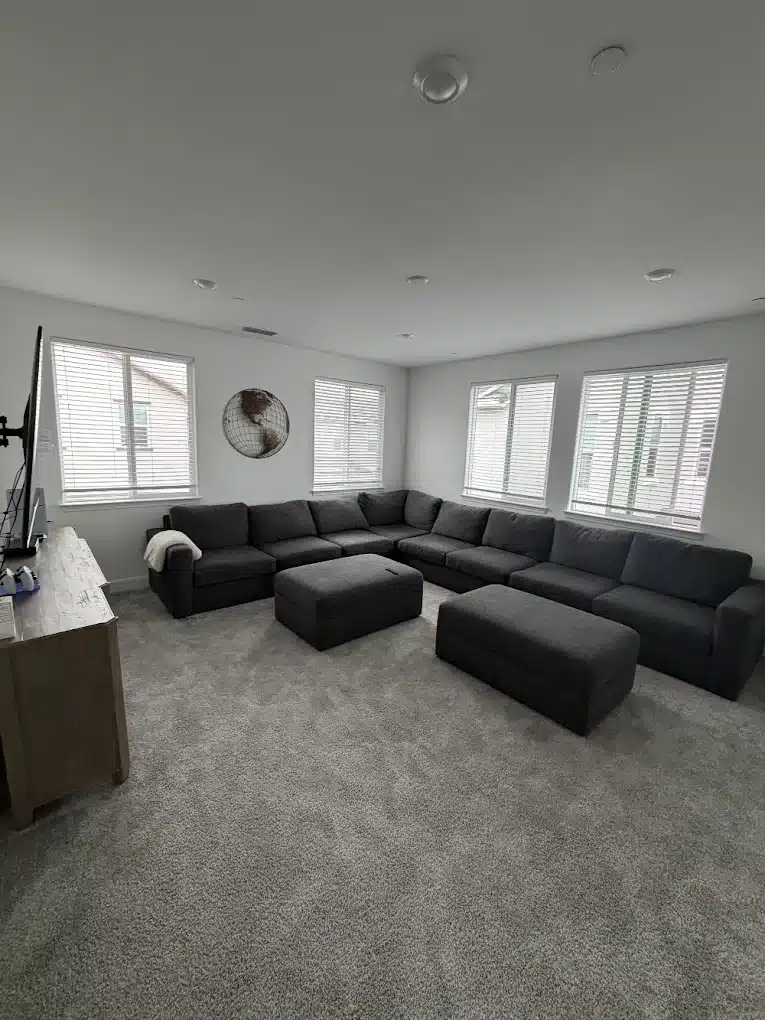
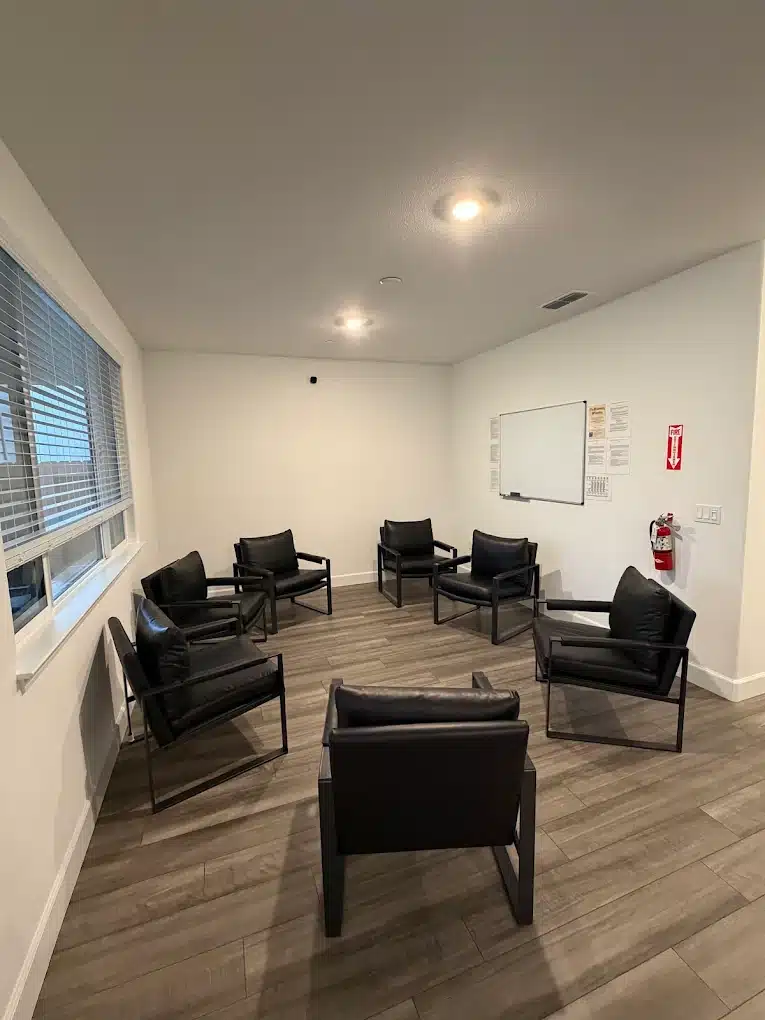
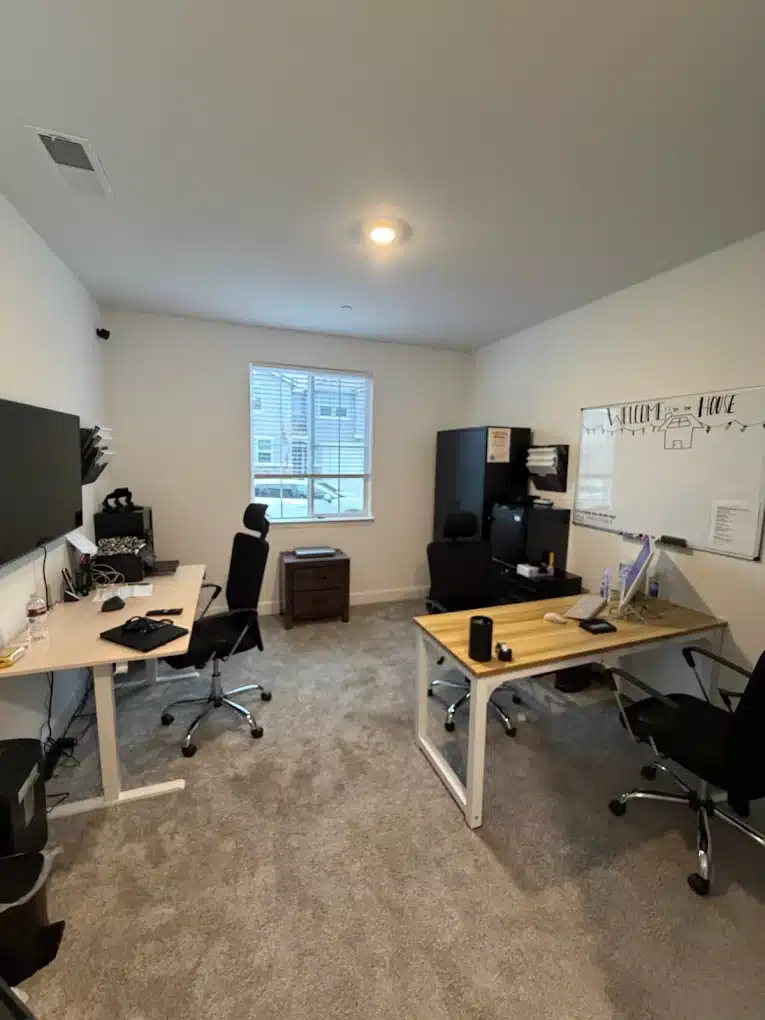
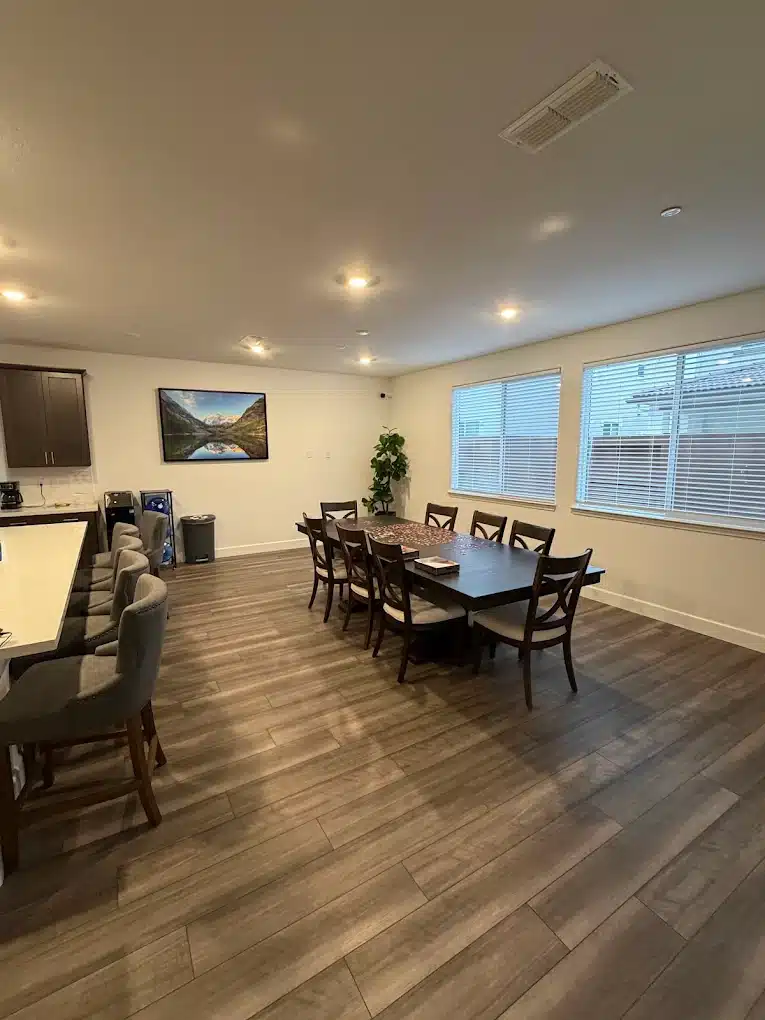
The work described on this page happens in a real place. Our 6-bed residential facility in Roseville is built around the principle that residential mental health treatment should feel residential — not institutional. Tour the spaces where the daily clinical work, group programming, and wellness practices actually take place.

Frequently Asked Questions

What is the Family Program at Sacramento Mental Health?
The Family Program supports the families of adults in our residential care through education, family-focused therapy where clinically indicated, structured communication during the residential stay, and meaningful involvement in discharge planning. The Family Program serves the families of adult patients — it is not adolescent or pediatric family therapy, family-of-origin trauma work for the patient, or open family therapy unrelated to the patient's diagnosis.
Why does family involvement matter in adult mental health treatment?
The evidence base for family involvement in adult mental health treatment is unusually strong. Family-Focused Therapy for bipolar disorder reduces relapse rates. Behavioral Family Therapy for schizophrenia reduces psychotic relapse and rehospitalization. Family Connections-aligned work for BPD improves both patient and family outcomes. Across many serious mental health conditions, families that are educated, supported, and structurally involved produce better outcomes.
Is family involvement required?
No. The Family Program operates with consent from the adult patient and the family. Family involvement is encouraged and clinically valuable, but the patient retains the decision about which family members are involved, how, and to what degree. Confidentiality is maintained according to the patient's wishes and clinical context.
What conditions benefit most from family involvement?
Family involvement is particularly central for bipolar disorder (where Family-Focused Therapy has strong evidence), schizophrenia and schizoaffective disorder (where Behavioral Family Therapy reduces relapse), Borderline Personality Disorder (where family education addresses specific BPD dynamics), substance use disorders, severe depression with significant family-system disruption, and post-hospitalization step-down requiring coordinated family involvement.
How does the Family Program work during a residential stay?
The Family Program runs alongside the adult patient's individual treatment from the first week of admission. Initial family contact happens with the comprehensive assessment. Family education and family-focused therapy sessions run through the residential stay. Structured communication maintains family connection. Discharge planning involves the family in the final week, building the post-residential infrastructure that supports sustained recovery.
What if the family situation is complicated?
Family structures and dynamics vary widely. The Family Program adapts to the actual family situation — chosen family, multigenerational households, partner relationships, families across distances, families with complex histories. The work meets the family where it is. In situations where family involvement may not be clinically appropriate or where the patient prefers not to involve family, that decision is respected.
Does the Family Program continue after discharge?
The Family Program transitions to outpatient continuation through coordination with the patient's outpatient providers and family-aligned community resources. The relationships and frameworks built during the residential stay support the family's continued engagement with the patient's recovery after discharge. Sustained family involvement is part of what makes residential gains hold post-discharge.
How do I discuss coverage and payment for residential treatment?
Coverage for residential mental health care varies significantly by situation. The clearest first step is a brief conversation with our admissions team — they can walk through coverage and payment options specific to your circumstances. Call (916) 527-9606 to discuss.

Medically Reviewed By

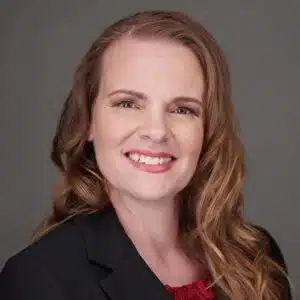
Picture of Dr. Bonnie J. Mitchell DBH, LPCC

Dr. Bonnie J. Mitchell DBH, LPCC

Dr. Bonnie Mitchell is a behavioral health leader, clinician, and advocate dedicated to expanding access to compassionate, evidence-based mental health and substance use treatment. She earned her Doctor of Behavioral Health degree from Arizona State University in 2018, holds a Master’s degree in Clinical Counseling for Mental Health, and a Bachelor’s degree in Psychology. She is a Licensed Professional Clinical Counselor in California. Throughout her career, Dr. Mitchell has served in executive and clinical leadership roles including Executive Director, Regional Clinical Director, and C-suite behavioral health executive.