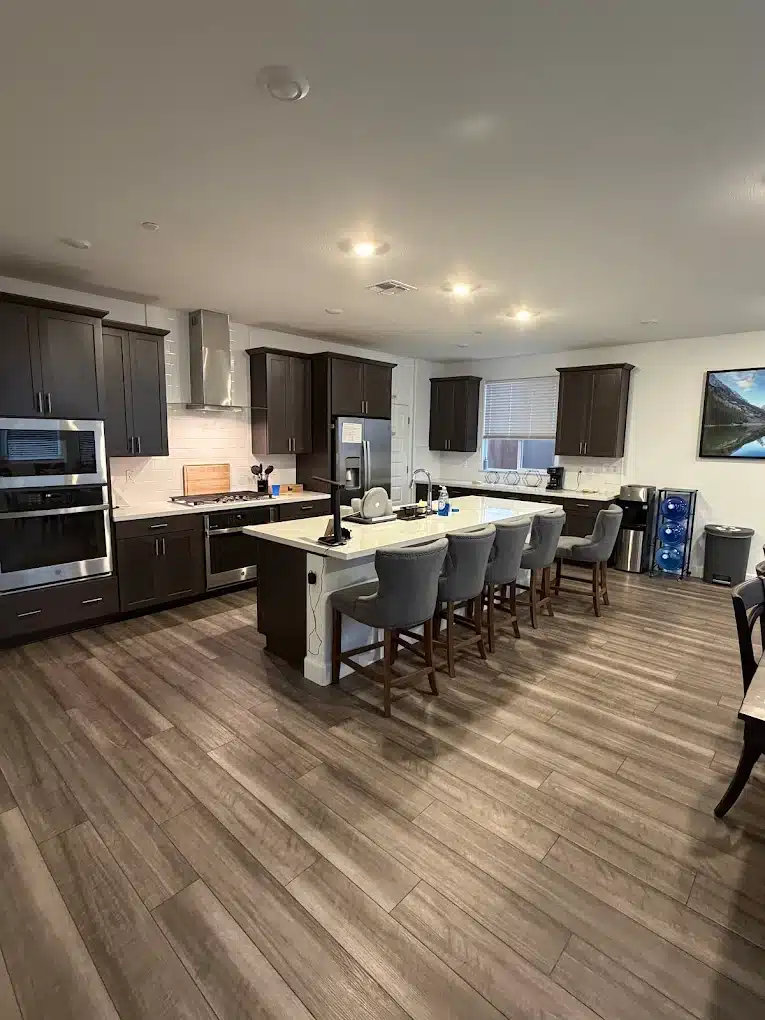
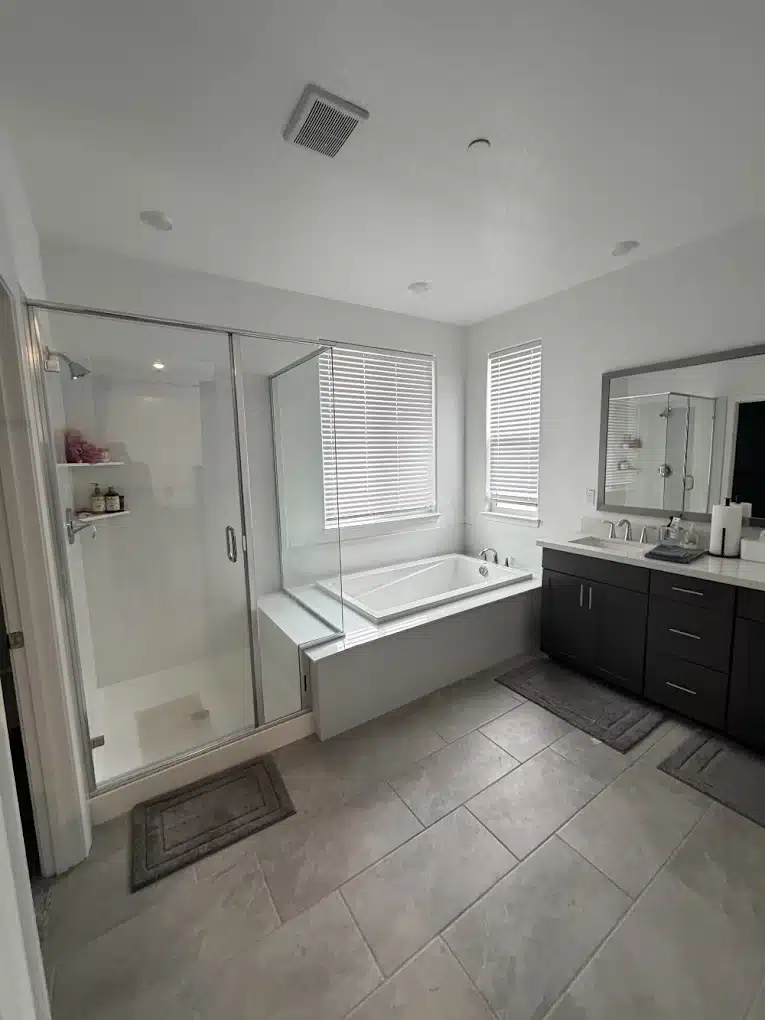
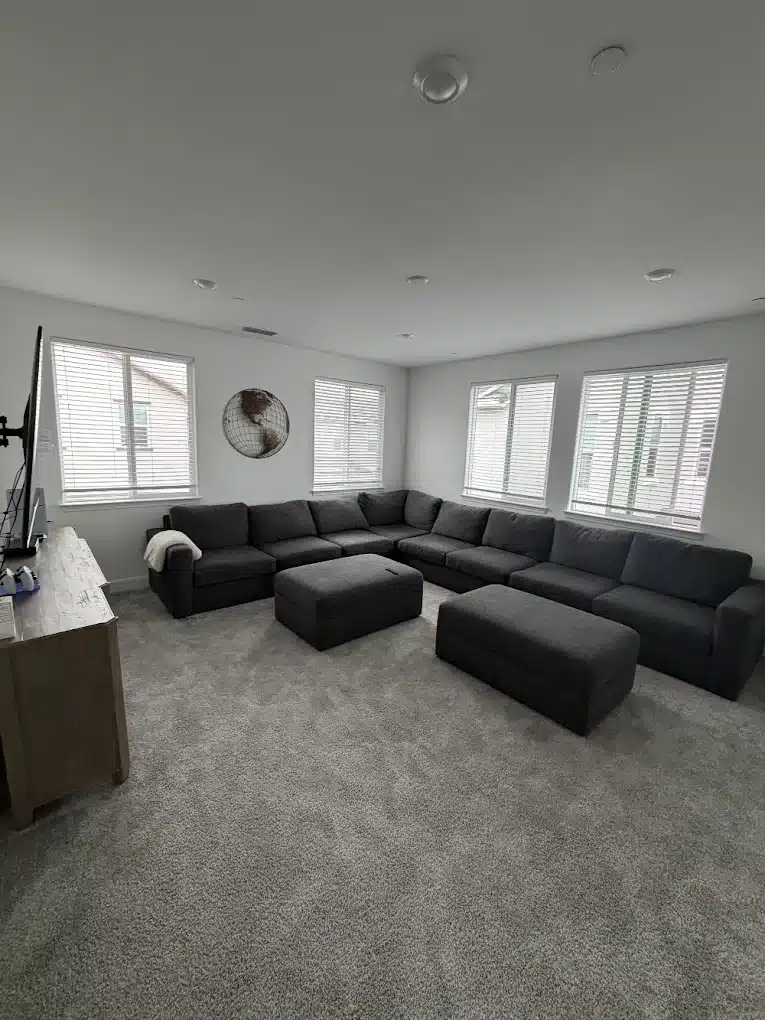
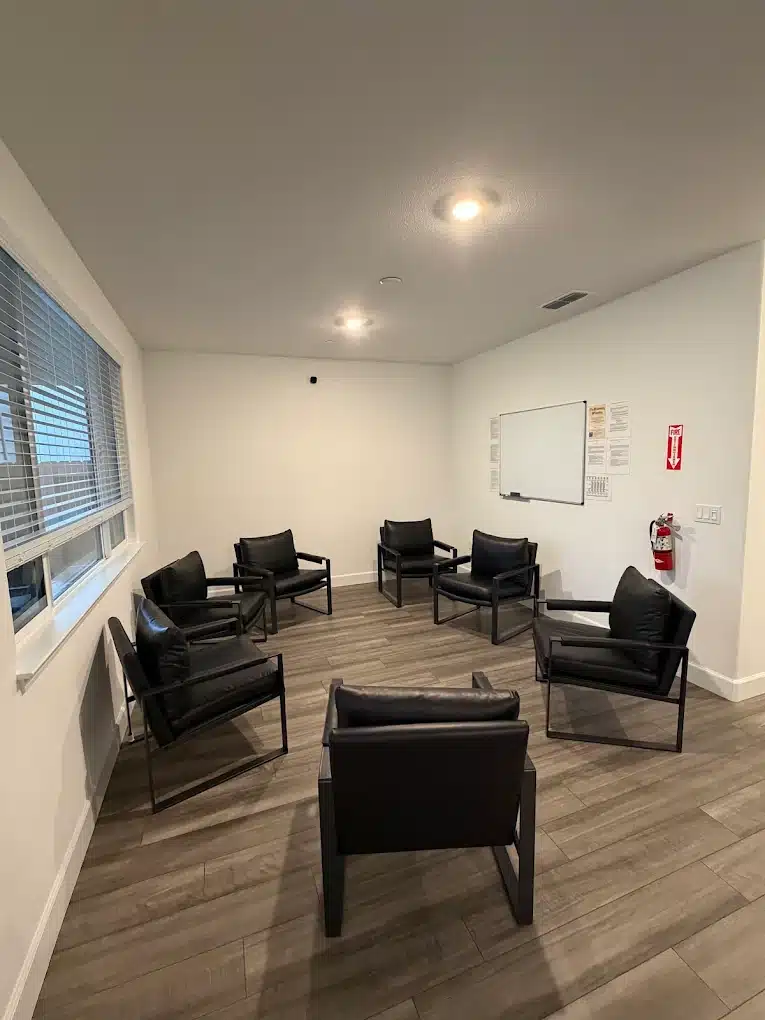
Our clinical team delivers trauma-informed care as the foundation of the residential program, with trauma-focused therapies (PE, CPT, EMDR-aligned approaches, Accelerated Resolution Therapy) deployed when clinically indicated. Every treatment plan is built and led by our Clinical Director, with medical oversight from our Medical Director.
How Trauma-Informed Care Works Clinically
Trauma-informed care is not a specific intervention — it is a clinical framework shaping every interaction in treatment. The framework rests on six principles: safety (physical and emotional), trustworthiness and transparency, peer support, collaboration, empowerment with choice, and attention to cultural, historical, and gender considerations. In practice, this looks like predictable structure, clear communication about treatment decisions, explicit choice when possible, careful attention to power dynamics, and recognition that what looks like resistance or non-compliance is often trauma activation. The clinical environment, the language clinicians use, the structure of programming — all are shaped by these principles.
Applications Across the Diagnostic Spectrum
Trauma-informed care is delivered across every diagnostic presentation in the residential program, not only when PTSD is the primary diagnosis. The way the framework applies varies by clinical situation.
Depression with Trauma History
The majority of adults arriving for residential treatment of major depressive disorder or persistent depressive disorder have significant adverse childhood experiences, interpersonal trauma histories, or accumulated adult trauma. Depression that isn’t responding to standard outpatient care often has trauma as a driver that neither the resident nor the clinical team has fully engaged with. Our trauma-informed approach to depression treatment means asking about trauma history early, understanding depressive symptoms as potentially trauma-linked (particularly the shame, self-blame, and interpersonal withdrawal patterns), and integrating trauma-focused work with cognitive and behavioral depression treatment when clinically appropriate.
Substance Use Rooted in Trauma
Adults with co-occurring substance use frequently developed the pattern as trauma self-medication. Traditional substance use treatment that doesn’t engage the trauma driver often produces short-term abstinence followed by relapse, because the underlying pain that the substance was managing hasn’t been addressed. Our integrated dual-diagnosis approach treats the substance use and the trauma as intertwined — the substance use work happens alongside trauma-focused therapy, with careful attention to pacing so trauma processing doesn’t destabilize substance use recovery or vice versa.
Borderline Personality Disorder and Other Personality Disorders
BPD in particular is often understood as a developmental adaptation to complex interpersonal trauma. DBT — the first-line evidence-based treatment for BPD — is inherently trauma-informed in its structure (validation, distress tolerance, safety-first skills training). Trauma-informed care shapes how the DBT skills work is delivered, when trauma-focused processing is layered in (typically after emotion regulation and distress tolerance skills are stable), and how the therapeutic relationship is structured to counter the invalidating environments many BPD residents grew up in.
Dissociative Presentations
Adults with dissociative symptoms — whether meeting criteria for a dissociative disorder or presenting with trauma-related dissociation in the context of another primary diagnosis — require particularly careful pacing. Attempting standard trauma processing before dissociation is managed can be destabilizing. Our clinical team applies trauma-informed pacing: extensive grounding work, gradual integration capacity-building, and specific attention to internal experience and parts work when appropriate. The residential setting supports this kind of pacing in a way outpatient care cannot.
Anxiety Disorders with Trauma History
Generalized anxiety, panic disorder, and social anxiety in adults with trauma histories present differently than in adults without. The anxiety often has a hypervigilance component rooted in learned threat-detection, rather than the more purely cognitive worry patterns of trauma-naive anxiety. Trauma-informed anxiety treatment integrates traditional CBT and exposure-based work with attention to the nervous-system regulation and interoceptive awareness that trauma-informed practice emphasizes. Yoga, mindfulness, and other adjunctive practices in the wellness program support this integration.
Psychotic Disorders and Schizophrenia Spectrum
Adults with schizophrenia or schizoaffective disorder in stabilized phases often have trauma histories that shape their symptom presentation and their engagement with treatment. Trauma-informed care with this population emphasizes predictability, transparency about clinical decisions, avoiding coercive interactions, and understanding that what looks like paranoia may be trauma-informed threat-detection developed under real historical adverse conditions. Trauma processing itself is approached cautiously in this population — the priority is trauma-informed environment and relational stability rather than aggressive trauma-focused intervention.
Trauma-Focused Therapies When PTSD Is the Primary Presentation
For adults with PTSD or complex PTSD, our clinical team delivers the specific evidence-based protocols recommended by the APA and VA/DOD clinical practice guidelines. Prolonged Exposure works through structured imaginal and in-vivo exposure to trauma memories and avoided situations. Cognitive Processing Therapy works through identifying and restructuring the cognitive stuck points around safety, trust, power, esteem, and intimacy. EMDR-aligned and Accelerated Resolution Therapy approaches use bilateral or eye-movement components while trauma memories are held in working memory. The specific protocol is matched to the individual’s presentation and history — this is one application of the broader trauma-informed framework, delivered when PTSD is the primary clinical target.
Why Residential Trauma-Informed Care Works
Outpatient trauma therapy — typically 60 to 90 minutes per week — gives the person hundreds of hours between sessions to manage trauma activation alone. For adults with severe avoidance, significant dissociation, active suicidality, co-occurring substance use, or the range of trauma-shaped mental health conditions that outpatient care can’t fully engage with, that pattern is often unsustainable. Our residential program provides daily clinical contact, the trauma-informed environment that supports the stabilization work trauma therapy requires, and the immersive intensity that allows real processing rather than week-by-week containment. This applies whether the primary diagnosis is PTSD, treatment-resistant depression with trauma driver, complex substance use pattern, BPD, or any of the trauma-shaped presentations residential care is built to engage with.
When Residential Trauma-Informed Treatment Is the Right Step
Outpatient care remains the appropriate level for many adults with trauma histories or PTSD who are managing effectively in their daily lives. Residential trauma-informed treatment becomes the right step when severity has crossed into territory weekly outpatient sessions cannot reach: severe PTSD or complex PTSD with significant functional impact, active dissociation interfering with outpatient trauma work, depression or anxiety that hasn’t responded to outpatient treatment despite adequate trials, co-occurring substance use complicating trauma therapy, personality-disorder presentations that need intensive DBT scaffolding, or clinical situations where the intensity and continuity of a residential program are the missing ingredient in effective treatment.