Home | Evidence-Based Treatment Modalities | Motivational Interviewing

Motivational Interviewing in Sacramento, CA

Motivational Interviewing (MI) is a collaborative, evidence-based clinical conversation style developed to help adults work through ambivalence about change — particularly around substance use, but applicable to behavior change across many mental health conditions. MI is the gold-standard evidence-based approach for engaging adults with substance use disorders and is integrated throughout substance use treatment and dual-diagnosis care at our Cal DSS-licensed residential program in Roseville. We admit and treat directly.

Related Conditions

Our Treatment Approach

Our clinical team integrates MI throughout the residential program — from admissions conversations through individual therapy sessions, group programming, and discharge planning. MI is rarely a standalone modality; it is a clinical conversation style that shapes how every interaction in treatment supports engagement and behavior change. Every treatment plan is built and led by our Clinical Director, with medical oversight from our Medical Director.

How MI Works Clinically

MI operates through four interconnected processes: engaging (establishing the helpful clinical relationship), focusing (collaboratively identifying the change target), evoking (drawing out the person’s own motivation and arguments for change), and planning (collaboratively building the change plan). The work uses specific clinical skills — open questions, affirmations, reflections, summaries (OARS) — and explicitly addresses ambivalence by exploring both sides of the change consideration rather than advocating for one. The clinical stance is collaborative partnership rather than expert advice.

Why MI Works Where Direct Advice Fails

Standard advice-giving in substance use and behavior change contexts often increases resistance — the natural human response to being told what to do is to defend the current behavior. MI works because it doesn’t push against ambivalence; it explores it. By eliciting the person’s own articulation of why change might be valuable and how it might happen, MI builds intrinsic motivation rather than producing the compliance-then-relapse pattern that confrontational approaches often produce.

MI at Sacramento Mental Health

MI shapes the admissions conversation from the first call — establishing the clinical relationship through the partnership stance rather than the prescription stance. During the residential stay, MI is woven through every individual session, group programming, and clinical interaction. Our clinicians work the engagement, focusing, evoking, and planning processes across the 30-day window, supporting the motivation and engagement that the integrated dual-diagnosis work requires. Discharge planning includes MI work around the outpatient continuation and longer-term recovery.

When MI-Integrated Residential Treatment Is the Right Step

MI is integrated across our residential program rather than a standalone admission criterion. Adults whose primary need is residential mental health or dual-diagnosis treatment benefit from the MI approach throughout.

  • Substance use disorder with co-occurring mental health condition
  • Ambivalence about treatment that has interfered with outpatient engagement
  • Treatment-resistant patterns where confrontational approaches have produced resistance
  • Medication adherence concerns affecting clinical stability
  • Recent relapse after previous treatment
  • Behavior change requirements that previous treatment couldn’t establish

Explore Treatment Approaches

Why Choose the Mental Health Treatment and Stabilization Center of Sacramento

Choosing where to admit yourself or a family member for residential dual-diagnosis or behavior-change treatment is a consequential decision because the clinical conversation style profoundly shapes engagement. The right program needs clinicians trained in MI, the integration of MI across every interaction rather than as a labeled session, and the willingness to work collaboratively rather than prescriptively when ambivalence is part of the clinical picture. Here is what makes our Roseville program the right fit for adults needing MI-integrated care across Greater Sacramento and Placer County.

MI-Trained Clinical Team

Our clinical team is trained in Motivational Interviewing alongside other evidence-based modalities — and MI is integrated across every clinical interaction rather than relegated to specific labeled sessions.

Integrated Dual-Diagnosis Approach

MI’s strongest evidence base is in substance use and dual-diagnosis treatment. Our integrated dual-diagnosis model uses MI throughout the work of treating both the primary mental health condition and the substance use pattern.

Collaborative Clinical Stance

MI works because it doesn’t fight ambivalence — it explores it. Our entire clinical approach reflects that partnership stance rather than the prescription stance, supporting the intrinsic motivation that sustainable change requires.

Direct Provider, Not a Referral Service

We admit and treat adults directly at our Cal DSS-licensed residential facility. Families don’t have to navigate a referral chain or wait for someone else to call back. Cal DSS Facility License #315920208 reflects state-verified clinical, safety, and operational standards.

Placer County’s Residential Mental Health Home

Most residential mental health programs in Northern California are clustered in Sacramento proper. Our Roseville location gives Placer County residents — Rocklin, Lincoln, Loomis, Auburn — a residential option without a long drive across the county line.

Next Steps

Where you are in this matters. Find the path that fits where you are right now.

If you're ready to talk

A 15-minute call with our admissions team is the fastest way to get clarity. We’ll cover symptoms, fit, coverage, and timeline.

Call (916) 527-9606

If you're not sure residential treatment is right

Many people start by sitting with the question of whether residential care is the right next step. A comprehensive clinical assessment is the most reliable way to find out — it maps the diagnostic picture, severity, any co-occurring conditions, and the level of care that actually fits.

Learn how the comprehensive assessment works

If you're researching for a loved one

Bringing residential treatment into a family conversation is hard. Start by meeting the clinical team who would actually treat your loved one, and seeing how admissions handles family involvement.

Meet our clinical team

Coverage and Payment

Sacramento Mental Health works with families to make residential mental health care accessible. Call (916) 527-9606 to discuss coverage and payment options with our admissions team.

See What Our Clients are Saying

Tour Our Facility

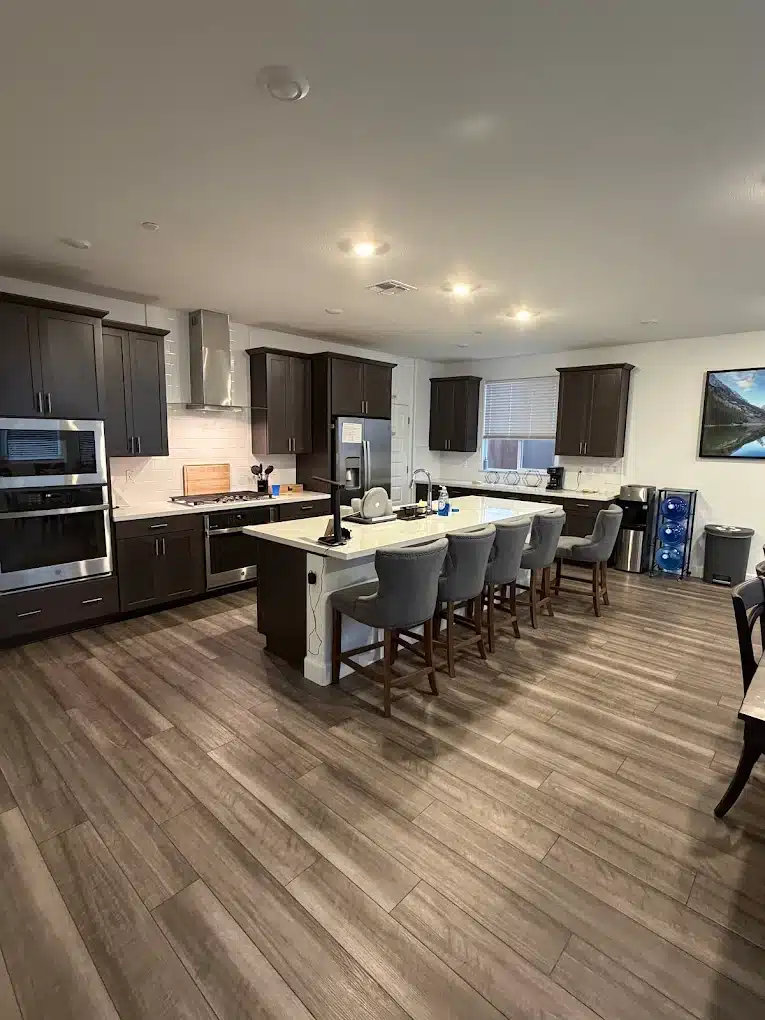
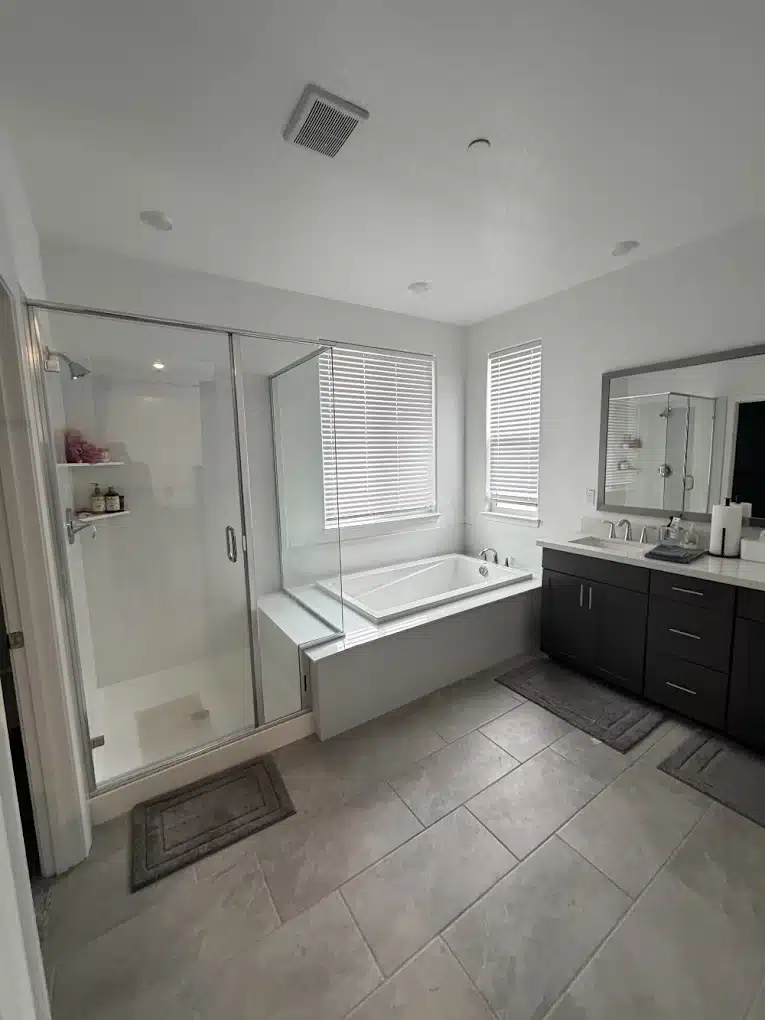
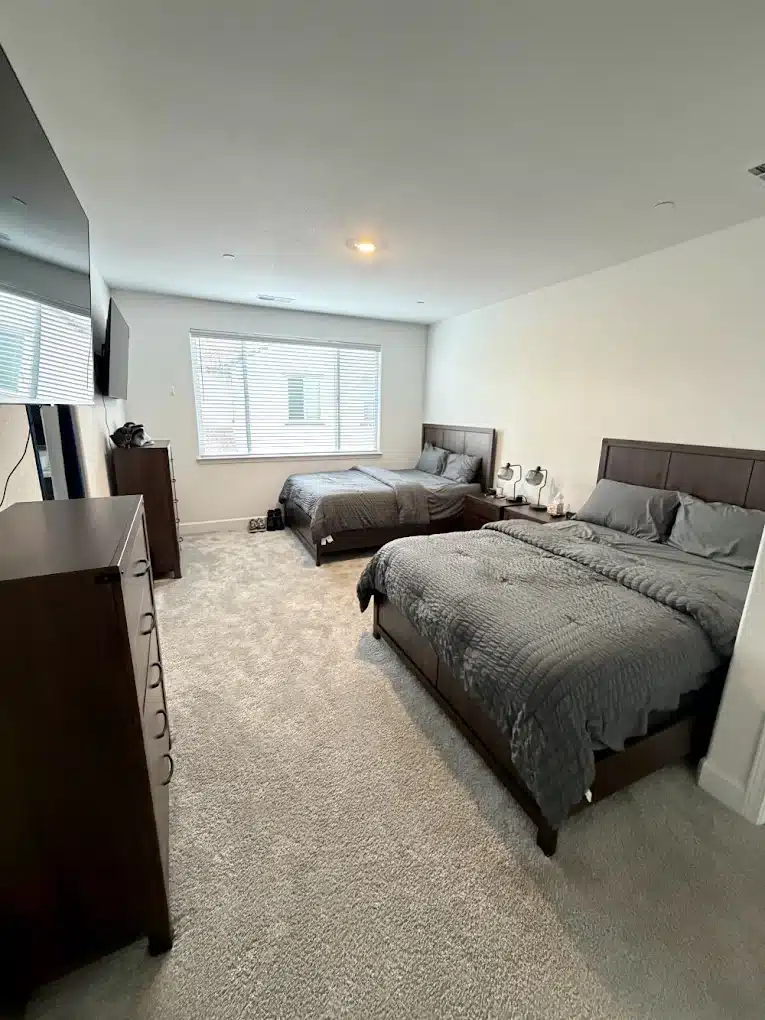
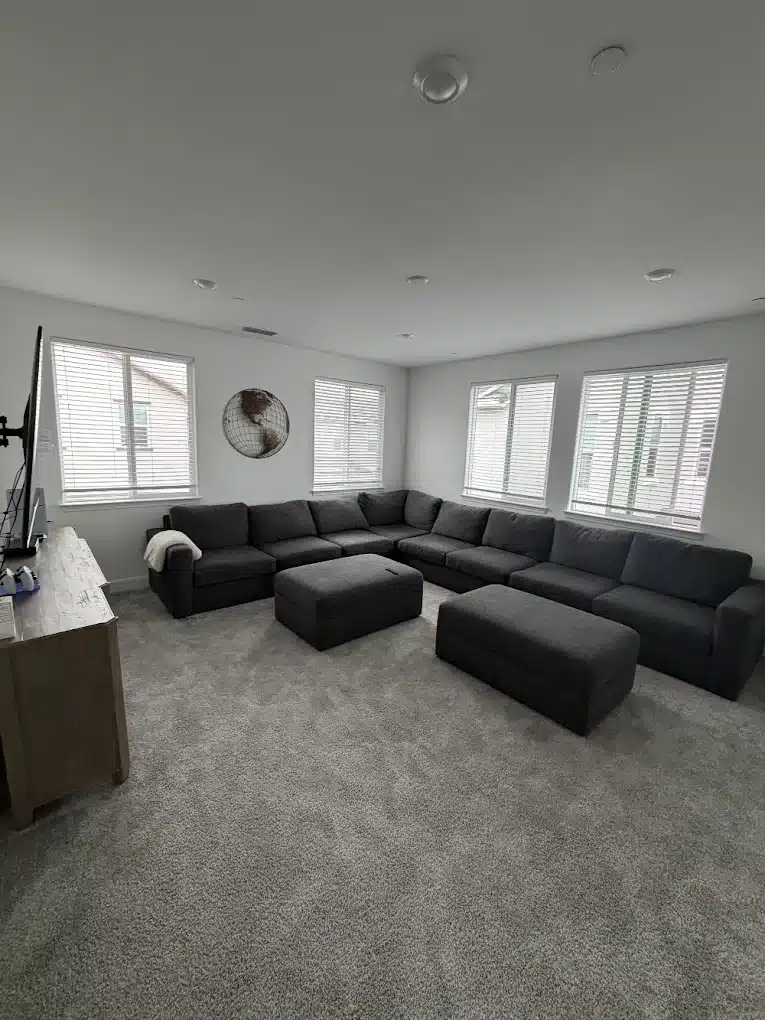
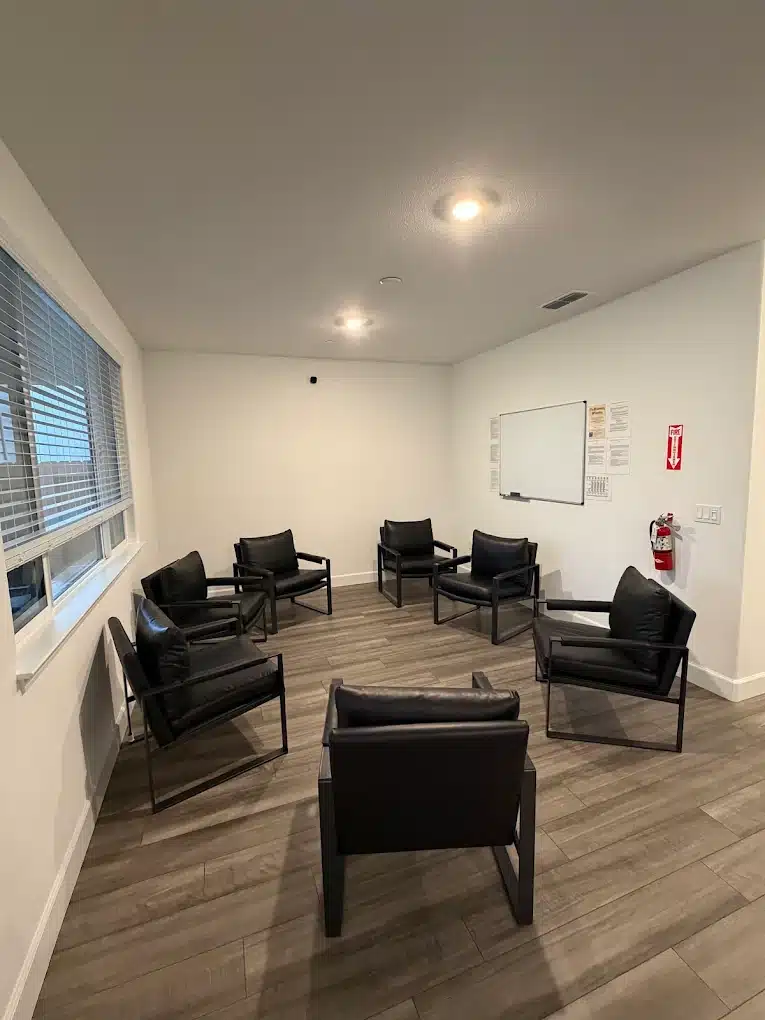
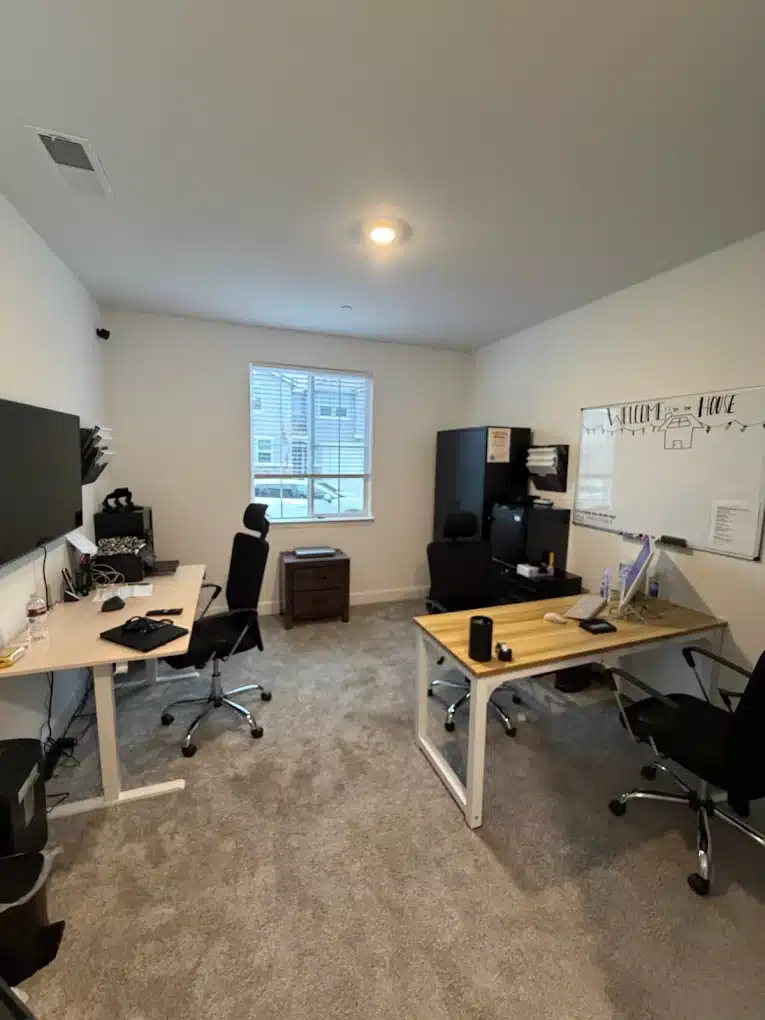
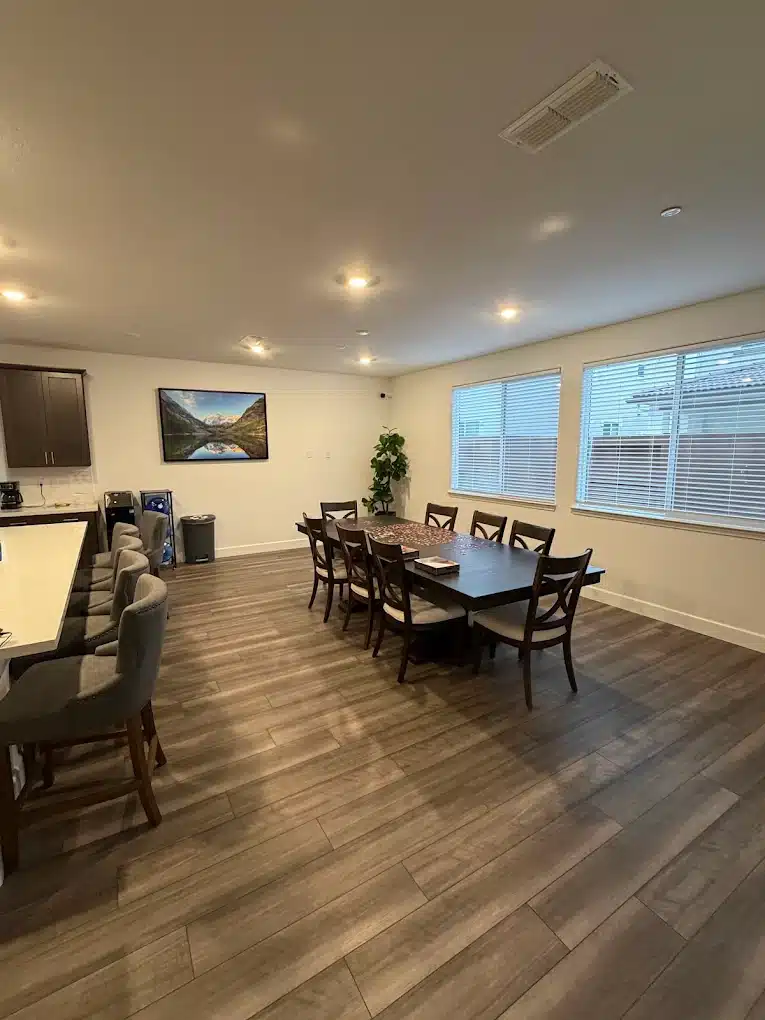
The work described on this page happens in a real place. Our 6-bed residential facility in Roseville is built around the principle that residential mental health treatment should feel residential — not institutional. Tour the spaces where the daily clinical work, group programming, and wellness practices actually take place.

Frequently Asked Questions

What is Motivational Interviewing?
Motivational Interviewing (MI) is a collaborative, evidence-based clinical conversation style developed to help adults work through ambivalence about change — particularly around substance use, but applicable to behavior change across many mental health conditions. MI was developed by William Miller and Stephen Rollnick in the 1980s and is now considered foundational across substance use treatment and dual-diagnosis care.
What conditions does MI treat?
MI is the gold-standard evidence-based approach for engaging adults with substance use disorders. It's also integrated throughout dual-diagnosis care, treatment engagement work across diagnoses, eating disorder behavior change (when co-occurring), medication adherence work, and behavior change in chronic conditions. MI's evidence base is most extensive in substance use, but the approach applies wherever clinically significant ambivalence about change is part of the picture.
Why does MI work better than direct advice for substance use?
Standard advice-giving and confrontational approaches in substance use contexts often increase resistance — the natural human response to being told what to do is to defend the current behavior. MI works because it explores ambivalence rather than pushing against it. By eliciting the person's own articulation of why change might be valuable and how it might happen, MI builds intrinsic motivation rather than the compliance-then-relapse pattern that confrontational approaches often produce.
What are the four processes of MI?
MI operates through four interconnected processes: engaging (establishing the helpful clinical relationship), focusing (collaboratively identifying the change target), evoking (drawing out the person's own motivation and arguments for change), and planning (collaboratively building the change plan). The work uses specific clinical skills — open questions, affirmations, reflections, summaries (OARS).
Is MI a standalone treatment?
MI is rarely delivered as a standalone treatment. Instead, it's a clinical conversation style integrated throughout substance use treatment, dual-diagnosis care, and behavior change work. In our residential program, MI shapes every clinical interaction — from the admissions call through individual sessions, group work, and discharge planning — rather than being limited to specific labeled MI sessions.
When is MI-integrated residential treatment the right step?
Adults whose primary need is residential mental health or dual-diagnosis treatment benefit from the MI approach throughout the program. Specific clinical scenarios where MI is particularly important include co-occurring substance use, ambivalence about treatment that has interfered with outpatient engagement, treatment-resistant patterns where confrontational approaches have failed, medication adherence concerns, and recent relapse after previous treatment.
How does MI integrate with other modalities?
MI integrates seamlessly with the other evidence-based modalities in our program. The MI conversation style supports engagement in CBT, DBT, trauma-focused therapy, and other modalities. In dual-diagnosis treatment specifically, MI is integrated with CBT for substance use, relapse prevention, and the medication and psychotherapy work for the primary mental health condition.
How do I discuss coverage and payment for residential treatment?
Coverage for residential mental health care varies significantly by situation. The clearest first step is a brief conversation with our admissions team — they can walk through coverage and payment options specific to your circumstances. Call (916) 527-9606 to discuss.


Medically Reviewed By

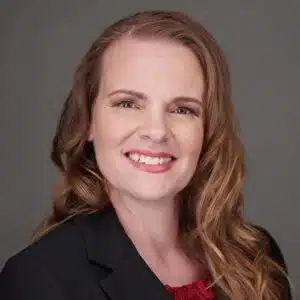
Picture of Dr. Bonnie J. Mitchell DBH, LPCC

Dr. Bonnie J. Mitchell DBH, LPCC

Dr. Bonnie Mitchell is a behavioral health leader, clinician, and advocate dedicated to expanding access to compassionate, evidence-based mental health and substance use treatment. She earned her Doctor of Behavioral Health degree from Arizona State University in 2018, holds a Master’s degree in Clinical Counseling for Mental Health, and a Bachelor’s degree in Psychology. She is a Licensed Professional Clinical Counselor in California. Throughout her career, Dr. Mitchell has served in executive and clinical leadership roles including Executive Director, Regional Clinical Director, and C-suite behavioral health executive.