Home | Treatment Services | Acceptance and Commitment Therapy
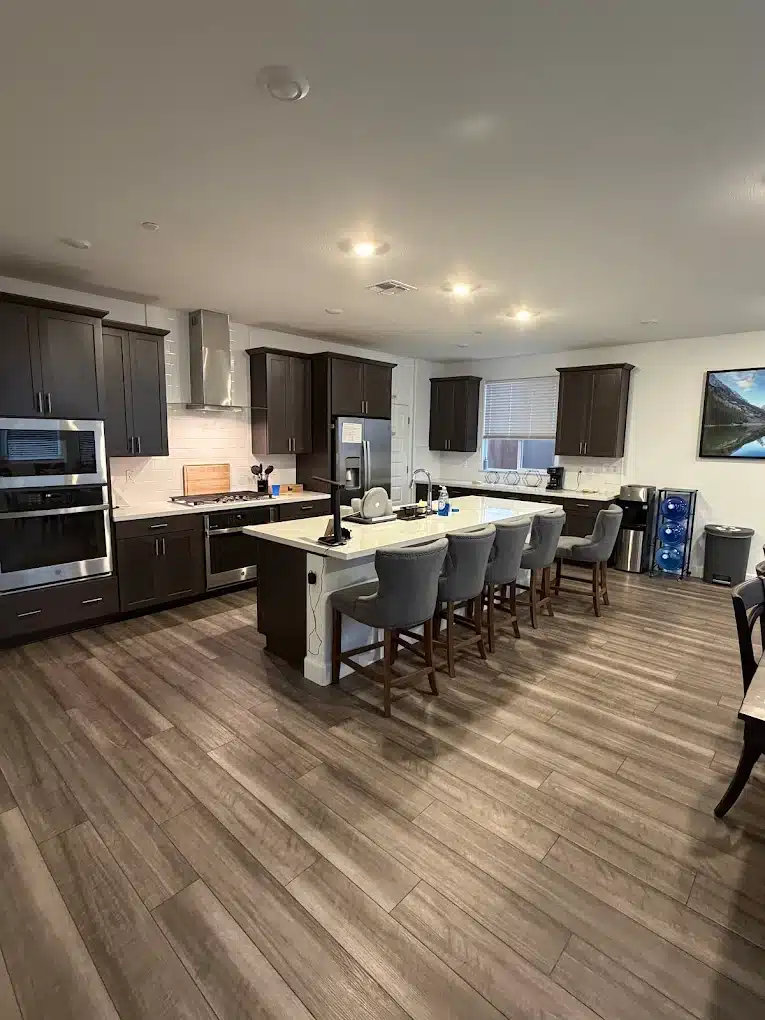
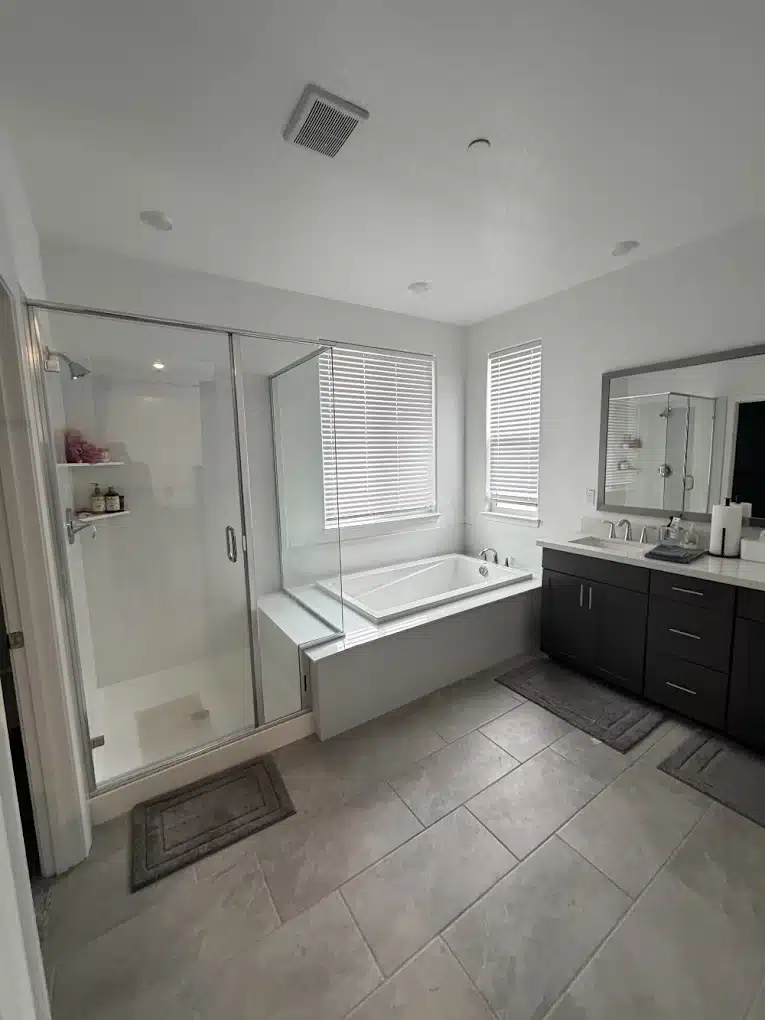
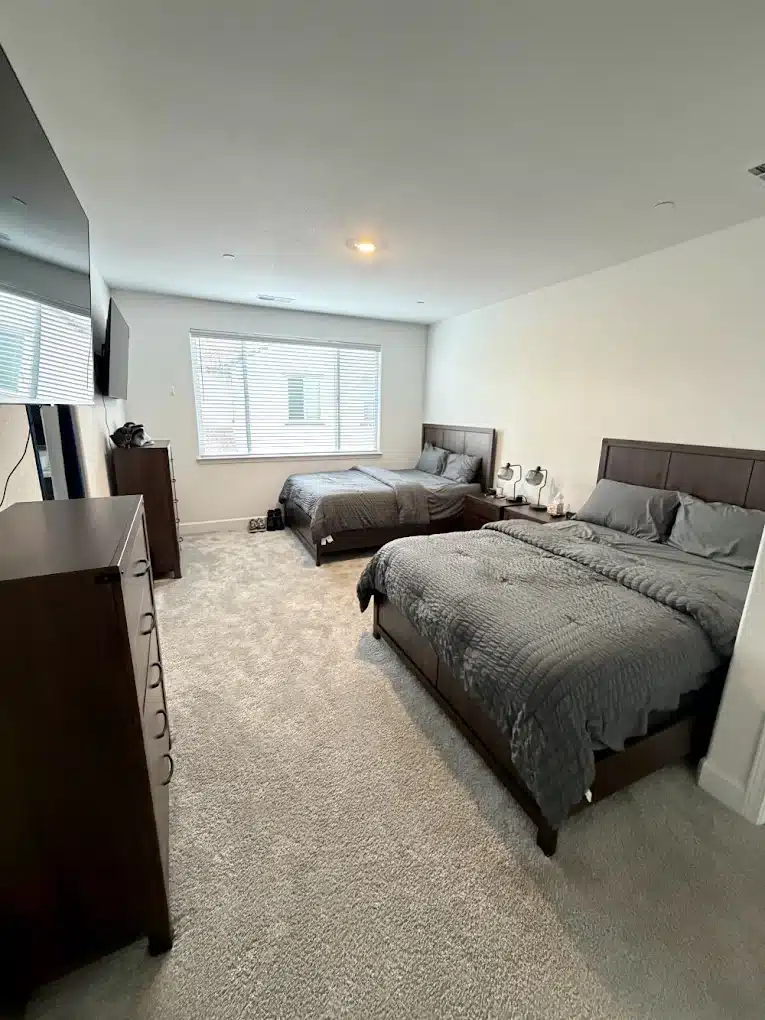
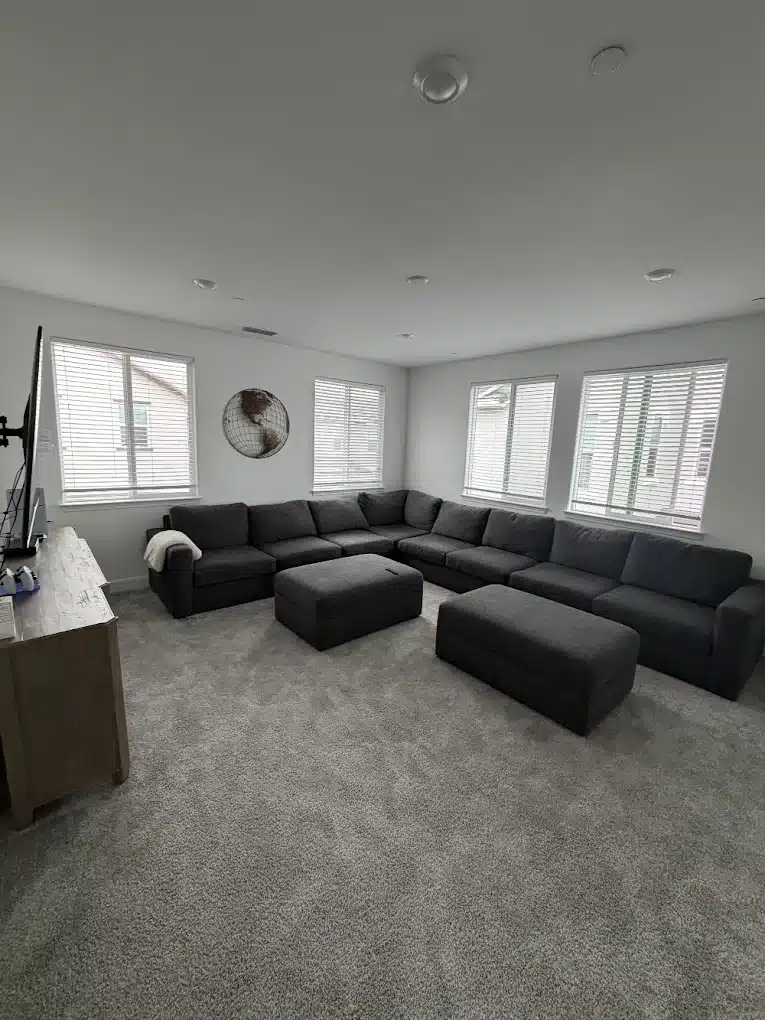
Acceptance and Commitment Therapy (ACT) is an evidence-based psychotherapy that builds psychological flexibility — the capacity to engage with painful thoughts, feelings, and experiences while continuing to act in line with personal values. Rather than aiming to eliminate or directly change difficult thoughts (as standard CBT does), ACT works to change the relationship to those thoughts, freeing the person to live according to what matters most. At our Cal DSS-licensed residential program in Roseville, our clinical team uses ACT alongside other evidence-based modalities for adults across Greater Sacramento and Placer County. We admit and treat directly.


ACT was developed by Steven Hayes and colleagues beginning in the 1980s and is part of the “third wave” of behavioral therapies — building on the foundation of CBT while shifting emphasis toward acceptance, mindfulness, and values-driven action. Over the past two decades, the evidence base has grown substantially, with strong empirical support for ACT in treating depression, anxiety disorders, chronic pain, OCD, substance use disorders, and as an adjunctive treatment for psychosis.
What makes ACT clinically distinctive is its philosophical departure from traditional cognitive therapy. Where standard CBT identifies and changes unhelpful thoughts, ACT recognizes that the human attempt to control internal experience is itself often what maintains suffering. ACT works through six interlocking processes — cognitive defusion (seeing thoughts as thoughts rather than literal truths), acceptance (making room for difficult feelings rather than struggling against them), present-moment awareness, self-as-context (perspective-taking on the self), values clarification, and committed action toward those values. The goal is not symptom elimination but the capacity to live a meaningful life alongside the difficult internal experiences that are part of being human.
ACT works particularly well for adults whose mental health condition has become organized around the struggle to control or eliminate distressing internal experience — the person whose anxiety is now amplified by anxiety about anxiety, the depression that has become a referendum on personal worth, the trauma response that the person believes must be eliminated before life can resume. Residential ACT provides the immersive intensity and integrated environment that this work often requires.
ACT is a core component of treatment for several conditions our residential program addresses. The work integrates with other evidence-based modalities depending on the diagnosis.
ACT has strong evidence support for generalized anxiety disorder, panic disorder, social anxiety, and health anxiety. The work targets the experiential avoidance that maintains anxiety — the constant struggle against anxious thoughts and sensations that paradoxically keeps anxiety in the foreground. Learn about residential anxiety treatment.
For depression — particularly treatment-resistant or chronic depression where standard CBT has been tried — ACT often opens a different therapeutic path. The work addresses the rumination, self-criticism, and behavioral withdrawal characteristic of depression by changing the relationship to depressive thoughts rather than trying to argue with them. Learn about residential depression treatment.
ACT is increasingly integrated with ERP for OCD treatment, particularly for adults with significant struggle around the intrusive thoughts themselves — the meta-anxiety of “why am I having these thoughts, what does it say about me.” Defusion work and acceptance of the thoughts as thoughts (rather than threats requiring response) supports the ERP work. Learn about residential OCD treatment.
ACT has substantial evidence for chronic pain — not as pain-reduction therapy, but as a framework for living a values-driven life alongside chronic pain that hasn’t fully resolved. When chronic pain is complicating treatment of a primary mental health condition, ACT principles are often integral.
ACT has evidence support for substance use disorders, particularly the function of substances as experiential avoidance. The work identifies what the substance use was avoiding and builds the willingness to engage with that experience while taking values-aligned action. Learn about residential SUD treatment.
ACT-informed approaches to psychosis focus on relationship to voices and unusual experiences rather than direct symptom elimination, supporting medication-based treatment with quality-of-life-focused therapy work. Used adjunctively alongside antipsychotic treatment.
Our clinical team integrates ACT principles and protocols across the residential program, with ACT-specific work delivered in individual sessions and reinforced through group programming. Every treatment plan is built and led by our Clinical Director, with medical oversight from our Medical Director.
ACT operates through the six interlocking processes that together produce psychological flexibility. Cognitive defusion teaches the person to see thoughts as mental events rather than literal truths — “I’m noticing the thought that I’m a failure” rather than “I am a failure.” Acceptance involves making room for difficult feelings rather than struggling to eliminate them. Present-moment awareness builds the capacity to engage with current experience rather than getting pulled into rumination or worry. Self-as-context develops the perspective from which thoughts and feelings are observed rather than identified with. Values clarification identifies what matters most. Committed action commits to behavior aligned with values, regardless of what difficult thoughts or feelings show up along the way.
For adults whose anxiety, depression, or OCD has been organized around the struggle to control internal experience — and for whom standard cognitive approaches have either not worked or have intensified the struggle — ACT often opens a path that wasn’t visible before. The shift from “I must eliminate these thoughts and feelings to live well” to “I can live well alongside these thoughts and feelings” is sometimes the clinical inflection point that years of other treatment didn’t produce.
Treatment begins with the comprehensive assessment — identifying the diagnosis, mapping the patterns of experiential avoidance, and identifying the values that have been displaced by the disorder. From there, the clinical team delivers ACT-informed individual sessions and group work, integrated with other evidence-based modalities depending on the primary diagnosis. The work is reinforced through daily programming and supported by the residential environment.
Outpatient ACT works for many adults with moderate mental health conditions. Residential ACT-inclusive treatment becomes the right next step when severity has crossed into territory weekly sessions can’t reach.
Choosing where to admit yourself or a family member for residential treatment when ACT-aligned work is part of the picture is a consequential decision. The right program needs clinicians trained in ACT alongside other evidence-based modalities, the willingness to deliver the philosophical shift ACT represents rather than just labeling work as ACT, integrated treatment with medication and other therapies, and the structure to support the values-driven action that completes the ACT framework. Here is what makes our Roseville program the right fit for adults needing ACT-informed care across Greater Sacramento and Placer County.
Our clinical team is trained in ACT alongside CBT, DBT, ERP, and other evidence-based modalities — so the choice of modality fits the presentation rather than being applied uniformly.
ACT is rarely the only modality in play. Our integrated approach combines ACT principles with the other evidence-based work — ERP for OCD, CPT or PE for PTSD, Behavioral Activation for depression — depending on the primary diagnosis and clinical picture.
The ACT framework’s focus on values-aligned action shapes the discharge planning conversation — what does sustainable post-discharge life look like, organized around what matters most to this person? Residential is one intensive period; the work continues after.
We admit and treat adults directly at our Cal DSS-licensed residential facility. Families don’t have to navigate a referral chain or wait for someone else to call back. Cal DSS Facility License #315920208 reflects state-verified clinical, safety, and operational standards.
Most residential mental health programs in Northern California are clustered in Sacramento proper. Our Roseville location gives Placer County residents — Rocklin, Lincoln, Loomis, Auburn — a residential option without a long drive across the county line.
Where you are in this matters. Find the path that fits where you are right now.
A 15-minute call with our admissions team is the fastest way to get clarity. We’ll cover symptoms, fit, coverage, and timeline.
Many people start by sitting with the question of whether residential care is the right next step. A comprehensive clinical assessment is the most reliable way to find out — it maps the diagnostic picture, severity, any co-occurring conditions, and the level of care that actually fits.
Bringing residential treatment into a family conversation is hard. Start by meeting the clinical team who would actually treat your loved one, and seeing how admissions handles family involvement.
EXCELLENT Based on 4 reviews Posted on Google Raven âTrustindex verifies that the original source of the review is Google. I had a great time at MHC SAC! i was able to come off the streets and learn to live like a real person again. The staff really pushed me every day to do better. I think they believed in me more than I believe in myself. They helped me feel at home, but kept me just enough out of my comfort zone to keep improving. Shout out to Sharon and Noelle for being great mentors and always helping me get closer to my needs and goals.Posted on Google Justin RTrustindex verifies that the original source of the review is Google. I sent my family member to mental health treatment and stabilization center of San Diego. They have been to multiple facilities in Sacramento and Southern California inthe past. The team and facility was exactly what my family member needed. He was there for 43 days and then transferred to an outpatient. This was the best mental health treatment facility me and my family have dealt with. Not only with stabilizing her psychosis and getting her on the right medications. Then finding an aftercare facility that fit her needs in the area she was looking for. I would highly recommend this facility for those that need help.Posted on Google Errl LTrustindex verifies that the original source of the review is Google. I had a friend who was going through a crisis and referred them to this facility. Even though they were reluctant, the staff there (Keith and Noel) made the process great. They were communicative and welcoming and the facility was very nice. My friend told me he is waking up for the first time in the mornings with hope instead dreading the day. Highly recommend to anyone needing mental health treatment and was convenient they were in Roseville because we couldn’t find any other facilities for Placer County.
If a mental health condition has crossed beyond what outpatient care can hold — particularly when the struggle to control internal experience is part of what maintains the pattern — residential ACT-inclusive treatment is the next step worth considering. Call (916) 527-9606 to talk with our admissions team about a clinical assessment, coverage, and what residential care at our Roseville facility would look like for you or your loved one.
Dr. Bonnie Mitchell is a behavioral health leader, clinician, and advocate dedicated to expanding access to compassionate, evidence-based mental health and substance use treatment. She earned her Doctor of Behavioral Health degree from Arizona State University in 2018, holds a Master’s degree in Clinical Counseling for Mental Health, and a Bachelor’s degree in Psychology. She is a Licensed Professional Clinical Counselor in California. Throughout her career, Dr. Mitchell has served in executive and clinical leadership roles including Executive Director, Regional Clinical Director, and C-suite behavioral health executive.