What is Cognitive Behavioral Therapy?
Cognitive Behavioral Therapy (CBT) is the most extensively researched and clinically effective psychotherapy in modern mental health treatment. It works by identifying and changing the unhelpful thinking patterns and behaviors that drive depression, anxiety, OCD, PTSD, and many other conditions. CBT is structured, time-limited, problem-focused, and built around measurable change.
What conditions does CBT treat?
CBT is first-line or first-line-combined treatment for major depression, persistent depressive disorder, anxiety disorders, OCD (in the ERP-specific form), PTSD (in the CPT-specific form), bipolar disorder (adapted), substance use disorders (CBT-SUD), and schizophrenia (CBTp). It has the broadest evidence base of any psychotherapy.
How is CBT different from other talk therapies?
CBT is structured, time-limited, and focused on measurable change rather than open-ended exploration. Sessions follow agendas, include homework and skill practice between sessions, and target the cognitive distortions and behavioral patterns that maintain the disorder. It is built around producing change in weeks to months rather than years, and the evidence base for its effectiveness is unusually strong.
How long does CBT take to work?
Outpatient CBT typically produces measurable change within 12 to 20 weekly sessions for most conditions. Residential CBT compresses the timeline significantly because the daily intensity replaces weekly contact — many adults see meaningful change within the 30-day residential window, with continued improvement during outpatient continuation. The exact timeline depends on the diagnosis, severity, and co-occurring picture.
Why is residential CBT more effective than outpatient for severe conditions?
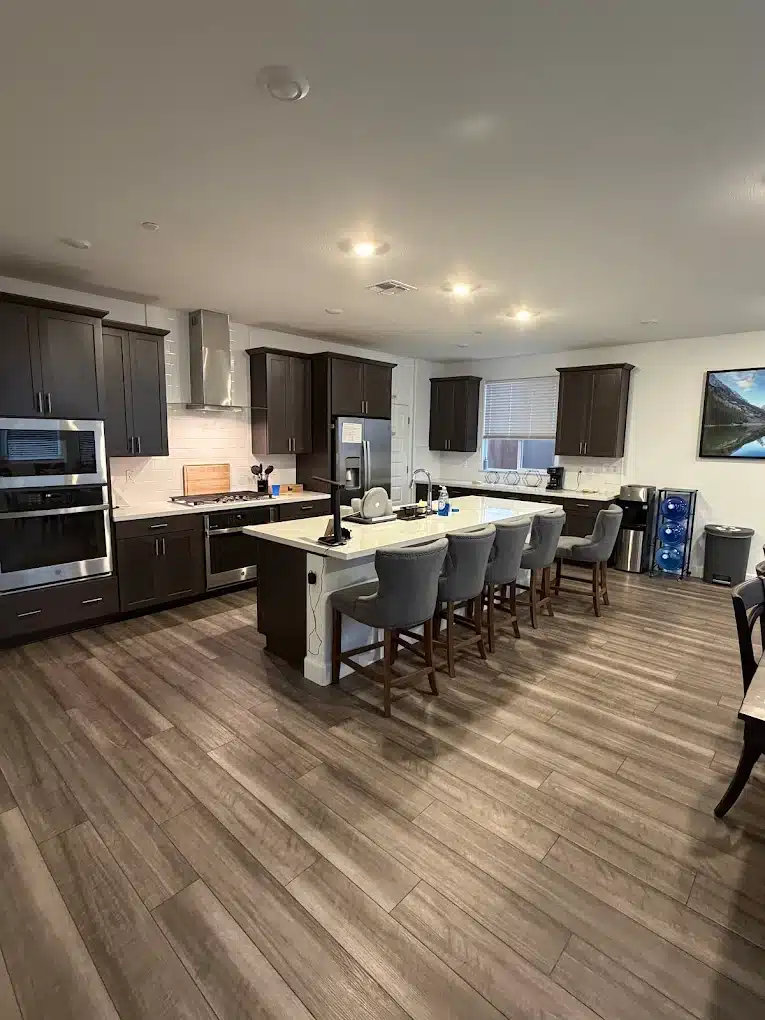
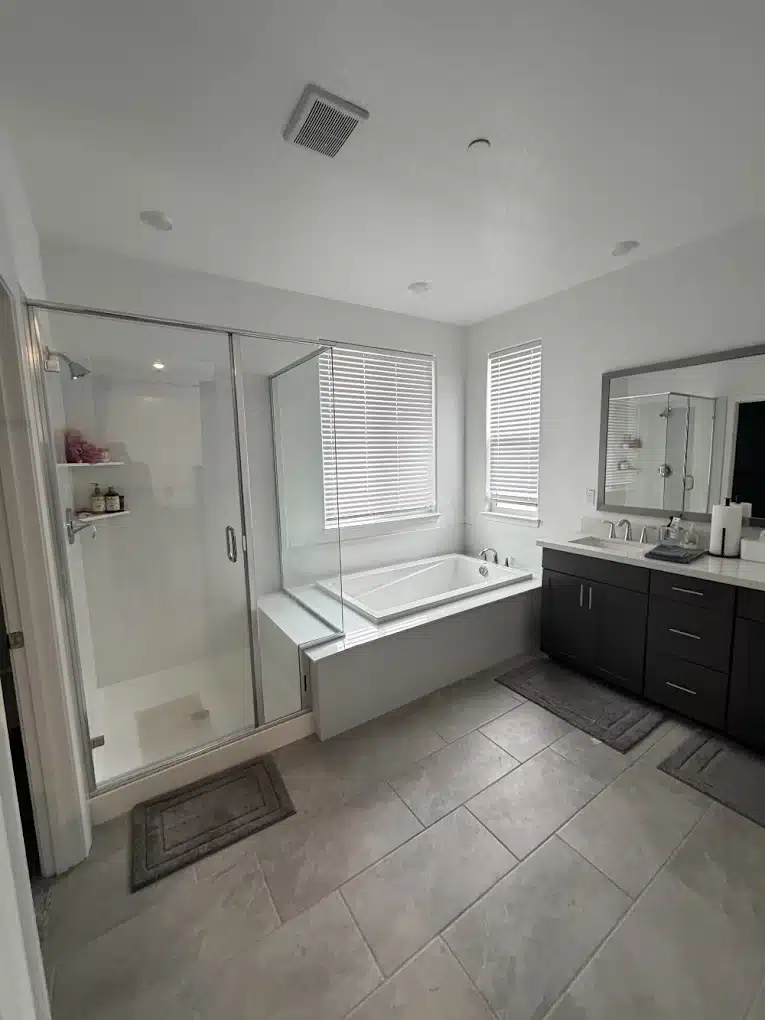
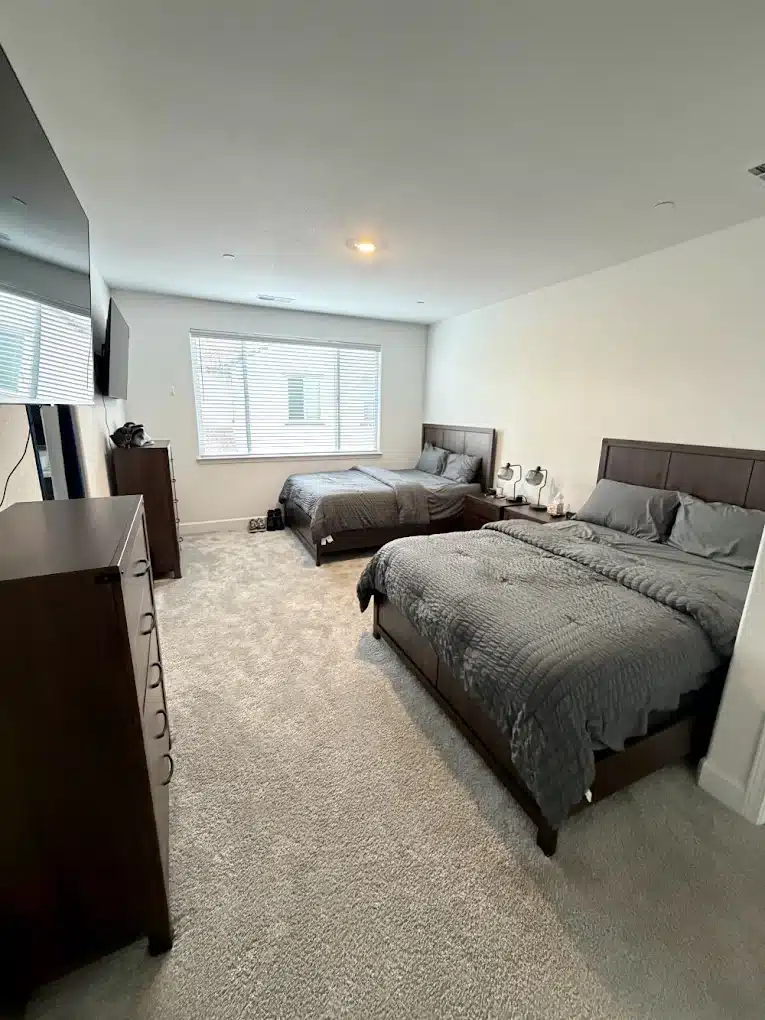
Outpatient CBT gives the person one session per week and seven days to apply skills alone. For severe presentations — major depression with functional collapse, severe OCD or anxiety, treatment-resistant cases — that ratio is often insufficient. Residential CBT provides daily sessions, real-time skill practice integrated into the daily environment, group programming that reinforces the individual work, and clinical support during the hardest moments of behavioral experiments and exposures.
Does CBT work for OCD?
Yes — but the OCD-specific form of CBT is Exposure and Response Prevention (ERP). General CBT discussing the obsessions does not interrupt the OCD cycle. ERP applies CBT principles specifically to the obsession-compulsion pattern, with structured exposure to feared content and active prevention of the compulsive response. ERP is the gold-standard evidence-based treatment for OCD.
Can CBT be combined with medication?
Yes — and for severe presentations, the combination outperforms either treatment alone. For severe major depression, severe OCD, severe anxiety disorders, and bipolar disorder, evidence-based practice routinely combines CBT with appropriate medication. Our medical director leads the medication strategy alongside the CBT work.
How do I discuss coverage and payment for residential treatment?
Coverage for residential mental health care varies significantly by situation. The clearest first step is a brief conversation with our admissions team — they can walk through coverage and payment options specific to your circumstances. Call (916) 527-9606 to discuss.