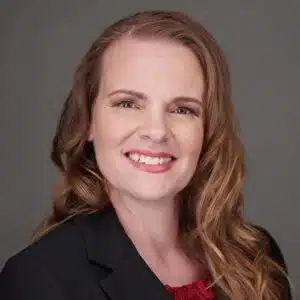
Dr. Bonnie Mitchell is a behavioral health leader, clinician, and advocate dedicated to expanding access to compassionate, evidence-based mental health and substance use treatment. She earned her Doctor of Behavioral Health degree from Arizona State University in 2018, holds a Master’s degree in Clinical Counseling for Mental Health, and a Bachelor’s degree in Psychology. She is a Licensed Professional Clinical Counselor in California.
Throughout her career, Dr. Mitchell has served in executive and clinical leadership roles including Executive Director, Regional Clinical Director, and C-suite behavioral health executive. She has led integrated, multidisciplinary teams delivering mental health, substance use, physical health, and crisis response services to diverse populations across the lifespan. Her experience includes overseeing Medication-Assisted Treatment (MAT) programs and managing Assertive Community Treatment (ACT) teams that serve individuals living with severe and persistent mental illness and complex behavioral health conditions.
Dr. Mitchell is deeply committed to improving population health through prevention, early intervention, and accessible care. Her work centers on individuals experiencing substance use disorders and co-occurring mental health conditions, with a strong focus on trauma-informed and evidence-based approaches. She believes that healing one individual creates a ripple effect — strengthening families, reducing stigma, and building healthier communities.
Beyond her clinical leadership, Dr. Mitchell actively contributes to public mental health education. She has been featured in national podcasts and media outlets discussing dopamine addiction, stress physiology, parasympathetic nervous system regulation, workplace mental health, and emerging behavioral health concerns. She is passionate about translating complex behavioral science into practical tools that empower individuals and families.
Dr. Mitchell also volunteers with initiatives supporting youth transitioning out of the foster care system, reflecting her dedication to vulnerable and underserved populations. Her work is grounded in the belief that no one should have to struggle silently - and that community-based, stigma-free support can transform lives.